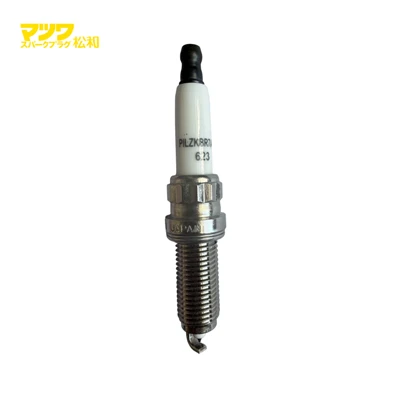
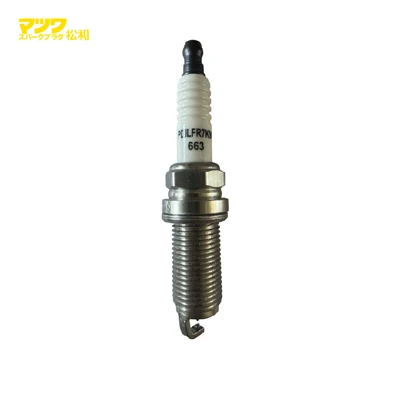
The spark plug is a simple yet crucial component in a car engine. Its task is simple yet crucial: to generate precise electric sparks, ignite the mixture of air and fuel, and thereby produce the power to drive the car. Although replacing spark plugs is a routine maintenance item, the installation process requires precision and care. Incorrect installation can trigger a series of domino-like problems, ranging from minor malfunctions to catastrophic and costly engine damage. The Songhe spark plug inquiry platform and product packaging will provide detailed installation torque guidance.
The following is a detailed description of common installation errors and their consequences.
1.The danger of over-tightening
The instinct of "making sure to tighten" may come at a high cost. Over-tightening the spark plug is one of the most common and destructive mistakes.
Thread sliding: The cylinder heads of most modern cars are made of aluminum, which is softer than the steel used for spark plugs. Applying excessive torque can easily cause the threads to slip. Thread slippage means that the spark plug can no longer be properly fixed, leading to leakage and requiring complex and expensive repairs, such as embedding a thread sleeve, or even replacing the entire cylinder head.
Insulator rupture: The ceramic insulator surrounding the central electrode is very brittle. Over-tightening can cause it to break, and such breaks are usually hard to detect with the naked eye. A broken insulator can cause a short circuit in the spark plug or the spark to jump along the wrong path, resulting in a persistent flame loss.
Damaging the spark plug base: This will distort the metal gasket of the spark plug (or the conical surface of the non-gasket type spark plug), preventing it from forming an effective seal with the combustion chamber.
2. The risk of insufficient tightening (too loose)
Spark plugs that are not fully tightened or become loose over time can also cause problems.
Leakage of combustion gas: The main function of the spark plug's tight seal is to withstand the huge pressure generated by combustion. Loose spark plugs can cause extremely high-temperature gas to leak through the thread gap. You usually hear a distinct "tick-tock" or "puff puff" sound coming from the engine compartment - this is precisely the sound of high-pressure gas leakage.
Overheating and pre-ignition: The design purpose of the spark plug is to transfer the heat from the combustion chamber to the cylinder head and dissipate it through the cooling system. Loose spark plugs have poor heat transfer effect, causing the spark plugs themselves to overheat. This may cause pre-ignition, that is, the mixture ignites due to the overheated tip of the spark plug before a normal spark occurs. Pre-ignition can generate extreme and uncontrolled pressure inside the cylinder, thereby impacting and damaging the piston, piston rings and valves.
Thread damage: The leaked high-temperature gas acts like a small blowtorch, eroding and damaging the threads in the cylinder head, leading to repair consequences as expensive as over-tightening.


3. The gap is incorrect
The distance between the central electrode and the side electrode - that is, the "gap" - is precisely calibrated by the manufacturer to achieve the best combustion. It is taking a risk to install spark plugs directly without verifying the gap.
Too wide a gap: Sparks may have difficulty "jumping over" such a wide gap, resulting in weak or complete missing sparks, especially under load conditions (such as during acceleration). This will lead to unstable idling, power loss and contamination of the catalytic converter by unburned fuel.
Too narrow gap: A gap that is too small may produce a faint spark, which may prevent the mixture from being ignited effectively. This will also cause underfire, reduced power and poor fuel economy.
4. Cross thread
This occurs when the spark plug is not screwed straight into the thread of the cylinder head. Forcing it in will immediately damage the thread. Cross-threading almost always means an expensive thread repair. The key is to always screw in the spark plug by hand first, using only a socket extension instead of a ratchet wrench to ensure it is screwed in smoothly and correctly.
5. Contamination and improper operation
Dropping the spark plug: If the spark plug drops, it is very likely to cause the precise ceramic insulator inside to break. It may look intact, but it will fail prematurely. It's best to replace the spark plugs that have fallen off.
Dirt and debris: During installation, allowing any dirt, grease or small debris to fall into the spark plug holes can have disastrous consequences. If they enter the combustion chamber, they may scratch the cylinder wall or damage the piston and valves.
The importance of correct installation
The consequences of incorrect installation are serious, but they can also be prevented. The solution is very simple:
Use a torque wrench: This is the most important tool for performing this task. Be sure to consult your vehicle maintenance manual or the specification sheet of the spark plug manufacturer to obtain the correct torque value. Don't guess.
Check the clearance: Even for spark plugs with "preset clearance", they should be verified with a feeler gauge and carefully adjusted when necessary.
Clean the installation area: Before removing the old spark plugs, clean the spark plug holes with compressed air.
Manual screwing in: Always screw in the new spark plug by hand first to prevent cross-threading.
Conclusion
Installing a spark plug incorrectly is a minor mistake, but it can come at a very high cost. From a simple misfire to engine failure, the risk far exceeds the extra minutes spent on correct installation. Songhe Spark Plug reminds you that only by using the right tools, following the specifications and adopting a careful and methodical approach can you ensure that your engine runs smoothly and efficiently for thousands of kilometers in the future.