Can a spark plug affect the transmission in an automotive? This is a question that often arises among automotive enthusiasts and professionals alike. As a trusted supplier of spark plugs for various automotive applications, I am well - versed in the intricacies of these small yet crucial components and their impact on a vehicle's overall performance. In this blog, we will delve into the relationship between spark plugs and the transmission system to determine if and how a spark plug can have an effect.
The Role of Spark Plugs in an Engine
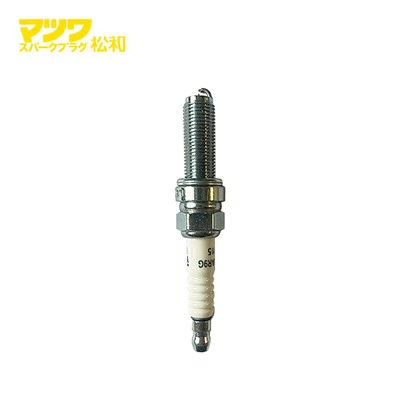
Before we explore the potential connection with the transmission, it is essential to understand the fundamental role of spark plugs in an automotive engine. Spark plugs are responsible for igniting the air - fuel mixture within the combustion chamber. When the piston compresses the air - fuel mixture, the spark plug generates a high - voltage spark at the right moment, causing the mixture to combust. This combustion releases energy that drives the piston down, which in turn rotates the crankshaft and powers the vehicle.


A properly functioning spark plug ensures efficient combustion, which is vital for optimal engine performance. It affects factors such as power output, fuel efficiency, and emissions. If a spark plug is faulty, it can lead to incomplete combustion, misfires, and a range of other issues.
How Engine Performance Influences the Transmission
The transmission system in a vehicle is designed to transfer the power generated by the engine to the wheels at the appropriate speed and torque. It consists of various components such as gears, clutches, and a torque converter (in automatic transmissions). The smooth operation of the transmission depends on a consistent and predictable power supply from the engine.
When the engine is running smoothly, the power delivery to the transmission is stable. However, if the engine experiences problems due to faulty spark plugs, it can disrupt this power delivery. For example, misfires caused by worn - out or malfunctioning spark plugs can result in sudden drops in power. These power fluctuations can put additional stress on the transmission components.
In an automatic transmission, the torque converter is responsible for transferring power from the engine to the transmission. A misfiring engine can cause the torque converter to work harder as it tries to compensate for the inconsistent power. Over time, this increased stress can lead to premature wear and tear on the torque converter, clutch plates, and other transmission parts.
Symptoms of Spark Plug Issues Affecting the Transmission
There are several symptoms that may indicate that spark plug problems are affecting the transmission:
- Erratic Shifting: If you notice that your vehicle is shifting gears erratically, such as shifting too early or too late, it could be a sign of engine performance issues caused by spark plugs. The transmission control module relies on input from the engine sensors to determine the appropriate shift points. Misfires can disrupt these signals, leading to improper shifting.
- Slipping Gears: A slipping transmission occurs when the gears do not engage properly, causing a loss of power to the wheels. Faulty spark plugs can contribute to this problem by creating inconsistent power delivery. The transmission may not be able to hold the gears firmly due to the fluctuating power from the engine.
- Rough Idling and Vibration: Misfiring spark plugs can cause the engine to idle roughly and vibrate. This vibration can be felt throughout the vehicle, including in the transmission. Over time, the constant vibration can loosen or damage transmission components.
The Importance of Regular Spark Plug Maintenance
To prevent spark plug issues from affecting the transmission, it is crucial to perform regular maintenance on the spark plugs. Most vehicle manufacturers recommend replacing spark plugs every 30,000 to 100,000 miles, depending on the type of spark plug and the vehicle's make and model.
Regularly inspecting the spark plugs can also help identify potential problems early. Signs of a faulty spark plug include excessive carbon buildup, worn electrodes, and cracked insulators. If you notice any of these signs, it is advisable to replace the spark plugs immediately.
Our Spark Plug Offerings
As a leading supplier of automotive spark plugs, we offer a wide range of high - quality products to meet the needs of different vehicles. Whether you own a Hyundai, Audi, or Buick, we have the right spark plug for you.
For Hyundai owners, we recommend our Spark Plug For Hyundai. These spark plugs are designed to provide reliable ignition and optimal performance for Hyundai engines.
If you have an Audi, our NGK ITEM FOR Audi is a great choice. NGK is a well - known brand in the automotive industry, and our NGK items for Audi are engineered to meet the high standards of these luxury vehicles.
For Buick vehicles, our NGK ITEM FOR Buick offers excellent ignition performance and durability. These spark plugs are designed to ensure smooth engine operation and help prevent transmission - related issues caused by spark plug problems.
Conclusion
In conclusion, while spark plugs may seem like small and insignificant components, they can have a significant impact on the transmission system in an automotive vehicle. Faulty spark plugs can disrupt the engine's performance, leading to power fluctuations that put additional stress on the transmission. By understanding the relationship between spark plugs and the transmission and performing regular spark plug maintenance, you can ensure the smooth operation of your vehicle and prevent costly transmission repairs.
If you are in the market for high - quality spark plugs for your automotive needs, we invite you to contact us for a procurement discussion. Our team of experts is ready to assist you in finding the right spark plugs for your vehicle and providing you with the best possible service.
References
- "Automotive Engine Design" by Richard Stone and Jeffrey Crolla.
- "Transmission Systems for Vehicles" by Hans - Joachim Weiss.
- Various automotive service manuals and technical bulletins from vehicle manufacturers.