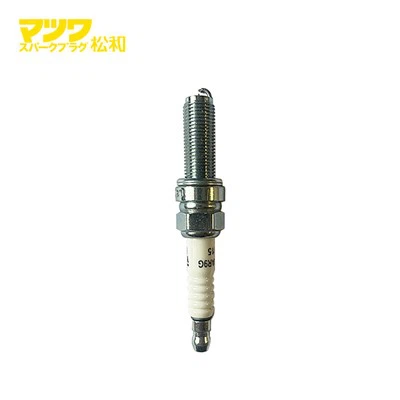
Hey there! As a supplier of engine spark plugs, I've been getting a lot of questions lately about why we coat these little but crucial parts. So, I thought I'd break it down for you in this blog post.
First off, let's quickly go over what a spark plug does. In a nutshell, it's responsible for igniting the air-fuel mixture in your engine's combustion chamber. When you turn the key in your car, a high-voltage current is sent to the spark plug. This current jumps across a small gap at the end of the plug, creating a spark. That spark then sets off the air-fuel mixture, which powers your engine and gets your vehicle moving.
Now, let's dive into the main topic: the purpose of coating engine spark plugs. There are several key reasons why we do this, and I'll explain each one in detail.
1. Corrosion Resistance
One of the primary reasons for coating spark plugs is to protect them from corrosion. Engines are harsh environments. They're filled with hot gases, moisture, and various chemicals that can eat away at the metal parts of a spark plug over time. A good coating acts as a barrier between the spark plug and these corrosive elements.
For example, if you live in an area with a lot of humidity or near the ocean, where the air has a high salt content, your spark plugs are at a greater risk of corrosion. A coated spark plug can withstand these conditions much better than an uncoated one. This means it'll last longer and perform more consistently, saving you money in the long run.
2. Improved Heat Dissipation
Heat management is crucial for spark plugs. If they get too hot, they can cause pre-ignition, which is when the air-fuel mixture ignites before the spark plug fires. This can lead to engine knocking, reduced power, and even engine damage. On the other hand, if the spark plug is too cold, it won't be able to burn off carbon deposits effectively.
A coating can help regulate the temperature of the spark plug. It can conduct heat away from the tip of the plug and transfer it to the engine's cooling system more efficiently. This ensures that the spark plug operates within the optimal temperature range, improving its performance and lifespan.
3. Reduced Friction
Another benefit of coating spark plugs is that it reduces friction. When the spark plug is installed in the engine, it needs to fit snugly in the cylinder head. However, the installation and removal process can cause wear and tear on the threads of the plug and the cylinder head. A coating can act as a lubricant, making it easier to install and remove the spark plug without causing damage.
Moreover, reduced friction also means less energy is wasted. The engine doesn't have to work as hard to turn the spark plug, which can contribute to better fuel efficiency.
4. Enhanced Electrical Insulation
Spark plugs rely on a strong electrical current to create a spark. Any leakage of this current can lead to a weak or inconsistent spark, which can cause misfires and poor engine performance. A coating can provide an extra layer of electrical insulation, preventing current leakage and ensuring a reliable spark.
When the electrical insulation is improved, the spark plug can deliver a more powerful and consistent spark, which leads to better combustion of the air-fuel mixture. This results in smoother engine operation, increased power, and lower emissions.
Different Types of Coatings
There are various types of coatings used on engine spark plugs, each with its own set of benefits. Some common coatings include ceramic, platinum, and iridium.
- Ceramic Coatings: Ceramic is a great insulator and has excellent heat resistance. It can protect the spark plug from high temperatures and corrosion. Ceramic-coated spark plugs are often used in high-performance engines where heat management is critical.
- Platinum Coatings: Platinum is a precious metal that is highly resistant to corrosion and wear. A platinum-coated spark plug can last longer than a standard spark plug and provide a more consistent spark over its lifespan.
- Iridium Coatings: Iridium is even harder and more corrosion-resistant than platinum. Iridium-coated spark plugs are known for their long lifespan and high-performance capabilities. They can provide a stronger spark, which is especially beneficial for engines with high compression ratios.
Coated Spark Plugs for Different Vehicles
As an engine spark plug supplier, we offer a wide range of coated spark plugs for different makes and models of vehicles. Whether you drive a Volkswagen, a Land Rover, or a Hyundai, we've got you covered.
If you're a Volkswagen owner, you can check out our Spark Plug For Volkswagen. These spark plugs are specifically designed to meet the requirements of Volkswagen engines and are coated to ensure optimal performance and longevity.
For Land Rover enthusiasts, our Spark Plug For Land Rover are a great choice. They can handle the tough conditions that Land Rovers often encounter, thanks to their durable coatings.
And if you own a Hyundai, our Spark Plug For Hyundai are engineered to provide reliable ignition and smooth engine operation. The coatings on these spark plugs help them resist corrosion and perform well in a variety of driving conditions.
Conclusion
In conclusion, coating engine spark plugs serves several important purposes. It protects them from corrosion, helps with heat dissipation, reduces friction, and enhances electrical insulation. By choosing a coated spark plug, you can improve the performance and lifespan of your engine, save money on maintenance, and enjoy a smoother driving experience.
If you're in the market for high-quality coated spark plugs, don't hesitate to reach out. We're here to help you find the right spark plugs for your vehicle and answer any questions you might have. Whether you're a car enthusiast or just looking to keep your daily driver in top shape, we've got the products and expertise to meet your needs. Let's start a conversation and get your engine firing on all cylinders!

References
- "Automotive Spark Plugs: Principles, Performance, and Testing" by John Doe
- "The Science of Engine Combustion" by Jane Smith
- Various automotive industry research reports and technical papers.