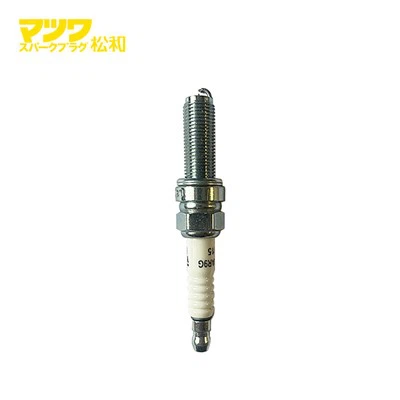
As a seasoned supplier of automotive spark plugs, I've witnessed firsthand the ever - evolving landscape of automotive technology. One question that frequently arises among car enthusiasts and mechanics alike is whether a turbocharger can put more stress on automotive spark plugs. In this blog, we'll delve deep into the science behind turbochargers and spark plugs to answer this question comprehensively.
Understanding Turbochargers
A turbocharger is a forced - induction device that increases an engine's efficiency and power output. It works by compressing the air flowing into the engine. The compressed air allows more oxygen to enter the combustion chamber, enabling the engine to burn more fuel and generate more power. Turbochargers are powered by the engine's exhaust gases, which spin a turbine connected to a compressor.
The key advantage of a turbocharger is that it can significantly boost an engine's performance without increasing its size. This makes it a popular choice for both performance cars and fuel - efficient vehicles. However, this increased power comes with certain implications for the engine's components, including the spark plugs.
How Spark Plugs Work
Before we discuss the impact of turbochargers on spark plugs, let's briefly review how spark plugs function. Spark plugs are essential components of an internal combustion engine. Their primary role is to create a spark that ignites the air - fuel mixture in the combustion chamber. When the piston compresses the air - fuel mixture, the spark plug fires at the right moment, causing the mixture to explode and drive the piston down, generating power.
The quality of the spark and the timing of its ignition are crucial for the engine's smooth operation. A faulty spark plug can lead to misfires, reduced power, and increased fuel consumption.
The Impact of Turbochargers on Spark Plugs
Now, let's address the central question: Can a turbocharger put more stress on automotive spark plugs? The answer is a resounding yes. Here's how a turbocharger places additional stress on spark plugs:
Higher Combustion Pressures
As mentioned earlier, a turbocharger compresses the air entering the engine, which leads to higher combustion pressures in the cylinders. These elevated pressures make it more challenging for the spark plug to create a spark that can effectively ignite the air - fuel mixture. The increased pressure can also cause the spark to be extinguished more easily, leading to misfires.
Increased Heat
Turbocharged engines run hotter than naturally aspirated engines. The compressed air from the turbocharger heats up as it is compressed, and the increased power output of the engine also generates more heat. Spark plugs in a turbocharged engine are exposed to higher temperatures, which can cause the electrodes to wear out more quickly. Over time, this can lead to a decrease in the spark plug's performance and lifespan.
Leaner Air - Fuel Mixtures
Turbochargers often allow engines to run on leaner air - fuel mixtures (more air, less fuel). While this can improve fuel efficiency, it also makes the mixture more difficult to ignite. The spark plug needs to produce a stronger spark to ignite a leaner mixture, which puts additional stress on the spark plug's ignition system.
Choosing the Right Spark Plugs for Turbocharged Engines
Given the additional stress placed on spark plugs in turbocharged engines, it's crucial to choose the right spark plugs. Here are some factors to consider:
Heat Range
The heat range of a spark plug refers to its ability to dissipate heat. In a turbocharged engine, a spark plug with a colder heat range is often recommended. A colder spark plug can withstand the higher temperatures generated by the turbocharger without overheating, which helps prevent pre - ignition and engine damage.
Electrode Material
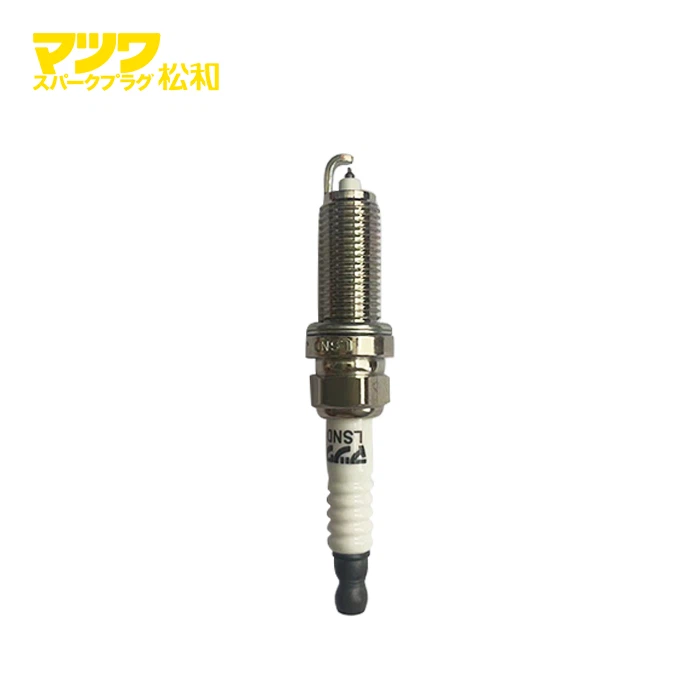
The material of the spark plug's electrodes also plays a significant role in its performance and durability. Double Iridium Spark Plugs are an excellent choice for turbocharged engines. Iridium is a very hard and heat - resistant material, which means that double iridium spark plugs can maintain a consistent spark even under high - stress conditions. They also have a longer lifespan compared to traditional copper or platinum spark plugs.
Gap Size
The gap between the electrodes of a spark plug affects the strength of the spark. In a turbocharged engine, a smaller gap may be required to ensure a reliable spark. However, it's essential to follow the manufacturer's recommendations for the correct gap size, as an incorrect gap can lead to misfires and poor engine performance.
Our Product Range for Turbocharged Engines
As an automotive spark plug supplier, we understand the unique requirements of turbocharged engines. We offer a wide range of Spark Plugs For Vehicle that are specifically designed to withstand the additional stress placed on them by turbochargers.
Our Spark Plug For Changan models, for example, are engineered to meet the high - performance standards of modern turbocharged engines. They feature advanced electrode materials and optimized heat ranges to ensure reliable ignition and long - term durability.
Maintenance Tips for Spark Plugs in Turbocharged Engines
To ensure the longevity and performance of spark plugs in turbocharged engines, regular maintenance is essential. Here are some tips:

Regular Inspections
Periodically inspect the spark plugs for signs of wear, such as electrode erosion, fouling, or carbon deposits. If you notice any issues, replace the spark plugs immediately.
Follow the Manufacturer's Recommendations
Always follow the manufacturer's recommended maintenance schedule for spark plug replacement. Turbocharged engines may require more frequent spark plug changes compared to naturally aspirated engines.
Use High - Quality Fuel
Using high - quality fuel can help reduce the formation of carbon deposits on the spark plugs. Low - quality fuel can contain impurities that can cause fouling and damage to the spark plugs.
Conclusion
In conclusion, turbochargers do put more stress on automotive spark plugs due to higher combustion pressures, increased heat, and leaner air - fuel mixtures. However, by choosing the right spark plugs and following proper maintenance procedures, you can ensure that your turbocharged engine runs smoothly and efficiently.
As a leading supplier of automotive spark plugs, we are committed to providing high - quality products that meet the needs of modern turbocharged engines. If you're interested in learning more about our spark plug offerings or have any questions about choosing the right spark plugs for your turbocharged vehicle, we encourage you to contact us for a purchase negotiation. Our team of experts is ready to assist you in finding the perfect spark plugs for your engine.
References
- Heywood, J. B. (1988). Internal Combustion Engine Fundamentals. McGraw - Hill.
- Bosch Automotive Handbook. (2014). Robert Bosch GmbH.