Can incorrect torque damage motorcycle spark plugs?
As a seasoned supplier of motorcycle spark plugs, I've witnessed firsthand the critical role that these small yet mighty components play in the performance of motorcycles. One question that frequently arises among motorcycle enthusiasts and mechanics alike is whether incorrect torque can damage motorcycle spark plugs. In this blog post, I'll delve into this topic, exploring the science behind torque, the potential consequences of improper torque, and how to ensure your spark plugs are installed correctly.
Understanding Torque
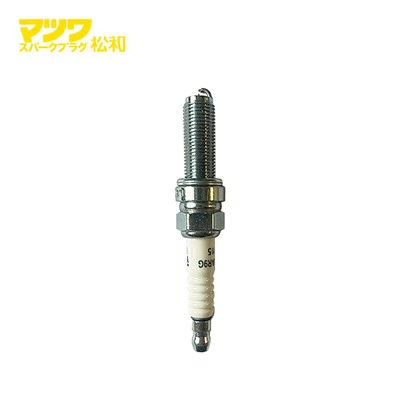
Torque is a measure of the rotational force applied to an object. In the context of motorcycle spark plugs, torque refers to the amount of force used to tighten the spark plug into the engine's cylinder head. This force is crucial because it ensures a proper seal between the spark plug and the cylinder head, preventing combustion gases from leaking out and maintaining optimal engine performance.
The recommended torque for a motorcycle spark plug varies depending on several factors, including the type of spark plug, the engine design, and the manufacturer's specifications. Generally, the torque specifications can range from 10 to 30 foot-pounds (ft-lbs). It's essential to consult your motorcycle's owner's manual or the spark plug manufacturer's guidelines to determine the correct torque for your specific model.
The Dangers of Over-Torquing
Over-torquing occurs when too much force is applied when tightening the spark plug. This can lead to several problems, including:
- Thread Damage: Excessive torque can strip the threads in the cylinder head or on the spark plug itself. This damage can make it difficult or impossible to remove the spark plug in the future and may require expensive repairs to the cylinder head.
- Cracked Insulator: The ceramic insulator on the spark plug can crack under excessive pressure. A cracked insulator can cause misfires, reduced engine performance, and even engine damage if left unaddressed.
- Seal Failure: Over-tightening can distort the gasket or sealing surface, leading to a poor seal between the spark plug and the cylinder head. This can result in combustion gases leaking out, which can cause a loss of power, increased fuel consumption, and potential damage to other engine components.
The Risks of Under-Torquing
On the other hand, under-torquing means not applying enough force to tighten the spark plug properly. This can also have negative consequences, such as:
- Loose Spark Plug: An under-torqued spark plug can become loose over time due to engine vibrations. A loose spark plug can cause misfires, poor engine performance, and even damage to the cylinder head if it falls out completely.
- Combustion Gas Leakage: A loose spark plug allows combustion gases to escape, which can lead to a loss of power, increased fuel consumption, and potential damage to the engine's valves and pistons.
- Pre-ignition and Detonation: Combustion gas leakage can also cause pre-ignition and detonation, which are abnormal combustion events that can damage the engine and reduce its lifespan.
How to Ensure Proper Torque
To prevent the damage caused by incorrect torque, it's crucial to follow these steps when installing motorcycle spark plugs:
- Use a Torque Wrench: A torque wrench is a specialized tool that allows you to apply a specific amount of torque to the spark plug. This ensures that the spark plug is tightened to the correct specification.
- Clean the Threads: Before installing the spark plug, make sure the threads in the cylinder head and on the spark plug are clean and free of debris. This helps to ensure a proper fit and prevents damage to the threads.
- Apply Anti-Seize Compound (Optional): In some cases, applying a small amount of anti-seize compound to the spark plug threads can help prevent corrosion and make it easier to remove the spark plug in the future. However, it's important to use anti-seize compound sparingly, as too much can affect the torque specifications.
- Tighten the Spark Plug Gradually: Start by hand-tightening the spark plug until it is snug. Then, use the torque wrench to apply the recommended torque in a gradual and even manner. Avoid using sudden or excessive force.
Our Product Range
At our company, we offer a wide range of high-quality motorcycle spark plugs to meet the needs of every rider. Whether you're looking for Spark Plugs For YZ 125, Iridium Motorcycle Spark Plugs, or 140cc Pit Bike Spark Plug, we have the perfect solution for you. Our spark plugs are designed to provide reliable performance, excellent ignition, and long-lasting durability.
Contact Us for Purchase and Consultation
If you're interested in purchasing motorcycle spark plugs or have any questions about torque specifications or installation, please don't hesitate to contact us. Our team of experts is always ready to assist you and provide you with the best advice and products for your motorcycle. We look forward to hearing from you and helping you keep your motorcycle running smoothly.


References
- Motorcycle Owner's Manuals
- Spark Plug Manufacturer's Guidelines
- Automotive Repair and Maintenance Textbooks