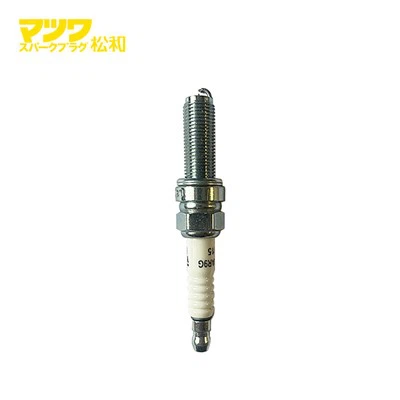
Over - tightening truck spark plugs is a common mistake that many vehicle owners and mechanics can make. As a supplier of high - quality Truck Spark Plugs, I've witnessed firsthand the problems that can arise from this seemingly minor error. In this blog post, we'll explore the science behind spark plugs, the issues that over - tightening can cause, and how to ensure proper installation.
The Role of Spark Plugs in Trucks
Before delving into the problems of over - tightening, it's crucial to understand the function of spark plugs. Spark plugs are essentially electrical devices that create a spark in the combustion chamber of an internal combustion engine. In trucks, which often have larger and more powerful engines than regular cars, spark plugs play a vital role in igniting the air - fuel mixture. This ignition process is what powers the engine and allows the truck to move forward.
The spark plug is designed to fit precisely into the engine's cylinder head. A proper fit ensures that the spark is generated at the right time and in the right place, optimizing the combustion process. This leads to better fuel efficiency, smoother engine operation, and reduced emissions.
The Dangers of Over - Tightening
Over - tightening a spark plug means applying excessive torque when screwing it into the engine's cylinder head. While it might seem like tightening the spark plug more securely would improve its performance, the opposite is often true. Here are some of the problems that can occur:
1. Cylinder Head Damage
The cylinder head is a critical component of the engine, and it's made of a relatively soft metal compared to the spark plug. When a spark plug is over - tightened, the excessive pressure can cause the threads in the cylinder head to strip. Stripped threads mean that the spark plug can no longer be held in place properly, leading to a loss of compression in the combustion chamber. This loss of compression can result in reduced engine power, misfires, and increased fuel consumption.


2. Spark Plug Breakage
Spark plugs are made of a combination of ceramic and metal materials. Over - tightening can put too much stress on the ceramic part of the spark plug, causing it to crack. A cracked spark plug can lead to a variety of problems. For example, it can cause the spark to leak, which means that the air - fuel mixture may not be ignited properly. This can result in rough idling, poor acceleration, and even engine stalling.
3. Heat Transfer Issues
Proper heat transfer is essential for the efficient operation of a spark plug. Spark plugs are designed to dissipate heat from the combustion chamber to the engine block. When a spark plug is over - tightened, it can disrupt the heat transfer process. This can lead to overheating of the spark plug, which can cause pre - ignition or detonation. Pre - ignition occurs when the air - fuel mixture ignites before the spark plug fires, while detonation is a more violent form of combustion. Both of these issues can cause significant damage to the engine over time.
How to Properly Install Truck Spark Plugs
To avoid the problems associated with over - tightening, it's essential to follow the proper installation procedure. Here are the steps to ensure a correct installation:
1. Read the Manufacturer's Instructions
Every truck model and spark plug type may have specific installation requirements. Always refer to the manufacturer's instructions for the recommended torque settings. These instructions can usually be found in the vehicle's owner's manual or the spark plug packaging.
2. Use a Torque Wrench
A torque wrench is a tool that allows you to apply the exact amount of torque specified by the manufacturer. This ensures that the spark plug is tightened to the correct level without over - or under - tightening. Make sure to set the torque wrench to the recommended value before installing the spark plug.
3. Hand - Start the Spark Plug
Before using the torque wrench, always start the spark plug by hand. This helps to ensure that the spark plug is properly aligned with the threads in the cylinder head. If you try to force the spark plug in using a wrench without hand - starting it, you may cross - thread the spark plug, which can also lead to problems.
Our Range of Truck Spark Plugs
As a supplier of Truck Spark Plugs, we offer a wide range of high - quality products. Our spark plugs are designed to meet the specific needs of different truck engines, ensuring optimal performance and reliability. Whether you're looking for spark plugs for a heavy - duty commercial truck or a light - duty pickup, we have the right solution for you.
In addition to our truck spark plugs, we also supply spark plugs for other vehicle types. For example, if you have a Buick, you can check out our Spark Plug For Buick. And for Toyota owners, our Spark Plug For TOYOTA is a great choice.
Conclusion
Over - tightening truck spark plugs can cause a variety of problems, from cylinder head damage to spark plug breakage and heat transfer issues. As a responsible vehicle owner or mechanic, it's essential to follow the proper installation procedures to ensure the longevity and performance of your engine.
If you're in the market for high - quality truck spark plugs or spark plugs for other vehicles, we're here to help. We pride ourselves on providing top - notch products and excellent customer service. Contact us to discuss your specific needs and start a procurement negotiation. We're confident that we can offer you the best spark plug solutions for your vehicles.
References
- "Automotive Engine Design", by Richard Stone and Jeffrey Crolla.
- Manufacturer's manuals for various truck models.
- Technical documents from spark plug manufacturers.