How do aircraft spark plugs affect the smoothness of engine operation?
As a leading supplier of aircraft spark plugs, I've witnessed firsthand the crucial role these small components play in the smooth operation of aircraft engines. In this blog, I'll delve into the intricate relationship between aircraft spark plugs and engine smoothness, exploring how they work, the factors that influence their performance, and the impact they have on overall flight safety and efficiency.
Understanding the Function of Aircraft Spark Plugs
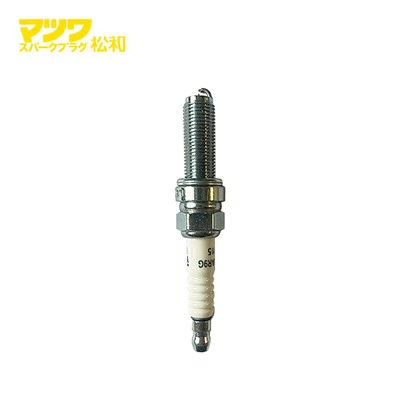
Aircraft spark plugs are essential ignition components in piston engines. Their primary function is to generate a high - energy spark at the precise moment in the engine's combustion cycle. This spark ignites the air - fuel mixture within the engine's cylinders, initiating the combustion process that powers the aircraft.
The process begins when the engine's ignition system sends an electrical current to the spark plug. The high - voltage current jumps across the spark plug's electrode gap, creating a spark. This spark must be strong enough to ignite the compressed air - fuel mixture effectively. If the spark is too weak, the mixture may not ignite completely, leading to incomplete combustion.
Factors Affecting Spark Plug Performance
-
Electrode Design and Material
The design and material of the spark plug electrodes have a significant impact on performance. Platinum and iridium are popular electrode materials due to their high melting points and resistance to wear. Platinum Aircraft Model Spark Plugs Platinum Aircraft Model Spark Plugs are known for their long service life and consistent spark performance. These materials can withstand the high temperatures and pressures within the engine cylinders, ensuring a reliable spark over an extended period. -
Heat Range
The heat range of a spark plug is another critical factor. It refers to the plug's ability to dissipate heat from the tip to the engine's cooling system. A spark plug with the correct heat range is essential for smooth engine operation. If the heat range is too hot, the plug may overheat, causing pre - ignition or detonation. On the other hand, if the heat range is too cold, carbon deposits may accumulate on the plug, leading to misfires. -
Gap Size
The electrode gap size of a spark plug determines the strength of the spark. A proper gap is necessary for efficient ignition of the air - fuel mixture. If the gap is too large, the ignition system may struggle to generate a spark across it, resulting in misfires. Conversely, if the gap is too small, the spark may not be powerful enough to ignite the mixture fully.
Impact of Spark Plug Performance on Engine Smoothness
-
Misfires
Misfires occur when the spark plug fails to ignite the air - fuel mixture in a cylinder. This can lead to a sudden loss of power, rough engine operation, and increased fuel consumption. In an aircraft, misfires can be particularly dangerous, as they can affect the stability and performance of the engine during flight. A single misfire may not cause a catastrophic failure, but repeated misfires can lead to engine damage and compromise flight safety. -
Incomplete Combustion
Incomplete combustion happens when the air - fuel mixture does not burn completely. This can be caused by a weak spark, incorrect air - fuel ratio, or other factors. Incomplete combustion results in reduced engine power, increased emissions, and the formation of carbon deposits in the engine. Over time, these deposits can damage the spark plugs, valves, and other engine components, further affecting engine smoothness. -
Vibration and Roughness
When spark plugs are not functioning properly, the engine may experience increased vibration and roughness. This is because the power output from each cylinder is not consistent. The uneven power delivery causes the engine to vibrate, which can be felt in the cockpit. Excessive vibration can not only be uncomfortable for the pilot and passengers but also lead to premature wear of engine components and other parts of the aircraft.
Maintaining Spark Plugs for Optimal Engine Smoothness
-
Regular Inspections
Regular inspections of spark plugs are essential to ensure their proper functioning. During an inspection, the plugs should be checked for signs of wear, such as electrode erosion, carbon deposits, and cracks. Any damaged or worn - out spark plugs should be replaced immediately. -
Proper Installation
Proper installation of spark plugs is crucial. They should be tightened to the correct torque specification to ensure a good electrical connection and prevent gas leakage. Incorrect installation can lead to misfires, overheating, and other problems. -
Following Manufacturer's Recommendations
It's important to follow the aircraft engine manufacturer's recommendations regarding spark plug type, replacement intervals, and maintenance procedures. Different engines may require specific spark plugs, and using the wrong type can have a negative impact on engine performance.
The Role of Our Spark Plugs in Ensuring Engine Smoothness
As a supplier of aircraft spark plugs, we offer a wide range of high - quality products, including Piston Engine Aircraft Model Spark Plugs Piston Engine Aircraft Model Spark Plugs. Our spark plugs are designed and manufactured to meet the strictest industry standards. We use advanced materials and manufacturing processes to ensure consistent performance and reliability.
Our team of experts can provide technical support and guidance to help aircraft owners and operators choose the right spark plugs for their engines. We understand the importance of engine smoothness in aviation, and we are committed to providing products that enhance safety and performance.
Conclusion
Aircraft spark plugs are vital components that have a direct impact on the smoothness of engine operation. Their performance is influenced by various factors, including electrode design, heat range, and gap size. Proper maintenance and selection of spark plugs are essential to prevent misfires, incomplete combustion, and other issues that can affect engine performance and flight safety.


If you are looking for high - quality aircraft spark plugs to ensure the smooth operation of your aircraft engine, we are here to help. Whether you need Platinum Aircraft Model Spark Plugs or Piston Engine Aircraft Model Spark Plugs, we have the products and expertise to meet your needs. Contact us today to discuss your requirements and start a procurement negotiation.
References
- SAE International. "Aerospace Standards for Spark Plugs."
- FAA Advisory Circulars on Aircraft Engine Maintenance.
- Aircraft Engine Manufacturer's Technical Manuals.