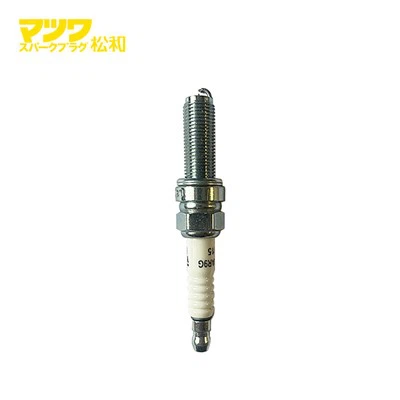
Yo, aviation enthusiasts! As a supplier of aircraft spark plugs, I've seen firsthand how crucial these little components are to an aircraft's ignition system. Today, I'm gonna break down how aircraft spark plugs interact with the ignition system, so you can have a better understanding of what's going on under the hood, or rather, under the cowling.
Let's start with the basics. An aircraft's ignition system is responsible for starting the engine and keeping it running smoothly. It does this by creating a spark at the right time to ignite the air-fuel mixture in the engine's cylinders. And that's where the spark plugs come in.
The Role of Spark Plugs in the Ignition System
Spark plugs are like the matchsticks of the engine. They create the spark that ignites the air-fuel mixture, which then causes a controlled explosion in the cylinder. This explosion pushes the piston down, which in turn rotates the crankshaft and powers the aircraft.
But it's not just about creating a spark. The spark plug also has to do it at the right time and with the right intensity. If the spark is too weak, the air-fuel mixture might not ignite properly, leading to misfires, rough running, and reduced engine performance. On the other hand, if the spark is too strong or occurs at the wrong time, it can cause pre-ignition or detonation, which can damage the engine.
How Spark Plugs Work
So, how do spark plugs actually create that spark? Well, it all starts with the ignition coil. The ignition coil is like a transformer that takes the low-voltage electricity from the battery and steps it up to a high voltage, usually around 20,000 to 50,000 volts. This high-voltage electricity is then sent to the spark plugs through the ignition wires.
When the high-voltage electricity reaches the spark plug, it jumps across a small gap between the center electrode and the ground electrode. This creates a spark, which ignites the air-fuel mixture in the cylinder. The gap between the electrodes is carefully calibrated to ensure that the spark is strong enough to ignite the mixture but not so strong that it causes damage.
Types of Aircraft Spark Plugs
There are several types of aircraft spark plugs available, each with its own unique characteristics and applications. Some of the most common types include:
- Platinum Aircraft Model Spark Plugs: These spark plugs use platinum electrodes, which are more durable and resistant to wear than traditional copper electrodes. Platinum spark plugs can last longer and provide a more consistent spark, which can improve engine performance and fuel efficiency. Check out our Platinum Aircraft Model Spark Plugs for more info.
- Piston Engine Aircraft Model Spark Plugs: These spark plugs are specifically designed for piston engine aircraft. They are built to withstand the high temperatures and pressures of piston engines and provide reliable ignition. If you're looking for spark plugs for your piston engine aircraft, take a look at our Piston Engine Aircraft Model Spark Plugs.
Interaction with the Ignition System
Now that we know how spark plugs work and the different types available, let's talk about how they interact with the rest of the ignition system.
The ignition system is typically divided into two independent circuits: the left and the right magneto. Each magneto is responsible for providing the high-voltage electricity to half of the spark plugs in the engine. This redundancy is important for safety, as it ensures that the engine can continue to run even if one magneto fails.
When the pilot turns the ignition switch on, the magnetos start generating electricity. The electricity is then sent to the distributor, which distributes it to the appropriate spark plugs based on the engine's firing order. The firing order is the sequence in which the cylinders fire, and it's carefully designed to ensure smooth engine operation.
As the engine rotates, the distributor sends the high-voltage electricity to the spark plugs at the right time, causing them to create a spark and ignite the air-fuel mixture in the cylinders. This process repeats over and over again, keeping the engine running.
Maintenance and Replacement
Like any other component in an aircraft, spark plugs require regular maintenance and replacement to ensure optimal performance. Over time, the electrodes on the spark plugs can wear down, the gap between the electrodes can widen, and the insulator can become fouled with carbon deposits. These issues can lead to misfires, rough running, and reduced engine performance.
To prevent these problems, it's important to follow the manufacturer's recommended maintenance schedule for your spark plugs. This typically includes inspecting the spark plugs at regular intervals, cleaning them if necessary, and replacing them when they reach the end of their service life.
Conclusion
So, there you have it! That's how aircraft spark plugs interact with the ignition system. As you can see, these little components play a crucial role in the operation of an aircraft's engine. By understanding how they work and how to maintain them, you can ensure that your engine runs smoothly and reliably.


If you're in the market for aircraft spark plugs, we've got you covered. We offer a wide range of high-quality spark plugs for all types of aircraft, including Platinum Aircraft Model Spark Plugs and Piston Engine Aircraft Model Spark Plugs. If you have any questions or would like to discuss your specific needs, don't hesitate to reach out. We're here to help you keep your aircraft flying safely and efficiently.
References
- FAA Advisory Circular AC 43.13-1B, Acceptable Methods, Techniques, and Practices - Aircraft Inspection and Repair
- Lycoming Operator's Manual, various models
- Continental Motors Service Manual, various models