Biofuels have been gaining traction as a more sustainable alternative to traditional fossil fuels in the automotive industry. As an automotive spark plugs supplier, I've seen firsthand how these alternative fuels can impact the performance and lifespan of spark plugs. In this blog, I'll dive into the nitty - gritty of how biofuels affect automotive spark plugs.
What Are Biofuels?
Before we get into the effects on spark plugs, let's quickly go over what biofuels are. Biofuels are fuels made from renewable biological resources, such as plants, algae, or even animal waste. The most common types of biofuels used in vehicles are ethanol and biodiesel. Ethanol is often blended with gasoline, and you'll usually see it sold as E10 (10% ethanol, 90% gasoline) or E85 (85% ethanol, 15% gasoline). Biodiesel, on the other hand, is used as a substitute or additive for diesel fuel.
How Spark Plugs Work
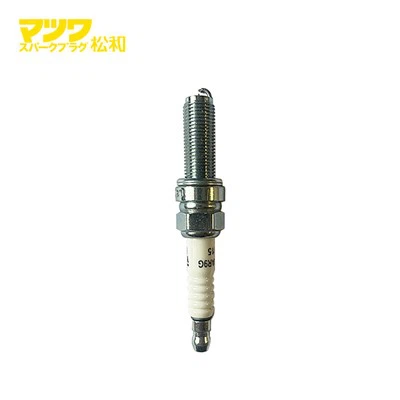
To understand how biofuels affect spark plugs, we first need to know how spark plugs work. A spark plug is a crucial component in an internal combustion engine. Its main job is to create a spark that ignites the air - fuel mixture in the engine's combustion chamber. When the piston compresses the air - fuel mixture, the spark plug fires at the right moment, causing the mixture to burn and release energy that powers the vehicle.
Effects of Ethanol on Spark Plugs
Increased Heat
Ethanol has a higher octane rating than gasoline, which means it can withstand higher compression ratios before igniting. When ethanol is blended with gasoline, the engine can run at a higher compression ratio, which in turn generates more heat. This increased heat can put additional stress on the spark plugs. Over time, the excessive heat can cause the electrodes on the spark plug to wear out faster. For example, if you're using a regular copper spark plug in an engine running on a high - ethanol blend like E85, you might notice that the electrodes start to erode more quickly compared to when using pure gasoline.
Corrosion
Ethanol is hygroscopic, which means it can absorb water from the air. When water is present in the fuel system, it can lead to corrosion. The water - ethanol mixture can corrode the metal components of the spark plug, including the electrodes and the shell. Corrosion can cause the spark plug to misfire or not produce a strong enough spark, leading to poor engine performance. If you're experiencing rough idling or a decrease in fuel efficiency, corrosion on the spark plugs could be the culprit.
Effects of Biodiesel on Spark Plugs
Carbon Deposits
Biodiesel burns differently than traditional diesel fuel. It tends to produce more carbon deposits, especially if the biodiesel blend is not properly refined. These carbon deposits can build up on the spark plugs, insulating the electrodes and preventing them from creating a strong spark. As a result, the engine may experience misfires, reduced power, and increased emissions. For diesel engines using glow plugs (a type of spark plug for diesel engines), carbon deposits can also make it harder for the glow plug to heat up the combustion chamber effectively.


Lubrication
Biodiesel has better lubricating properties compared to petroleum - based diesel. While this is generally good for the engine's moving parts, it can also affect the spark plugs. The lubricating properties of biodiesel can cause the fuel to coat the spark plug electrodes, reducing the spark's intensity. This can lead to incomplete combustion and a decrease in engine efficiency.
Choosing the Right Spark Plugs for Biofuels
Double Platinum Spark Plugs
Double Platinum Spark Plugs are a great option for engines running on biofuels. Platinum is a hard and durable metal that can withstand high temperatures and resist corrosion better than copper. The double - platinum design means that both the center and ground electrodes are made of platinum, which provides a more consistent spark and longer service life. These spark plugs are especially suitable for engines using ethanol blends, as they can handle the increased heat and potential corrosion.
Iridium Spark Plugs
Iridium Spark Plugs are another excellent choice. Iridium is even harder and more heat - resistant than platinum. It has a very fine electrode tip, which allows for a more precise and powerful spark. Iridium spark plugs can perform well in engines running on either ethanol or biodiesel blends. They are less likely to wear out quickly due to the high - heat environment created by biofuels.
Compatibility with Specific Vehicles
If you're driving an Audi, you need to make sure you choose the right spark plugs. Spark Plug For Audi are designed to meet the specific requirements of Audi engines. Audi engines are engineered to be high - performance, and using the wrong spark plugs can lead to a significant decrease in performance, especially when using biofuels. Make sure to choose spark plugs that are specifically recommended for your Audi model and the biofuel blend you're using.
Conclusion
Biofuels have both positive and negative impacts on automotive spark plugs. While they offer a more sustainable alternative to fossil fuels, they can also cause issues such as increased heat, corrosion, carbon deposits, and changes in lubrication. As an automotive spark plugs supplier, I recommend choosing the right type of spark plug for your vehicle and the biofuel blend you're using. Double platinum and iridium spark plugs are great options for engines running on biofuels, and for Audi owners, make sure to use the recommended spark plugs for your specific model.
If you're looking for high - quality spark plugs that can handle the challenges posed by biofuels, we're here to help. Whether you're an individual car owner or a business in the automotive industry, we can provide you with the right spark plugs for your needs. Contact us to start a procurement discussion and find the best spark plug solution for your vehicles.
References
- "Biofuels and Their Impact on Engine Performance" - Journal of Automotive Engineering
- "The Effects of Ethanol and Biodiesel on Spark Plug Performance" - Automotive Research Institute
- "Understanding Spark Plug Technology" - Spark Plug Manufacturers Association