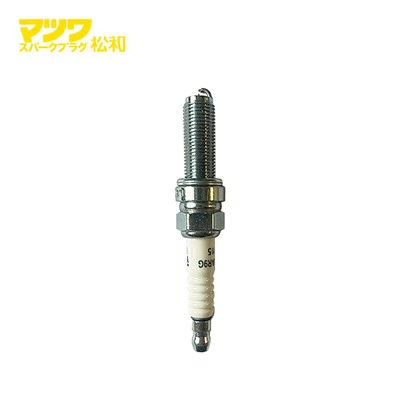
Hey there, fellow aviation enthusiasts! As a supplier of aircraft spark plugs, I've seen firsthand how different materials can have a huge impact on spark plug performance. In this blog post, I'm gonna break down the key materials used in aircraft spark plugs and explain how they affect the overall performance of these crucial components.
Let's start with the basics. An aircraft spark plug is a small but mighty device that plays a vital role in the ignition system of an aircraft engine. It generates an electric spark that ignites the air-fuel mixture in the combustion chamber, which in turn powers the engine. The performance of a spark plug can have a significant impact on engine efficiency, power output, and reliability.
One of the most common materials used in aircraft spark plugs is copper. Copper is an excellent conductor of electricity, which means it can quickly transfer the electrical charge from the ignition system to the spark gap. This results in a strong, consistent spark that can effectively ignite the air-fuel mixture. Copper also has good thermal conductivity, which helps to dissipate heat away from the spark plug tip. This is important because excessive heat can cause the spark plug to overheat and wear out prematurely.
However, copper does have some limitations. It is relatively soft and can erode over time, especially in high-performance engines. This can lead to a decrease in spark plug performance and an increase in the likelihood of misfires. To overcome these limitations, many aircraft spark plugs use copper alloyed with other metals, such as nickel or chromium, to improve its durability and resistance to wear.
Another popular material used in aircraft spark plugs is platinum. Platinum is a precious metal that is known for its high melting point, excellent corrosion resistance, and superior electrical conductivity. These properties make it an ideal material for use in spark plugs, especially in high-performance engines.
Platinum aircraft spark plugs offer several advantages over copper spark plugs. They have a longer lifespan, which means they don't need to be replaced as often. They also provide a more consistent spark, which can improve engine efficiency and power output. Additionally, platinum spark plugs are more resistant to fouling, which can occur when deposits build up on the spark plug tip and interfere with the spark.
If you're interested in learning more about platinum aircraft spark plugs, you can check out our Platinum Aircraft Model Spark Plugs.
In addition to copper and platinum, some aircraft spark plugs also use iridium. Iridium is an even more precious metal than platinum, and it has some of the highest melting points and corrosion resistance of any metal. These properties make it an ideal material for use in high-performance engines, where reliability and durability are critical.
Iridium aircraft spark plugs offer several advantages over platinum spark plugs. They have an even longer lifespan, which means they can last up to four times longer than traditional copper spark plugs. They also provide an even more consistent spark, which can further improve engine efficiency and power output. Additionally, iridium spark plugs are more resistant to fouling and erosion, which can help to extend the life of the engine.
Now, let's talk about the impact of different materials on spark plug performance in specific types of aircraft engines. For piston engine aircraft, the choice of spark plug material can have a significant impact on engine performance and reliability. Piston engines operate at high temperatures and pressures, which can cause the spark plugs to wear out quickly.
Copper spark plugs are a popular choice for piston engine aircraft because they are relatively inexpensive and offer good performance in most applications. However, in high-performance piston engines, copper spark plugs may not be able to withstand the extreme conditions and may need to be replaced more frequently.
Platinum and iridium spark plugs are a better choice for high-performance piston engines because they offer superior durability and performance. They can withstand the high temperatures and pressures of the combustion chamber and provide a more consistent spark, which can improve engine efficiency and power output.
If you're looking for spark plugs for your piston engine aircraft, you can check out our Piston Engine Aircraft Model Spark Plugs.
In addition to the material of the spark plug itself, the design of the spark plug can also have a significant impact on its performance. For example, the shape and size of the spark gap can affect the strength and consistency of the spark. A smaller spark gap can produce a stronger spark, but it can also increase the risk of fouling. A larger spark gap can reduce the risk of fouling, but it may also produce a weaker spark.
The electrode design of the spark plug can also affect its performance. Some spark plugs use a single electrode, while others use multiple electrodes. Multiple electrode spark plugs can provide a more consistent spark and improve engine performance, especially in high-performance engines.
So, how do you choose the right spark plugs for your aircraft? Well, it depends on several factors, including the type of aircraft engine, the operating conditions, and your budget. If you're not sure which spark plugs are right for your aircraft, it's always a good idea to consult with a qualified aviation mechanic or technician.


As an aircraft spark plug supplier, we offer a wide range of spark plugs to meet the needs of different aircraft engines and operating conditions. Whether you're looking for copper, platinum, or iridium spark plugs, we have the products and expertise to help you find the right solution for your aircraft.
If you're interested in learning more about our aircraft spark plugs or have any questions about spark plug performance, please don't hesitate to contact us. We're always happy to help and look forward to discussing your needs and finding the best solution for your aircraft.
In conclusion, the choice of material can have a significant impact on the performance of aircraft spark plugs. Copper, platinum, and iridium are all popular materials used in aircraft spark plugs, each with its own advantages and disadvantages. By understanding the properties of these materials and how they affect spark plug performance, you can make an informed decision when choosing the right spark plugs for your aircraft.
References
- SAE International. "Aircraft Ignition Systems."
- FAA. "Airplane Maintenance Handbook."
- Aircraft Owners and Pilots Association (AOPA). "Aircraft Spark Plugs: What You Need to Know."