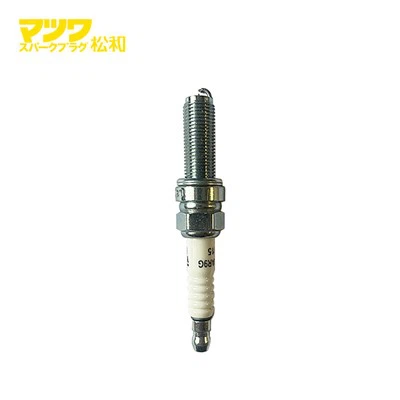
As a supplier of Gasoline Marine Spark Plugs, I often encounter customers who are unsure about how to check the gap of these essential components. In this blog post, I'll share some insights and practical steps on how to perform this crucial maintenance task.
Understanding the Importance of Spark Plug Gap
The gap between the center and ground electrode of a spark plug plays a vital role in the ignition process of a gasoline marine engine. A proper spark plug gap ensures that the spark generated is strong enough to ignite the air - fuel mixture in the combustion chamber efficiently. If the gap is too wide, the spark may not be able to jump across, leading to misfires, reduced power, and poor fuel economy. On the other hand, if the gap is too narrow, the spark may be too weak, also resulting in incomplete combustion and similar performance issues.
Tools Required for Checking the Gap
Before you start checking the gap of your gasoline marine spark plugs, you'll need a few tools. The most common tool for this job is a feeler gauge. A feeler gauge is a set of thin metal strips of different thicknesses, which allows you to measure the distance between two surfaces accurately. You can also use a spark plug gap tool, which is specifically designed for this purpose and often has a built - in adjustment feature.
Step - by - Step Guide to Checking the Gap
Step 1: Remove the Spark Plug
First, make sure the engine is turned off and has cooled down completely. Locate the spark plug wires and carefully remove them from the spark plugs. Use a spark plug socket and a ratchet to loosen and remove the spark plugs from the engine. Be careful not to damage the threads or the electrodes of the spark plugs during this process.
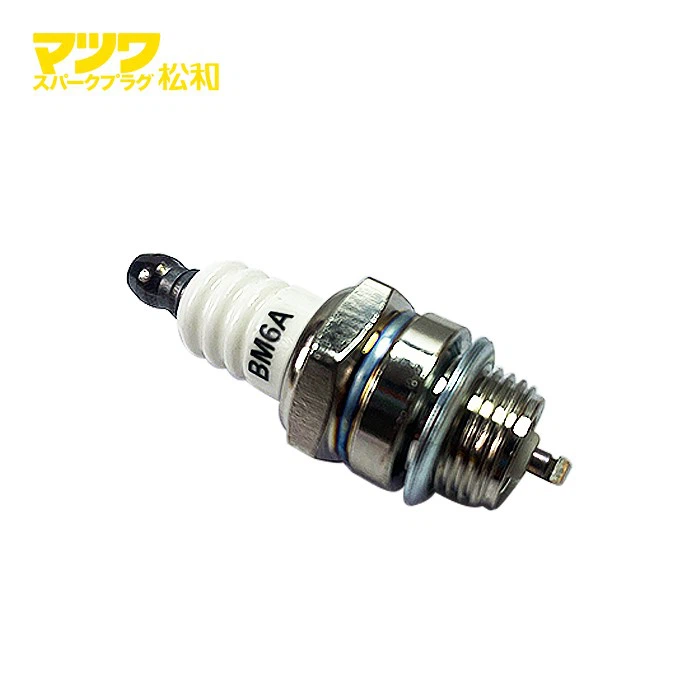

Step 2: Inspect the Spark Plug
Before checking the gap, take a moment to inspect the spark plug for any signs of damage or wear. Look for cracks in the ceramic insulator, worn - out electrodes, or excessive carbon deposits. If you notice any of these issues, it may be time to replace the spark plug. You can find a wide range of high - quality Gasoline Marine Spark Plugs on our website.
Step 3: Measure the Gap
Take your feeler gauge or spark plug gap tool and insert the appropriate thickness strip into the gap between the center and ground electrode of the spark plug. The strip should fit snugly without too much force. If the strip slides in too easily, the gap is too wide. If it doesn't fit at all, the gap is too narrow.
Step 4: Adjust the Gap (if necessary)
If the gap is not within the manufacturer's recommended specifications, you'll need to adjust it. If the gap is too wide, you can use the bent end of a spark plug gap tool to gently bend the ground electrode towards the center electrode. If the gap is too narrow, use the flat part of the tool to carefully pry the ground electrode away from the center electrode. Make small adjustments and re - measure the gap until it meets the specified value.
Step 5: Re - install the Spark Plug
Once you've checked and adjusted the gap, carefully reinstall the spark plug into the engine. Use the spark plug socket and ratchet to tighten the spark plug to the recommended torque. Reconnect the spark plug wires, making sure they are securely attached.
Factors Affecting Spark Plug Gap
Several factors can affect the ideal spark plug gap for a gasoline marine engine. The type of engine, its compression ratio, the ignition system, and the fuel used all play a role in determining the appropriate gap. For example, engines with higher compression ratios generally require a smaller spark plug gap to ensure reliable ignition. It's always a good idea to consult your engine's owner's manual or the spark plug manufacturer's specifications for the correct gap value.
Comparing with Diesel Marine Spark Plugs
It's important to note that Diesel Marine Spark Plugs work differently from gasoline marine spark plugs. Diesel engines rely on compression ignition rather than spark ignition. However, some diesel engines may have glow plugs, which are used to pre - heat the combustion chamber to aid in cold starting. The maintenance and gap - checking procedures for diesel glow plugs are different from those of gasoline spark plugs.
Regular Maintenance and Gap Checking
Regularly checking the gap of your gasoline marine spark plugs is an important part of engine maintenance. It helps to ensure optimal engine performance, fuel efficiency, and reliability. As a general rule, it's recommended to check the spark plug gap every 100 - 200 hours of engine operation or at least once a boating season.
Conclusion
Checking the gap of gasoline marine spark plugs is a relatively simple but crucial maintenance task. By following the steps outlined in this blog post and using the right tools, you can ensure that your spark plugs are in good working condition and your engine runs smoothly. If you have any questions or need further assistance with your gasoline marine spark plugs, don't hesitate to contact us. We are here to provide you with the best products and support for your marine engine needs. Whether you're a professional mariner or a weekend boater, having properly gapped spark plugs can make a significant difference in your boating experience.
If you're interested in purchasing high - quality Gasoline Marine Spark Plugs or have any inquiries about our products, we invite you to reach out to us for a procurement discussion. We look forward to serving you and helping you keep your marine engine in top - notch condition.
References
- "Marine Engine Maintenance Manuals" by various engine manufacturers
- "Spark Plug Technology" research papers from automotive and marine engineering journals