Hey there, fellow car enthusiasts! I'm a supplier of car spark plugs, and I've seen my fair share of rough idle issues caused by spark plugs. In this blog, I'll walk you through how to diagnose a rough idle that might be due to spark plugs.
What is a Rough Idle?
First off, let's quickly define what a rough idle is. When your car is in park or neutral, and the engine is running, it should have a smooth, steady rhythm. But if you feel vibrations, hear strange noises, or notice that the RPM (revolutions per minute) gauge is fluctuating, that's a rough idle. It's like your car's engine is having a bit of a hiccup.
Why Spark Plugs Matter
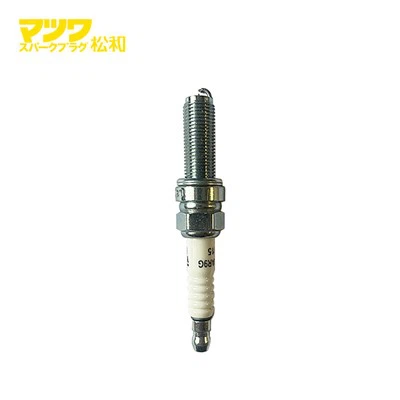
Spark plugs are crucial components in your car's ignition system. Their main job is to create a spark that ignites the air-fuel mixture in the engine's cylinders. If they're not working properly, the combustion process can be affected, leading to a rough idle.
Signs that Spark Plugs Might Be the Culprit
- Misfiring: One of the most obvious signs is when your engine misfires. This can feel like a sudden jerk or a loss of power while the car is idling. Misfiring happens when the spark plug fails to ignite the air-fuel mixture at the right time.
- Poor Fuel Economy: If your spark plugs are worn out, they might not be able to burn the fuel efficiently. This means your car will use more fuel to achieve the same level of performance, and you'll notice a drop in your miles per gallon.
- Difficulty Starting the Engine: A rough idle can sometimes be accompanied by trouble starting the car. If the spark plugs aren't generating a strong enough spark, it can be harder for the engine to turn over.
- Increased Emissions: Faulty spark plugs can cause incomplete combustion, which leads to higher levels of harmful emissions. If your car fails an emissions test, spark plugs could be the reason.
How to Check Your Spark Plugs
Now that you know the signs, let's talk about how to check your spark plugs.
- Gather Your Tools: You'll need a socket wrench, a spark plug gap tool, and a wire brush.
- Locate the Spark Plugs: The number of spark plugs in your car depends on the number of cylinders in the engine. They're usually connected to thick wires and are located on top of the engine.
- Remove the Spark Plugs: Use the socket wrench to carefully remove each spark plug. Be gentle when pulling out the wires to avoid damaging them.
- Inspect the Spark Plugs: Look at the condition of the spark plugs. If they're covered in black soot, it could mean they're burning too rich. If they're white or have a lot of deposits, it might indicate a lean mixture or overheating. You can also check the electrode for wear. If it's worn down, the spark plug needs to be replaced.
- Check the Gap: Use the spark plug gap tool to measure the distance between the center and ground electrode. The correct gap size is specified in your car's owner's manual. If the gap is too wide or too narrow, it can affect the spark plug's performance.
When to Replace Spark Plugs
As a general rule, spark plugs should be replaced every 30,000 to 100,000 miles, depending on the type of spark plugs and your driving conditions. If you notice any of the signs we talked about earlier, it's a good idea to check your spark plugs and replace them if necessary.
Types of Spark Plugs
There are different types of spark plugs available, each with its own advantages.
- Copper Spark Plugs: These are the most basic and affordable type. They have a copper core that provides good conductivity but doesn't last as long as other types.
- Platinum Spark Plugs: Platinum is a more durable material, so platinum spark plugs last longer than copper ones. They also provide a more consistent spark.
- Iridium Spark Plugs: Iridium is even more durable than platinum, and iridium spark plugs can last up to 100,000 miles. They offer better performance and fuel efficiency.
If you're looking for high-quality spark plugs, we have a great selection. Check out our Spark Plug For TOYOTA and NGK ITEM FOR Ford. We also have Double Iridium Spark Plugs for those who want the best performance.


Conclusion
Diagnosing a rough idle caused by spark plugs isn't too difficult if you know what to look for. By checking your spark plugs regularly and replacing them when needed, you can keep your engine running smoothly and avoid costly repairs down the road.
If you're in the market for new spark plugs, we're here to help. We offer a wide range of high-quality spark plugs at competitive prices. Whether you're a DIY mechanic or a professional, we can provide you with the right spark plugs for your car. Contact us to start a procurement discussion and let's get your car back in top shape!
References
- "Automotive Technology: A Systems Approach" by James D. Halderman
- "How Cars Work" by Tom Newton