Determining whether your lawn and garden spark plug needs immediate replacement is crucial for the optimal performance of your outdoor equipment. As a reputable supplier of lawn and garden spark plugs, I've witnessed firsthand the impact a faulty spark plug can have on your lawn mower, tiller, or other garden machinery. In this blog, I'll share some key indicators that suggest it's time to swap out your spark plug and explain why timely replacement is essential.
Understanding the Role of a Spark Plug
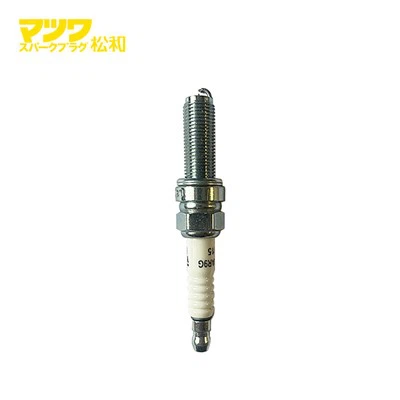
Before delving into the signs of a failing spark plug, it's important to understand its function. A spark plug is a small but vital component in your lawn and garden equipment's ignition system. Its primary role is to create an electrical spark that ignites the air-fuel mixture in the engine's combustion chamber. This ignition process generates the power needed to start and run your equipment smoothly. Without a properly functioning spark plug, your engine may experience a range of issues, from poor performance to complete failure.
Signs That Your Spark Plug Needs Replacement
1. Difficulty Starting the Engine
One of the most common signs that your spark plug is failing is difficulty starting your lawn mower or garden equipment. If you find yourself pulling the starter cord multiple times or using excessive force to get the engine to turn over, it could be a sign that the spark plug is not generating a strong enough spark. Over time, spark plugs can become fouled with carbon deposits, oil, or other contaminants, which can interfere with the spark's ability to ignite the air-fuel mixture. Additionally, the electrodes on the spark plug can wear down, reducing the spark's intensity.

2. Rough Idling
Another telltale sign of a faulty spark plug is rough idling. When your engine is running at idle, it should operate smoothly and consistently. However, if you notice that the engine is shaking, vibrating, or producing an uneven sound, it could indicate that the spark plug is not firing properly. A weak or inconsistent spark can cause the engine to misfire, resulting in a rough idle. This not only affects the performance of your equipment but can also lead to increased fuel consumption and emissions.
3. Poor Performance
A failing spark plug can also have a significant impact on the overall performance of your lawn and garden equipment. If you notice that your lawn mower is struggling to cut through grass, or your tiller is not tilling the soil as effectively as it used to, it could be due to a faulty spark plug. A weak spark can cause the engine to lose power, resulting in reduced performance and efficiency. Additionally, a misfiring engine can cause the equipment to run unevenly, making it more difficult to operate.
4. Increased Fuel Consumption
A worn or fouled spark plug can also cause your equipment to consume more fuel than usual. When the spark plug is not firing properly, the engine may not be able to burn the air-fuel mixture efficiently, resulting in wasted fuel. This not only increases your operating costs but also has a negative impact on the environment. By replacing your spark plug regularly, you can ensure that your engine is running at its most efficient, reducing fuel consumption and emissions.
5. Visible Damage
In some cases, you may be able to visually inspect the spark plug to determine if it needs replacement. If the spark plug is cracked, chipped, or has excessive carbon deposits, it's a clear sign that it's time for a new one. Additionally, if the electrodes on the spark plug are worn down or damaged, it can affect the spark's ability to ignite the air-fuel mixture. It's important to note that even if the spark plug appears to be in good condition, it may still be faulty, so it's always a good idea to test it using a spark plug tester.
Why Timely Replacement is Essential
Replacing your lawn and garden spark plug at the first sign of trouble is essential for several reasons. First and foremost, a faulty spark plug can cause significant damage to your engine if left untreated. A misfiring engine can lead to increased wear and tear on the pistons, valves, and other components, which can result in costly repairs down the road. Additionally, a worn or fouled spark plug can reduce the performance and efficiency of your equipment, making it more difficult to use and increasing your operating costs.
By replacing your spark plug regularly, you can ensure that your engine is running at its best. A new spark plug will provide a strong, consistent spark, which will improve the ignition process and help your engine start and run more smoothly. This not only enhances the performance of your equipment but also extends its lifespan, saving you money in the long run.
How to Replace Your Spark Plug
Replacing your lawn and garden spark plug is a relatively simple process that can be done with a few basic tools. Here's a step-by-step guide to help you get started:
- Gather the necessary tools: You'll need a spark plug socket, a ratchet or wrench, and a new spark plug that is compatible with your equipment.
- Turn off the engine: Before you begin, make sure the engine is turned off and has cooled down completely. This will prevent you from getting burned and reduce the risk of injury.
- Locate the spark plug: The spark plug is typically located on the side of the engine, near the top. It will be connected to a wire or cable, which you'll need to remove before you can access the spark plug.
- Remove the old spark plug: Use the spark plug socket and ratchet or wrench to loosen and remove the old spark plug. Be careful not to damage the threads or the spark plug wire.
- Inspect the old spark plug: Take a close look at the old spark plug to see if there are any signs of damage or wear. If the spark plug is fouled or damaged, it's a clear sign that it needs to be replaced.
- Install the new spark plug: Carefully insert the new spark plug into the spark plug socket and tighten it by hand. Then, use the ratchet or wrench to tighten the spark plug an additional 1/4 to 1/2 turn. Be careful not to over-tighten the spark plug, as this can damage the threads.
- Reconnect the spark plug wire: Once the new spark plug is installed, reconnect the spark plug wire to the top of the spark plug. Make sure the wire is securely attached and there are no loose connections.
- Start the engine: Turn on the engine and let it run for a few minutes to make sure the new spark plug is working properly. If the engine starts and runs smoothly, you're good to go.
Conclusion
In conclusion, knowing when to replace your lawn and garden spark plug is essential for the optimal performance of your outdoor equipment. By paying attention to the signs of a failing spark plug and replacing it in a timely manner, you can ensure that your engine is running at its best and avoid costly repairs down the road. If you're unsure whether your spark plug needs replacement, or if you need help selecting the right spark plug for your equipment, don't hesitate to contact us. As a leading supplier of Lawn Mower Spark Plugs, we have the expertise and experience to help you find the perfect spark plug for your needs. Whether you're a professional landscaper or a homeowner looking to maintain your lawn and garden, we're here to provide you with the highest quality products and exceptional customer service. Contact us today to learn more about our products and how we can help you keep your equipment running smoothly.
References
- Small Engine Repair Manuals
- Manufacturer's Specifications for Lawn and Garden Equipment
- Industry Publications on Outdoor Power Equipment Maintenance