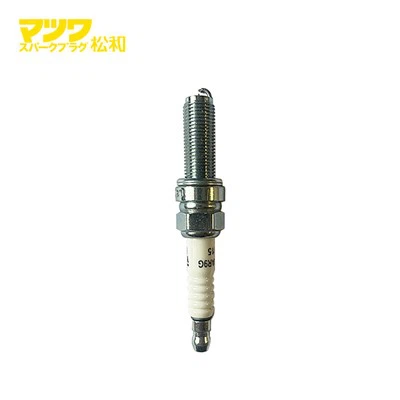
Testing a lawn mower spark plug is a crucial step in ensuring your lawn mower runs smoothly. As a supplier of Lawn Mower Spark Plugs, I've seen firsthand how a faulty spark plug can turn a simple lawn - mowing day into a frustrating ordeal. In this blog, I'll walk you through the process of testing a lawn mower spark plug, so you can keep your lawn mower in top - notch condition.
Why Test Your Spark Plug?
Before we dive into the testing process, let's talk about why it's so important to test your spark plug. The spark plug is responsible for igniting the air - fuel mixture in the engine's combustion chamber. If the spark plug isn't working correctly, the engine may not start, it could misfire, or it might run poorly. A bad spark plug can also lead to decreased fuel efficiency and increased emissions. So, regularly testing your spark plug can save you time, money, and headaches in the long run.
Tools You'll Need
To test a lawn mower spark plug, you'll need a few basic tools. Here's what you should gather before you start:
- Spark Plug Wrench: This is a specialized wrench designed to remove and install spark plugs. Make sure you get the right size for your lawn mower's spark plug.
- Spark Tester: A spark tester is a simple device that allows you to check if the spark plug is producing a spark. You can find these at most auto parts stores or online.
- Wire Brush: A wire brush will come in handy for cleaning the spark plug if it's dirty.
- Gap Tool: A gap tool is used to measure and adjust the gap between the electrodes of the spark plug. This is important because the correct gap is necessary for proper ignition.
Step - by - Step Testing Process
Step 1: Safety First
Before you do anything, make sure your lawn mower is turned off and has cooled down. You don't want to risk getting burned or accidentally starting the engine while you're working on it. Also, disconnect the spark plug wire from the spark plug to prevent any accidental electrical shocks.
Step 2: Remove the Spark Plug
Use the spark plug wrench to carefully remove the spark plug from the engine. Turn the wrench counter - clockwise to loosen the spark plug. Once it's loose, you can usually remove it by hand. Be careful not to drop the spark plug or damage the threads in the engine.
Step 3: Inspect the Spark Plug
Take a close look at the spark plug. A healthy spark plug should have a light - brown or tan color on the insulator and electrodes. If the spark plug is black and sooty, it could be a sign of a rich fuel mixture, a dirty air filter, or an oil leak. A white, chalky appearance may indicate a lean fuel mixture or overheating. If the electrodes are worn or damaged, the spark plug will need to be replaced.
Step 4: Check the Gap
Use the gap tool to measure the gap between the center electrode and the ground electrode of the spark plug. Refer to your lawn mower's owner's manual to find out the correct gap for your specific model. If the gap is too wide or too narrow, you can use the gap tool to carefully bend the ground electrode to adjust it.
Step 5: Test for Spark
Now it's time to test if the spark plug is producing a spark. Reconnect the spark plug wire to the spark plug. Then, attach the spark tester to the end of the spark plug. Ground the spark tester against a metal part of the engine, such as the engine block. Have someone else pull the starter cord or turn the ignition key to try and start the engine. If you see a strong, blue spark in the spark tester, the spark plug is working properly. If there's no spark or a weak, yellow spark, the spark plug may be faulty.
Step 6: Clean or Replace
If the spark plug is dirty but otherwise in good condition, you can clean it using the wire brush. Gently scrub the electrodes and the insulator to remove any dirt or debris. However, if the spark plug is worn, damaged, or doesn't produce a proper spark, it's best to replace it with a new one.
Step 7: Reinstall the Spark Plug
Once you've either cleaned or replaced the spark plug, it's time to put it back in the engine. Carefully thread the spark plug into the engine by hand to avoid cross - threading. Then, use the spark plug wrench to tighten it. Don't over - tighten the spark plug, as this can damage the threads in the engine. Finally, reconnect the spark plug wire.

Troubleshooting Tips
If you've followed all the steps above and your lawn mower still isn't starting or running properly, there could be other issues at play. Here are some additional things to check:
- Fuel System: Make sure there's enough fuel in the tank and that the fuel filter isn't clogged. A dirty fuel filter can restrict the flow of fuel to the engine.
- Air Filter: A dirty air filter can prevent the engine from getting enough air, which can lead to poor performance. Clean or replace the air filter if necessary.
- Ignition System: Check the ignition coil and other ignition components for any signs of damage or wear. A faulty ignition coil can prevent the spark plug from getting the proper voltage.
When to Replace Your Spark Plug
Even if you've tested your spark plug and it seems to be working okay, it's still a good idea to replace it periodically. Most lawn mower manufacturers recommend replacing the spark plug every 25 - 50 hours of use or at least once a year. Regularly replacing the spark plug can help ensure optimal engine performance and prevent problems down the road.
Why Choose Our Lawn Mower Spark Plugs
As a leading supplier of Lawn Mower Spark Plugs, we offer high - quality spark plugs that are designed to fit a wide range of lawn mower models. Our spark plugs are made from premium materials and are rigorously tested to ensure reliable performance. Whether you have a small push mower or a large riding mower, we have the right spark plug for you.
If you're in the market for new lawn mower spark plugs or have any questions about testing or maintaining your spark plugs, don't hesitate to reach out. We're here to help you keep your lawn mower running smoothly and efficiently. Contact us today to start a conversation about your spark plug needs and let's work together to get the best solution for your lawn - care equipment.
References
- Lawn mower owner's manuals
- Automotive repair guides
- Industry - standard spark plug testing resources