As a seasoned supplier of marine spark plugs, I've witnessed firsthand the challenges that come with operating marine engines in areas teeming with debris. In this blog, I'll delve into how marine spark plugs function in such environments, the potential issues they may face, and how to ensure their optimal performance.
The Basics of Marine Spark Plugs
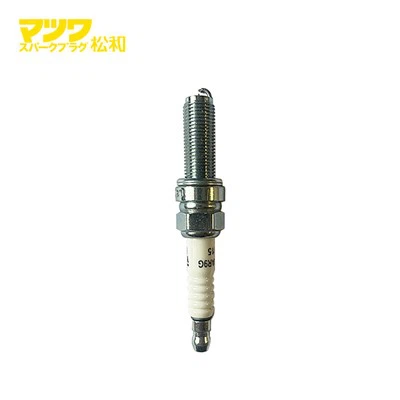
Before we explore the impact of debris, let's briefly understand how marine spark plugs work. Whether it's Gasoline Marine Spark Plugs or Diesel Marine Spark Plugs, their primary function is to ignite the air - fuel mixture within the engine's combustion chamber.
In a gasoline engine, the spark plug creates a high - voltage electrical spark at the precise moment when the piston is at the top of its compression stroke. This spark ignites the compressed air - fuel mixture, which then rapidly burns, generating the force that drives the piston down and powers the engine.
Diesel engines, on the other hand, rely on compression ignition. However, in some diesel engines, especially those with glow plugs or in certain operating conditions, spark plugs can play a supplementary role in ensuring reliable ignition, particularly during cold starts or in engines with specific combustion requirements.
The Impact of Debris in the Water
When a boat operates in areas with a lot of debris, such as rivers with floating logs, seaweed, or industrial waste, several factors can affect the performance of marine spark plugs.
1. Cooling System Blockage
Marine engines are typically cooled by water drawn from the surrounding environment. If debris clogs the cooling system, the engine can overheat. Excessive heat can cause the spark plugs to overheat as well. When a spark plug overheats, it can lead to pre - ignition, where the air - fuel mixture ignites before the spark plug fires. This can cause engine knocking, reduced power output, and even damage to the engine components.
2. Contaminants in the Air Intake
Debris in the water can create a mist or aerosol that contains small particles. If these particles are drawn into the engine's air intake, they can contaminate the air - fuel mixture. Contaminated mixtures can be more difficult to ignite, leading to misfires. A misfire occurs when the spark plug fails to ignite the air - fuel mixture properly, resulting in a loss of power, rough engine operation, and increased fuel consumption.

3. Physical Damage
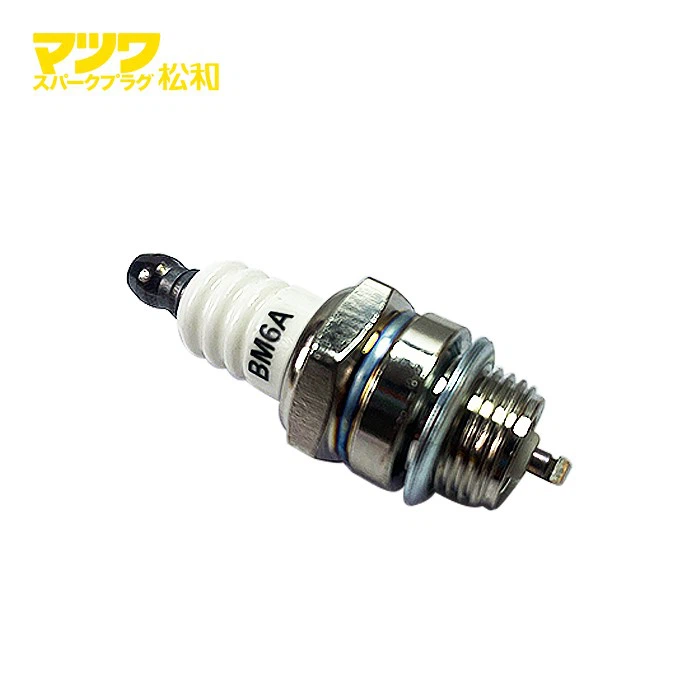
Large pieces of debris can cause physical damage to the boat's hull, propeller, or other components. In some cases, this damage can lead to vibrations that are transmitted to the engine. Excessive vibrations can cause the spark plug electrodes to wear out more quickly or even break. A damaged spark plug will not be able to generate a proper spark, leading to ignition problems.
How Marine Spark Plugs Adapt to Debris - Laden Environments
Despite these challenges, modern marine spark plugs are designed to withstand the rigors of operating in debris - filled waters.
1. Heat Resistance
Manufacturers use high - quality materials and advanced manufacturing techniques to ensure that spark plugs can handle high temperatures. For example, some spark plugs have special ceramic insulators that can resist heat and prevent pre - ignition. These insulators also help to maintain the electrical integrity of the spark plug, ensuring that the spark is generated consistently.
2. Electrode Design
The electrodes of marine spark plugs are designed to be durable. They are often made of materials such as platinum or iridium, which are resistant to wear and corrosion. A well - designed electrode can maintain a consistent spark gap, even in the presence of vibrations or contaminants. This helps to ensure reliable ignition and smooth engine operation.
3. Sealing and Protection
Marine spark plugs are sealed to prevent water and debris from entering the engine's combustion chamber. The seals are designed to withstand the harsh marine environment, including exposure to saltwater, humidity, and high - pressure conditions. Additionally, some spark plugs have protective coatings that can resist corrosion and prevent the buildup of contaminants on the plug's surface.
Maintaining Marine Spark Plugs in Debris - Filled Areas
To ensure the long - term performance of marine spark plugs in areas with a lot of debris, regular maintenance is essential.
1. Regular Inspections
Inspect the spark plugs regularly for signs of wear, damage, or contamination. Look for signs of overheating, such as a white or blistered insulator, or signs of fouling, such as a black or oily deposit on the electrodes. If you notice any issues, replace the spark plugs immediately.
2. Cleaning the Cooling System
Keep the engine's cooling system clean to prevent overheating. Regularly check the intake strainer and remove any debris that may have accumulated. If the cooling system becomes clogged, flush it with clean water to remove the blockage.
3. Air Filter Maintenance
Change the engine's air filter regularly to prevent contaminants from entering the combustion chamber. A clean air filter will ensure that the air - fuel mixture is clean and easy to ignite.
4. Vibration Checks
Periodically check the engine for excessive vibrations. If you notice any unusual vibrations, have the engine inspected by a professional to identify and correct the source of the problem. Excessive vibrations can cause premature wear on the spark plugs and other engine components.
Conclusion
Operating marine engines in areas with a lot of debris presents unique challenges for marine spark plugs. However, with proper design, maintenance, and care, these spark plugs can continue to function effectively. As a supplier of marine spark plugs, I understand the importance of providing high - quality products that can withstand the harsh marine environment.
If you're in the market for reliable marine spark plugs, whether Gasoline Marine Spark Plugs or Diesel Marine Spark Plugs, I encourage you to reach out to discuss your specific needs. We're here to help you find the right spark plugs for your marine engine and ensure its optimal performance in any environment.
References
- "Marine Engine Handbook" by Nigel Calder
- "Spark Plug Technology and Applications" by various industry experts in automotive and marine engineering