When it comes to the world of automotive engineering, the relationship between engine size and the choice of automotive spark plugs is a topic that holds significant importance. As a trusted supplier of Automotive Spark Plugs, I've witnessed firsthand how the right spark plug can make a world of difference in an engine's performance. In this blog, we'll delve into the intricate details of how engine size affects the selection of spark plugs, exploring the science behind it and offering practical insights for making the best choice.
Understanding the Basics of Spark Plugs
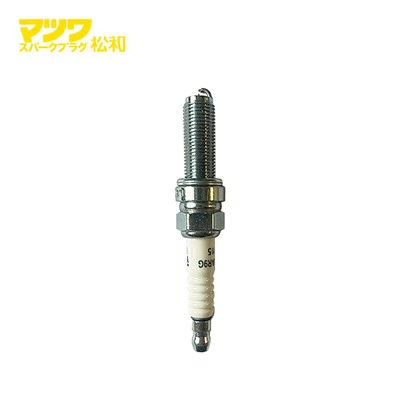
Before we dive into the impact of engine size, let's briefly review what spark plugs do. Spark plugs are a crucial component of an internal combustion engine. Their primary function is to create a spark that ignites the air-fuel mixture in the combustion chamber. This ignition process is what powers the engine and allows your vehicle to move.
The design and performance of a spark plug are determined by several factors, including the electrode material, heat range, and gap size. These factors must be carefully considered to ensure optimal performance, especially when taking into account the engine's size.
Engine Size and Combustion Chamber Volume
One of the most significant ways engine size affects spark plug selection is through the combustion chamber volume. Larger engines typically have larger combustion chambers, which means there is more air-fuel mixture to ignite. To effectively ignite this larger volume, a spark plug needs to generate a stronger and more consistent spark.
For example, a small engine, such as a 1.0 - liter engine commonly found in compact cars, has a relatively small combustion chamber. In this case, a spark plug with a smaller electrode and a lower heat range may be sufficient. The smaller electrode can create a focused spark that is adequate for igniting the limited amount of air - fuel mixture in the chamber.
On the other hand, a large engine, like a 6.0 - liter V8 engine in a high - performance vehicle or a heavy - duty truck, requires a spark plug that can handle the increased volume of the combustion chamber. A spark plug with a larger electrode and a higher heat range is often necessary. The larger electrode can produce a more powerful spark, while the higher heat range helps to prevent fouling and ensures reliable ignition under the more demanding conditions of a large engine.
Heat Dissipation and Engine Size
Heat dissipation is another critical factor influenced by engine size. Different engines generate different amounts of heat during the combustion process. Larger engines generally produce more heat because they burn more fuel and air.
Spark plugs are designed with a specific heat range, which refers to their ability to transfer heat away from the tip of the plug. In a small engine, a spark plug with a lower heat range is typically used. This is because the engine generates less heat, and a lower - heat - range plug can maintain the right temperature to prevent pre - ignition and fouling.
In contrast, large engines require spark plugs with a higher heat range. These plugs can dissipate the excess heat more effectively, preventing overheating and potential damage to the spark plug and the engine. If a spark plug with a too - low heat range is used in a large engine, it may overheat, leading to pre - ignition, which can cause engine knocking and reduced performance.
Compression Ratio and Engine Size
The compression ratio of an engine is also related to its size and has a direct impact on spark plug selection. The compression ratio is the ratio of the volume of the combustion chamber when the piston is at the bottom of its stroke (bottom dead center) to the volume when the piston is at the top of its stroke (top dead center).
Larger engines often have higher compression ratios, especially in high - performance applications. A higher compression ratio means that the air - fuel mixture is compressed more tightly before ignition. This requires a spark plug that can generate a spark strong enough to ignite the highly compressed mixture.
For engines with high compression ratios, spark plugs with a more robust design and better insulation are preferred. These plugs can withstand the higher pressures and temperatures associated with high - compression combustion. For instance, Engine Spark Plugs designed for high - performance engines are engineered to handle the increased stress of high - compression ignition.
Performance Requirements and Engine Size
The performance requirements of an engine also vary depending on its size. Small engines in economy cars are typically designed for fuel efficiency and smooth, reliable operation. In these cases, spark plugs are selected to optimize fuel combustion and reduce emissions.
Large engines, particularly those in sports cars and heavy - duty vehicles, are often built for power and performance. They require spark plugs that can deliver a consistent and powerful spark to ensure maximum power output. For example, Spark Plug For Mercedes - Benz vehicles, which may have a range of engine sizes from small to large, are designed with specific performance requirements in mind. The spark plugs for these engines are carefully selected to meet the unique needs of each engine size and performance level.
Practical Considerations for Spark Plug Selection
When choosing spark plugs based on engine size, it's essential to refer to the vehicle manufacturer's recommendations. These recommendations are based on extensive testing and engineering to ensure optimal performance and reliability.
However, as an automotive spark plug supplier, I also understand that there may be situations where aftermarket spark plugs can offer improved performance. For example, some aftermarket spark plugs are designed with advanced electrode materials, such as iridium or platinum, which can provide a more consistent spark and longer service life.


When considering aftermarket spark plugs, it's crucial to ensure that they are compatible with the engine size and specifications. This may involve consulting with a knowledgeable mechanic or doing thorough research to find the right spark plugs for your vehicle.
Conclusion
In conclusion, engine size plays a vital role in the choice of automotive spark plugs. From the combustion chamber volume and heat dissipation to the compression ratio and performance requirements, every aspect of an engine's design is influenced by its size, and these factors must be considered when selecting the appropriate spark plug.
As a supplier of Automotive Spark Plugs, I'm committed to providing high - quality spark plugs that are tailored to the specific needs of different engine sizes. Whether you have a small, fuel - efficient engine or a large, high - performance engine, we have the expertise and the products to ensure your engine runs at its best.
If you're in the market for automotive spark plugs and need guidance on choosing the right ones for your engine size, don't hesitate to reach out. Our team of experts is ready to assist you in making the best selection for your vehicle. Contact us today to start the procurement process and experience the difference that quality spark plugs can make in your engine's performance.
References
- Heywood, John B. Internal Combustion Engine Fundamentals. McGraw - Hill Education, 1988.
- Taylor, Colin R. The Internal Combustion Engine in Theory and Practice. MIT Press, 1985.