Hey there! As a supplier of industrial spark plugs, I've seen firsthand how power output can have a huge impact on the performance of these crucial components. In this blog, I'm gonna break down the relationship between power output and industrial spark plug performance, and why it matters for your business.
Let's start with the basics. Industrial spark plugs are used in a wide range of applications, from gas generator sets to heavy - duty industrial engines. Their main job is to create a spark that ignites the air - fuel mixture in the combustion chamber, which in turn powers the engine. The power output of an engine is essentially the amount of work it can do over a given period of time, and it's directly related to how well the spark plug is performing.
The Role of Power Output in Ignition
When an engine has a high power output, it means there's a greater demand for energy. This usually translates to a larger volume of air - fuel mixture being introduced into the combustion chamber. For the spark plug to effectively ignite this larger volume, it needs to generate a strong and consistent spark. If the power output is too high and the spark plug can't keep up, the ignition process may be incomplete. This can lead to misfires, where the air - fuel mixture doesn't burn properly. Misfires not only reduce the engine's efficiency but can also cause damage to other engine components over time.


On the other hand, if the power output is too low, the spark plug may not be operating under optimal conditions. A spark plug is designed to work within a certain range of power outputs. When the power output is below this range, the spark may be weaker than necessary. This can result in slow or inefficient combustion, which means the engine won't be able to produce the power it's capable of.
Heat Dissipation and Power Output
Another important aspect is heat dissipation. High - power engines generate a lot of heat, and the spark plug needs to be able to handle this heat effectively. When the power output is high, the combustion process is more intense, and the temperature in the combustion chamber rises significantly. A spark plug that can't dissipate heat properly will overheat. Overheating can cause the electrodes of the spark plug to wear out faster, and in extreme cases, it can even lead to pre - ignition. Pre - ignition is when the air - fuel mixture ignites before the spark plug fires, which can cause serious damage to the engine.
Conversely, in low - power engines, the heat generated is less. If a spark plug designed for high - power applications is used in a low - power engine, it may not reach the optimal operating temperature. This can lead to carbon deposits forming on the spark plug, which can interfere with the spark and reduce its performance.
Types of Industrial Spark Plugs and Power Output
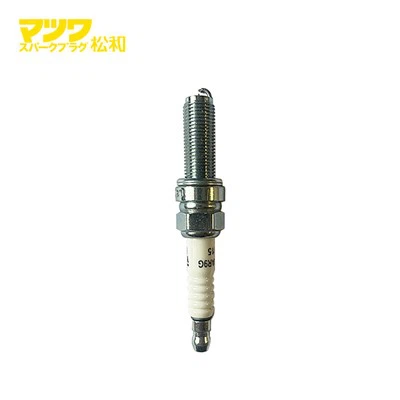
There are different types of industrial spark plugs, each designed to handle specific power outputs. For example, Spark Plugs Of Gas Generator Sets are often used in applications where a relatively stable power output is required. These spark plugs are engineered to provide a consistent spark under the specific conditions of gas generator sets. They need to be able to ignite the gas - air mixture efficiently to ensure the generator runs smoothly and produces the required amount of electricity.
Prechamber Spark Plug is another type that's commonly used in high - power engines. The pre - chamber design allows for a more controlled and efficient ignition process. In high - power applications, where the air - fuel mixture is more complex and the combustion needs to be precise, prechamber spark plugs can provide a stronger and more reliable spark. This helps to improve the overall performance of the engine and increase its power output.
Heavy Duty Industry Spark Plugs are built to withstand the rigors of heavy - duty applications. These engines typically have high power outputs and operate under harsh conditions. Heavy - duty spark plugs are made with more durable materials and are designed to dissipate heat quickly. They can handle the high pressures and temperatures associated with heavy - duty engines, ensuring reliable ignition and consistent performance.
Choosing the Right Spark Plug Based on Power Output
As an industrial spark plug supplier, I often get asked how to choose the right spark plug for a particular engine. The first step is to understand the power output of the engine. You need to know the maximum and minimum power levels it operates at. This information can usually be found in the engine's technical specifications.
Once you have the power output details, you can match them with the specifications of different spark plugs. Look for spark plugs that are rated for the power range of your engine. It's also important to consider other factors such as the type of fuel the engine uses, the operating environment, and the engine's design. For example, if the engine operates in a dusty or dirty environment, you may need a spark plug with better protection against contaminants.
Impact on Maintenance and Cost
The power output of an engine also has an impact on the maintenance and cost associated with spark plugs. In high - power engines, spark plugs tend to wear out faster. This means they need to be replaced more frequently, which can increase the maintenance cost. However, using the right spark plug designed for high - power applications can help to extend its lifespan and reduce the frequency of replacements.
In low - power engines, the spark plugs may last longer, but if they're not the right type for the power output, they can still cause problems. Inefficient combustion due to an improper spark plug can lead to increased fuel consumption, which in the long run can be costly. So, choosing the right spark plug based on power output is not only important for performance but also for cost - effectiveness.
Conclusion
In conclusion, power output plays a crucial role in the performance of industrial spark plugs. Whether it's ensuring proper ignition, heat dissipation, or choosing the right type of spark plug, understanding the relationship between power output and spark plug performance is essential for the smooth operation of your engines.
If you're in the market for industrial spark plugs and need help choosing the right ones for your specific power output requirements, don't hesitate to reach out. We're here to assist you in making the best decision for your business. Whether it's for gas generator sets, high - power engines, or heavy - duty applications, we have a wide range of spark plugs to meet your needs. Contact us for more information and let's start a discussion about how we can improve your engine's performance.
References
- Heywood, J. B. (1988). Internal Combustion Engine Fundamentals. McGraw - Hill.
- Taylor, C. F. (1985). The Internal Combustion Engine in Theory and Practice. MIT Press.