Determining the heat range of industrial spark plugs is a crucial aspect of ensuring optimal performance and longevity of industrial engines. As a trusted industrial spark plugs supplier, we understand the significance of this process and are here to guide you through it.


Understanding the Concept of Heat Range
The heat range of a spark plug refers to its ability to dissipate heat from the firing end to the engine's cooling system. It is not an indication of the spark plug's ability to generate heat but rather its capacity to transfer it away. A spark plug with a proper heat range will operate at a temperature that is high enough to prevent fouling but low enough to avoid pre - ignition and overheating.
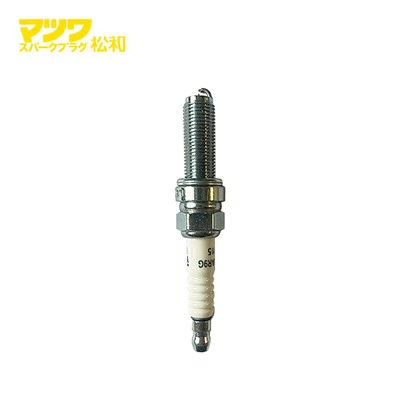
The heat range is typically determined by the length and material of the insulator nose. A longer insulator nose has more surface area in contact with the combustion chamber, which means it will transfer heat more slowly and is considered a "hot" spark plug. Conversely, a shorter insulator nose transfers heat more quickly and is a "cold" spark plug.
Factors Influencing the Heat Range Requirement
Engine Design
Different engine designs have varying heat dissipation characteristics. For example, engines with high compression ratios generate more heat during the combustion process. These engines require a colder spark plug to prevent pre - ignition. On the other hand, engines with lower compression ratios produce less heat and may need a hotter spark plug to ensure proper combustion and prevent fouling.
Operating Conditions
The operating conditions of an industrial engine play a significant role in determining the appropriate heat range. Engines that operate under heavy loads, such as those in Heavy Duty Industry Spark Plugs, generate more heat and require colder spark plugs. In contrast, engines that operate at low loads or have long periods of idling may need hotter spark plugs.
Fuel Type
The type of fuel used in the engine also affects the heat range requirement. Fuels with higher octane ratings burn more slowly and require a hotter spark plug to ensure complete combustion. Conversely, fuels with lower octane ratings burn more quickly and may need a colder spark plug to prevent pre - ignition.
Methods to Determine the Heat Range
Manufacturer's Recommendations
The first step in determining the heat range of an industrial spark plug is to consult the engine manufacturer's recommendations. Engine manufacturers conduct extensive testing to determine the optimal spark plug heat range for their engines. They consider factors such as engine design, operating conditions, and fuel type when making these recommendations.
Visual Inspection
Visual inspection of the spark plug can provide valuable insights into its heat range performance. A properly functioning spark plug will have a light tan or grayish - brown color on the insulator tip. If the insulator tip is white or blistered, it may indicate that the spark plug is too cold, causing incomplete combustion and carbon buildup. If the insulator tip is black and sooty, it may suggest that the spark plug is too hot, leading to pre - ignition and overheating.
Performance Testing
Performance testing can also be used to determine the appropriate heat range. This involves monitoring engine performance parameters such as power output, fuel consumption, and emissions. If the engine is experiencing problems such as misfires, poor acceleration, or high fuel consumption, it may be a sign that the spark plug heat range is incorrect. By changing the spark plug heat range and monitoring the engine's performance, you can determine the optimal heat range for your engine.
Importance of Correct Heat Range Selection
Selecting the correct heat range for industrial spark plugs is essential for several reasons. Firstly, it ensures proper combustion, which leads to improved engine performance, increased power output, and better fuel efficiency. Secondly, it helps prevent engine damage caused by pre - ignition and overheating. A spark plug with an incorrect heat range can cause premature wear and tear on engine components, leading to costly repairs. Finally, it reduces emissions, contributing to a more environmentally friendly operation.
Our Role as an Industrial Spark Plugs Supplier
As an industrial spark plugs supplier, we offer a wide range of spark plugs suitable for various industrial applications. Our Prechamber Spark Plug and Spark Plugs Of Gas Generator Sets are designed to meet the specific heat range requirements of different engines. We have a team of experts who can provide technical support and guidance on selecting the right spark plug for your engine.
We understand that every industrial application is unique, and we are committed to helping our customers find the most suitable spark plugs. Whether you are operating a heavy - duty industrial engine or a gas generator set, we have the expertise and products to meet your needs.
Contact Us for Your Spark Plug Needs
If you are looking for high - quality industrial spark plugs and need assistance in determining the appropriate heat range for your engine, we invite you to contact us. Our team of professionals is ready to provide you with detailed information, answer your questions, and help you make the right choice. We believe in building long - term relationships with our customers based on trust, quality, and excellent service.
References
- Heywood, J. B. (1988). Internal Combustion Engine Fundamentals. McGraw - Hill.
- Taylor, C. F. (1966). The Internal Combustion Engine in Theory and Practice. MIT Press.