Ensuring the quality of customized aircraft spark plugs is a multi - faceted task that demands strict control over every step of the manufacturing process. As an aircraft spark plugs supplier, I understand the critical role these components play in the safe and efficient operation of aircraft engines. In this blog post, I will share some key strategies and practices that we implement to guarantee the high - quality of our customized aircraft spark plugs.
1. Precise Design and Engineering
The journey of a high - quality customized aircraft spark plug begins with accurate design and engineering. We start by understanding the specific requirements of the aircraft engine for which the spark plugs are being customized. Different aircraft engines, such as piston engines and those that may benefit from platinum - tipped spark plugs, have unique operating conditions, including compression ratios, ignition timings, and fuel types.
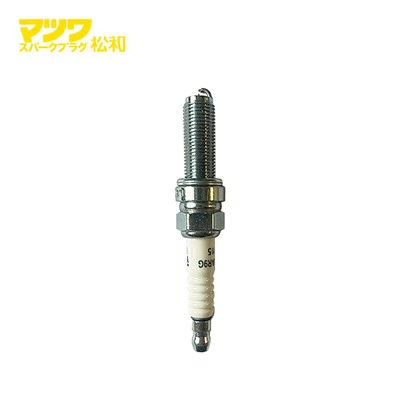
For example, piston engines typically have different performance characteristics compared to other engine types. Our engineers refer to detailed specifications and performance data of Piston Engine Aircraft Model Spark Plugs to design spark plugs that can withstand the high - pressure and high - temperature environment within the piston chamber. They use advanced computer - aided design (CAD) software to create 3D models of the spark plugs, allowing for precise calculations of electrode gaps, insulator shapes, and heat transfer properties.
When it comes to Platinum Aircraft Model Spark Plugs, the design process takes into account the unique properties of platinum. Platinum is a precious metal known for its high melting point and excellent corrosion resistance. Our design team ensures that the platinum tip is precisely shaped and positioned to optimize the spark generation and ignition efficiency. This involves considering factors such as the size of the platinum tip, its distance from the ground electrode, and the angle at which the spark jumps.
2. High - Quality Raw Materials
The quality of raw materials is the foundation of a high - quality spark plug. We source our materials from trusted suppliers who meet strict quality standards. For the electrodes, we use high - purity metals such as copper, nickel, and platinum, depending on the design requirements. These metals offer excellent electrical conductivity and high resistance to wear and corrosion.
The insulator, which separates the central electrode from the outer shell, is made from high - grade ceramic materials. These ceramics have high dielectric strength, meaning they can effectively prevent electrical leakage while withstanding high temperatures. We conduct rigorous tests on the raw materials upon arrival at our facility. This includes chemical composition analysis, hardness testing, and thermal expansion measurements to ensure that the materials meet our specifications.
For instance, in the case of platinum - tipped spark plugs, we verify the purity of the platinum to ensure that it can provide long - lasting performance and consistent spark generation. Any batch of raw materials that fails to meet our quality standards is immediately rejected, as we understand that sub - standard materials can lead to premature failure of the spark plugs and compromise the safety of the aircraft.
3. Stringent Manufacturing Processes
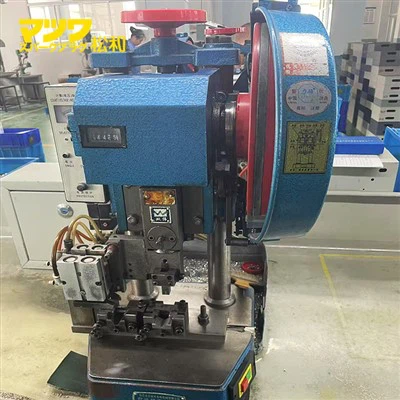
The manufacturing of customized aircraft spark plugs is a highly precise and controlled process. We operate in a state - of - the - art manufacturing facility that is equipped with advanced machinery and automation technology. This allows us to ensure consistency and accuracy in every step of the production process.
Starting from the machining of the electrodes, our computer - controlled machining centers are programmed to cut and shape the electrodes to the exact dimensions specified in the design. This ensures that the electrode gap, which is crucial for spark generation, is kept within a very narrow tolerance range. The insulator is formed through a process of high - pressure molding and sintering, which gives it the necessary strength and heat - resistance properties.
During the assembly process, workers follow strict procedures to ensure that all components are properly installed and aligned. Each spark plug is then subjected to a series of electrical and mechanical tests. Electrical tests include measuring the resistance, capacitance, and spark voltage to ensure that the spark plug can generate a strong and consistent spark under different operating conditions. Mechanical tests involve checking for proper torque values of the assembled parts to prevent loosening during operation.
4. Comprehensive Quality Control Checks
Quality control is an ongoing process throughout the manufacturing cycle. In addition to the tests conducted during the production process, we also perform comprehensive final inspections on finished spark plugs. These inspections are carried out using a combination of visual, physical, and electrical tests.
Visual inspections are conducted using high - magnification microscopes to detect any surface defects, such as cracks in the insulator or irregularities in the electrode surfaces. Physical tests involve measuring the dimensions of the spark plug to ensure that they match the design specifications. Electrical tests are repeated to verify the performance of the spark plug one last time.


We maintain detailed records of all quality control checks, including test results and manufacturing data for each batch of spark plugs. This traceability allows us to quickly identify and address any quality issues that may arise in the future. For example, if a particular batch of spark plugs shows signs of abnormal performance in the field, we can refer back to the manufacturing records to determine if there were any deviations in the production process or if the raw materials used were of lower quality.
5. Continuous Research and Development
The aerospace industry is constantly evolving, and so are the requirements for aircraft spark plugs. To stay ahead of the curve, we invest heavily in research and development (R&D). Our R&D team is constantly exploring new materials, manufacturing techniques, and design concepts to improve the performance and reliability of our spark plugs.
We collaborate with aerospace research institutions and engine manufacturers to gain insights into the latest trends and challenges in the industry. This allows us to develop innovative solutions that meet the future needs of the market. For example, as aircraft engines become more fuel - efficient and operate at higher temperatures, we are researching new materials that can withstand these more extreme conditions.
We also conduct extensive testing of new spark plug designs in real - world or simulated flight conditions. This helps us to ensure that the new products can perform reliably under actual operating conditions before they are introduced to the market.
6. Training and Skill Development of Staff
The expertise and skill of our staff are crucial for ensuring the quality of our customized aircraft spark plugs. We provide regular training programs for our employees, covering topics such as new manufacturing technologies, quality control procedures, and safety regulations.
Our production workers are trained to operate the advanced machinery with precision and to follow strict quality control protocols. They are also encouraged to report any potential quality issues immediately so that they can be addressed promptly. Our quality control inspectors receive in - depth training on the latest testing methods and equipment to ensure that they can accurately assess the quality of the spark plugs.
Management staff are trained in quality management systems and leadership skills to ensure that the entire organization is committed to maintaining high - quality standards. By investing in the training and development of our staff, we create a culture of quality throughout the company.
Contact for Purchase and Collaboration
If you are in the market for high - quality customized aircraft spark plugs, we invite you to get in touch with us. Whether you need spark plugs for piston engine aircraft or platinum - tipped spark plugs, our team of experts is ready to work with you to meet your specific requirements. We are committed to providing you with the best products and services, ensuring the safety and efficiency of your aircraft engines.
References
- Aircraft Engine Design Handbook, Society of Automotive Engineers
- Spark Plug Technology and Application Guide, International Institute of Aerospace Engineering
- Aerospace Materials and Their Properties, American Institute of Aeronautics and Astronautics