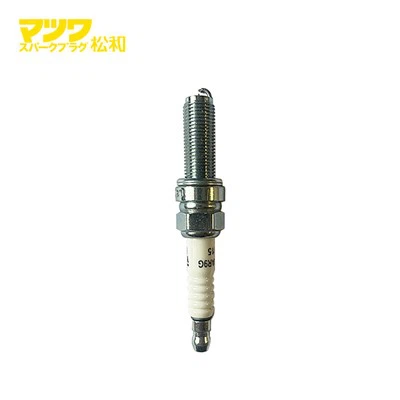
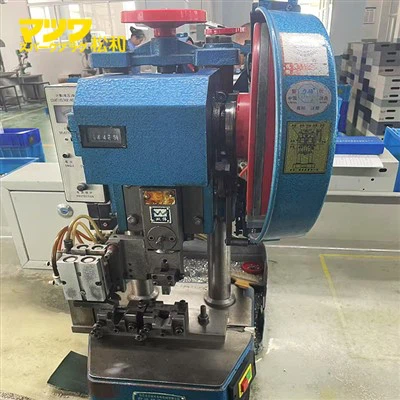
Hey there! As a supplier of machines for spark plugs, I know firsthand how crucial it is to ensure the safety of operators when using these machines. Spark plug manufacturing involves a variety of processes, and each step comes with its own set of risks. In this blog, I'll share some tips and best practices to keep your operators safe while they're working with our spark plug machines.
First off, let's talk about training. Proper training is the foundation of safety in any industrial setting. Before an operator starts using our machines, they should go through comprehensive training programs. This training should cover everything from the basic operation of the machine to emergency procedures. It's not just about knowing how to press the buttons; it's about understanding the machine's functions, limitations, and potential hazards.
For example, our Air Leakage Detection Equiment is a critical part of the spark plug manufacturing process. Operators need to be trained on how to set up the equipment correctly, how to interpret the test results, and what to do if there's a problem. They should also know how to handle any chemicals or gases that might be involved in the testing process safely.
Another important aspect of training is regular refresher courses. Technology and safety standards are constantly evolving, so it's essential to keep your operators up - to - date. These refresher courses can be short, but they should cover any new features of the machines, changes in safety regulations, or updated operating procedures.
Next, let's look at personal protective equipment (PPE). PPE is a must - have for anyone working with our spark plug machines. Depending on the specific process, operators may need to wear safety glasses, gloves, ear protection, and safety shoes. For instance, when using our Cutting And Bending Equipment, operators are at risk of getting cut by sharp edges or having small metal pieces fly into their eyes. Safety glasses and gloves can prevent these types of injuries.
It's not enough to just provide PPE; operators need to be educated on how to use it properly. They should know how to put on, adjust, and maintain their PPE. For example, safety glasses should fit snugly and be cleaned regularly to ensure clear vision. Gloves should be the right size and type for the task at hand.
Machine maintenance is also key to operator safety. A well - maintained machine is less likely to malfunction and cause an accident. We recommend a regular maintenance schedule for all our machines. This includes daily inspections, weekly checks, and monthly or quarterly in - depth maintenance.
During daily inspections, operators should look for any obvious signs of wear and tear, such as loose parts, frayed wires, or leaks. They should also check that all safety guards are in place and functioning correctly. Safety guards are designed to prevent operators from coming into contact with moving parts of the machine. If a safety guard is damaged or missing, it should be replaced immediately.
For more in - depth maintenance, our technicians can perform tasks like lubricating moving parts, calibrating sensors, and replacing worn - out components. Regular maintenance not only keeps the machines running smoothly but also extends their lifespan.
In addition to maintenance, it's important to have a system for reporting and addressing any safety concerns. Operators should feel comfortable reporting any issues they notice with the machines or the working environment. This could be something as simple as a noisy machine that might indicate a problem or a more serious issue like a malfunctioning safety feature.
Once a safety concern is reported, it should be investigated promptly. If there's a problem with the machine, it should be taken out of service until it's fixed. The root cause of the problem should be identified and steps should be taken to prevent it from happening again.
Let's also talk about the working environment. A clean and organized workspace is safer for operators. Cluttered work areas can lead to tripping hazards, and it can be more difficult to find tools and equipment when needed. We recommend implementing a 5S system (Sort, Set in Order, Shine, Standardize, Sustain) in the workplace.
Sorting involves getting rid of any unnecessary items in the workspace. Set in Order means organizing tools and equipment in a logical and accessible way. Shining refers to keeping the workspace clean, which includes regular cleaning of the machines and the floors. Standardizing means creating a set of procedures for maintaining the workspace, and sustaining involves making these practices a part of the daily routine.


When it comes to our Ceramic Testing Eqipment, the working environment is especially important. Ceramic testing often involves precise measurements, and a dirty or noisy environment can affect the accuracy of the tests. Keeping the testing area clean and quiet can improve both the quality of the tests and the safety of the operators.
Finally, emergency preparedness is crucial. Every workplace should have an emergency plan in place. This plan should include procedures for dealing with fires, electrical shocks, chemical spills, and other potential emergencies.
Operators should be trained on how to respond to different types of emergencies. For example, they should know where the fire extinguishers are located and how to use them. They should also know the evacuation routes and the assembly points in case of an emergency.
Regular emergency drills should be conducted to ensure that operators are familiar with the emergency procedures. These drills can be as simple as a fire drill or as complex as a simulated chemical spill response.
In conclusion, ensuring the safety of operators when using our machines for spark plugs requires a comprehensive approach. It involves proper training, the use of personal protective equipment, regular machine maintenance, a clean working environment, and emergency preparedness.
If you're interested in learning more about our machines for spark plugs or have any questions about operator safety, we'd love to hear from you. Whether you're a small - scale manufacturer or a large - scale production facility, we can provide you with the right equipment and support to keep your operations safe and efficient. Reach out to us to start a conversation about your specific needs and how we can help you achieve your goals.
References
- Occupational Safety and Health Administration (OSHA) guidelines for industrial machinery safety.
- Industry best practices for spark plug manufacturing safety.