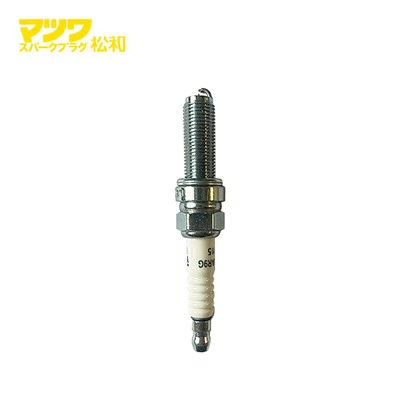
As a supplier of Double Platinum Spark Plugs, I'm often asked about the process of installing these high - performance components. In this blog, I'll guide you through the step - by - step process of installing double platinum spark plugs, explain their benefits, and provide some useful tips along the way.


Why Choose Double Platinum Spark Plugs?
Double platinum spark plugs are a popular choice among automotive enthusiasts and professionals alike. They offer several advantages over traditional spark plugs. The platinum electrodes are extremely durable, which means they have a longer lifespan. This durability also results in a more consistent spark, which can improve engine performance, fuel efficiency, and reduce emissions.
Compared to Iridium Spark Plugs, double platinum spark plugs are a more cost - effective option while still providing excellent performance. They are suitable for a wide range of vehicles, from everyday commuters to high - performance sports cars.
Tools You'll Need
Before you start the installation process, gather the necessary tools. Here's a list of what you'll need:
- Spark plug socket: Make sure it's the right size for your vehicle's spark plugs.
- Ratchet or breaker bar: This will help you remove and install the spark plugs.
- Gap gauge: To ensure the spark plug gap is set correctly.
- Dielectric grease: This helps prevent moisture and corrosion.
- Torque wrench: To tighten the spark plugs to the correct torque specification.
Step - by - Step Installation Guide
Step 1: Prepare Your Vehicle
First, make sure your vehicle is parked on a level surface and the engine is cool. Working on a hot engine can be dangerous and may cause burns. Open the hood and locate the spark plug wires or ignition coils. In some vehicles, the spark plugs are covered by a plastic engine cover, which you'll need to remove.
Step 2: Remove the Spark Plug Wires or Ignition Coils
If your vehicle has spark plug wires, carefully pull each wire straight off the spark plug. Be gentle to avoid damaging the wires. You can use a small amount of dielectric grease on the inside of the spark plug boot to make it easier to remove and reinstall later.
For vehicles with ignition coils, use a socket wrench to remove the bolts holding the coils in place. Then, carefully lift the coils off the spark plugs.
Step 3: Check the Spark Plug Gap
Before installing the new double platinum spark plugs, check the spark plug gap. The correct gap specification can be found in your vehicle's owner's manual. Use a gap gauge to measure the gap between the center and ground electrodes of the spark plug. If the gap is incorrect, you can adjust it by gently bending the ground electrode.
Step 4: Remove the Old Spark Plugs
Attach the spark plug socket to the ratchet or breaker bar. Insert the socket over the old spark plug and turn it counter - clockwise to loosen and remove the plug. Be careful not to let any debris fall into the spark plug hole.
Step 5: Install the New Double Platinum Spark Plugs
Take one of the new Double Platinum Spark Plugs and carefully thread it into the spark plug hole by hand. This helps prevent cross - threading, which can damage the engine block. Once the spark plug is hand - tight, use the torque wrench to tighten it to the correct torque specification.
Step 6: Reinstall the Spark Plug Wires or Ignition Coils
For vehicles with spark plug wires, slide the boots back onto the new spark plugs and make sure they are seated firmly. If you used dielectric grease earlier, it will help create a good connection and prevent moisture from getting in.
If your vehicle has ignition coils, place them back on the spark plugs and tighten the bolts with the socket wrench.
Step 7: Repeat the Process
Repeat steps 3 - 6 for each remaining spark plug. Make sure to install the spark plugs in the correct order, especially if your vehicle has a specific firing order.
Step 8: Test the Engine
Once all the new double platinum spark plugs are installed, close the hood and start the engine. Listen for any unusual noises or rough idling. If everything sounds normal, take your vehicle for a short test drive to ensure that the new spark plugs are working properly.
Tips for a Successful Installation
- Keep it clean: Make sure the area around the spark plugs is clean before you start the installation. Any debris that falls into the spark plug hole can cause engine damage.
- Follow the torque specification: Over - tightening or under - tightening the spark plugs can lead to problems. Always use a torque wrench and follow the manufacturer's recommended torque settings.
- Replace in sets: It's best to replace all the spark plugs at the same time. This ensures consistent performance across all cylinders.
Compatibility with Different Vehicles
Double platinum spark plugs are compatible with a wide range of vehicles. For example, if you own a Mercedes - Benz, you can find suitable Spark Plug For Mercedes - Benz. When choosing spark plugs for your vehicle, always refer to the owner's manual or consult with a professional to ensure you get the right ones.
Conclusion
Installing double platinum spark plugs is a relatively straightforward process that can significantly improve your vehicle's performance. By following the steps outlined in this blog, you can ensure a successful installation. If you have any questions or need further assistance, don't hesitate to reach out. As a supplier of double platinum spark plugs, we are here to help you find the right products for your vehicle and provide support throughout the installation process. Whether you're a DIY enthusiast or a professional mechanic, we can offer high - quality double platinum spark plugs that meet your needs. Contact us to start a procurement discussion and take your vehicle's performance to the next level.
References
- Automotive Repair Manuals
- Manufacturer's Specifications for Double Platinum Spark Plugs
- Vehicle Owner's Manuals