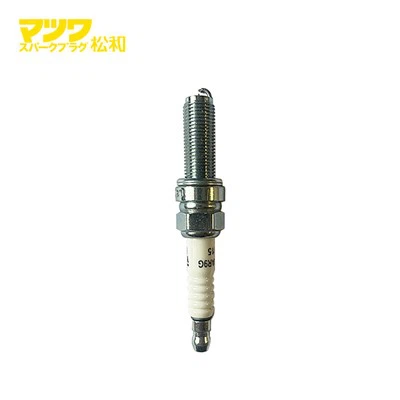
Under what circumstances can auto spark plugs be reused?
As an established auto spark plugs supplier, I've encountered numerous inquiries from customers regarding the reusability of spark plugs. This topic is not only relevant to cost - conscious vehicle owners but also to those aiming for more sustainable automotive maintenance practices. In this blog, I'll delve into the circumstances under which auto spark plugs can be reused.
1. Inspection of Physical Condition
The first step in determining whether a spark plug can be reused is a thorough physical inspection. When a spark plug is removed from the engine, check for any visible signs of damage. Look at the electrode, which is the part that generates the spark. If the electrode is severely worn, with a significant reduction in its thickness, it is likely that the spark plug will not function optimally. A worn electrode may result in a weaker spark, leading to misfires, poor fuel economy, and reduced engine performance.
On the other hand, if the electrode shows only minor wear, it might still be suitable for reuse. For example, a small amount of rounding at the tip of the electrode is normal and may not necessarily affect the spark plug's performance. Additionally, examine the insulator, the ceramic part of the spark plug. Any cracks or chips in the insulator can cause electrical leakage, which will prevent the spark from occurring at the electrode. If the insulator is in good condition, without any visible damage, it's a positive sign for potential reuse.
2. Analysis of Deposits
Deposits on spark plugs can provide valuable insights into their condition and reusability. There are different types of deposits that can accumulate on spark plugs, each indicating a specific issue with the engine or fuel system.
Carbon deposits are one of the most common types. A light layer of carbon on the spark plug is normal and can often be cleaned off. This type of deposit usually results from incomplete combustion of fuel. If the carbon deposit is not too thick and can be easily removed, the spark plug may still work effectively. You can clean the carbon deposits using a wire brush or a specialized spark plug cleaner.
However, if there are oil deposits on the spark plug, it could be a sign of a more serious problem, such as worn piston rings or valve seals. Oil on the spark plug can foul the electrode and prevent the spark from forming. In most cases, spark plugs with heavy oil deposits are not suitable for reuse, as the underlying engine issue needs to be addressed first.
Another type of deposit is lead deposits, which are less common in modern engines due to the use of unleaded fuel. Lead deposits can cause the spark plug to overheat and may damage the electrode. If lead deposits are present, it's best to replace the spark plug rather than attempting to reuse it.
3. Engine Performance and Misfire History
The performance of the engine before the spark plugs were removed is an important factor in determining reusability. If the engine was running smoothly, with no signs of misfires, rough idling, or poor acceleration, the spark plugs may be in good enough condition to be reused. Misfires occur when the spark plug fails to ignite the air - fuel mixture in the combustion chamber at the right time.
If the engine had a history of misfires, it's crucial to investigate the cause. Sometimes, a misfire can be due to a temporary issue, such as a dirty fuel injector or a problem with the ignition system. In such cases, if the spark plugs show no signs of significant damage or fouling, they may still be reusable after the underlying issue has been resolved.
However, if the misfires were persistent and were accompanied by other symptoms, such as a loss of power or increased fuel consumption, it's likely that the spark plugs are worn out and should be replaced. Reusing spark plugs in an engine with a history of persistent misfires can lead to further damage to the engine and may not solve the performance problems.
4. Type of Vehicle and Driving Conditions
The type of vehicle and the driving conditions also play a role in determining whether spark plugs can be reused. Different vehicles have different requirements for spark plugs. For example, high - performance engines, such as those in sports cars, typically require spark plugs that can withstand higher temperatures and pressures. These spark plugs are often designed to be replaced more frequently than those in standard passenger cars.
If you own a Spark Plug For Land Rover, which is known for its robust engines, the spark plugs may be able to tolerate more wear and tear. However, it's still important to follow the manufacturer's recommendations for spark plug replacement.

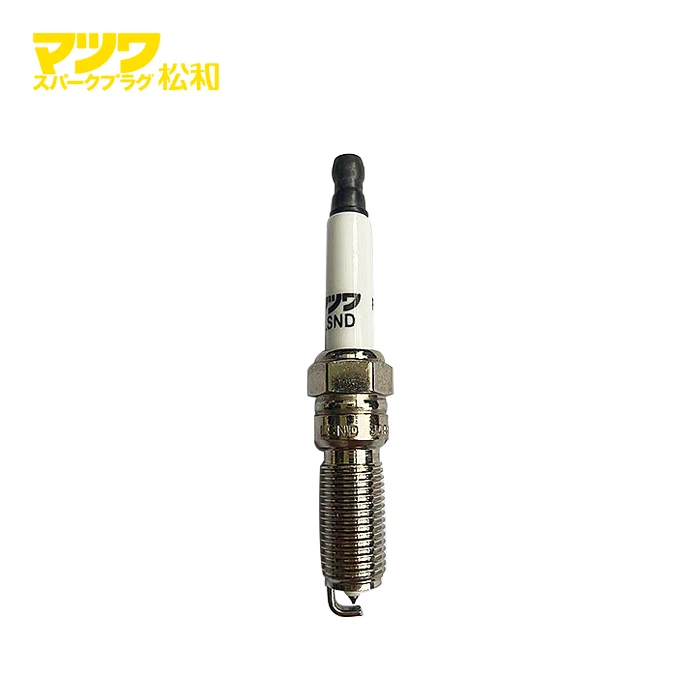
Driving conditions can also affect the lifespan of spark plugs. Vehicles that are mainly used for short trips in stop - and - go traffic are more likely to experience incomplete combustion, which can lead to more carbon deposits on the spark plugs. On the other hand, vehicles that are driven on long highway trips at a consistent speed tend to have better combustion and less deposit buildup. Spark plugs from vehicles driven under more favorable conditions may be more likely to be reused.
5. Manufacturer's Recommendations
Finally, it's essential to consider the manufacturer's recommendations for spark plug replacement. Each vehicle manufacturer specifies the recommended interval for spark plug replacement based on the design of the engine and the type of spark plugs used. Some manufacturers recommend replacing spark plugs every 30,000 miles, while others may suggest a longer interval, up to 100,000 miles.
If the spark plugs are still within the recommended replacement interval and meet the other criteria mentioned above (good physical condition, minimal deposits, etc.), there is a higher chance that they can be reused. However, if the spark plugs have exceeded the recommended replacement interval, it's generally advisable to replace them, even if they appear to be in good condition. This is because the internal components of the spark plug may have degraded over time, which can affect its performance and reliability.
In conclusion, while there are circumstances under which auto spark plugs can be reused, it's important to approach the decision with caution. A proper inspection, analysis of deposits, consideration of engine performance, vehicle type, driving conditions, and manufacturer's recommendations are all necessary steps. As an auto spark plugs supplier, I offer a wide range of Engine Spark Plugs and Truck Spark Plugs to meet the diverse needs of our customers. Whether you need new spark plugs or have questions about reusing old ones, feel free to contact us for professional advice and high - quality products. We are always ready to assist you in making the best decision for your vehicle's maintenance.
References
- "Automotive Engine Repair Manual"
- "Spark Plug Technology Handbook"
- Industry research reports on automotive maintenance and spark plug performance