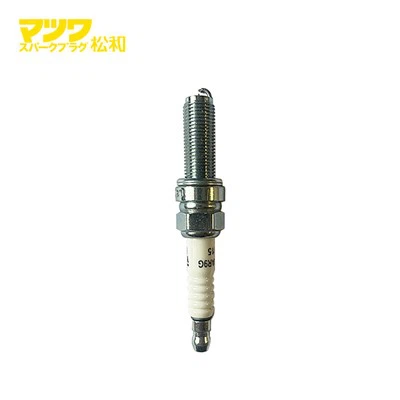
Hey there, aviation enthusiasts! As a supplier of aircraft spark plugs, I've seen firsthand the unique challenges these tiny but crucial components face, especially during take - off. In this blog, I'll dive into what makes take - off such a tough time for aircraft spark plugs and how our products are designed to handle these hurdles.
Extreme Temperature Changes
One of the most significant challenges for aircraft spark plugs during take - off is the extreme temperature changes. When an aircraft is sitting on the runway, the spark plugs are at ambient temperature. But as soon as the engine roars to life and the take - off roll begins, the temperature inside the combustion chamber skyrockets.


During the combustion process, the temperature can reach up to 2000 degrees Celsius. This rapid increase in temperature puts a lot of stress on the spark plug. The ceramic insulator, which is designed to keep the electrical current in the right path, has to expand quickly. If it can't expand uniformly, it can crack. And a cracked insulator means that the spark might not reach the combustion chamber properly, leading to misfires.
Our Platinum Aircraft Model Spark Plugs are engineered to handle these temperature changes. We use high - quality ceramics that have a low coefficient of thermal expansion. This means they can expand and contract with the temperature changes without cracking, ensuring a reliable spark even under extreme conditions.
High Pressure
Take - off also brings about high pressure in the combustion chamber. As the engine works harder to generate the thrust needed to get the aircraft off the ground, the pressure inside the cylinders can increase significantly. This high pressure can affect the spark plug in several ways.
First, it can make it more difficult for the spark to jump across the gap between the electrodes. The higher the pressure, the more energy is required for the spark to form. If the spark plug isn't up to the task, it might not be able to create a strong enough spark, resulting in incomplete combustion.
Second, the high pressure can cause the electrodes to erode more quickly. The force of the expanding gases can wear down the metal on the electrodes, reducing their lifespan. Our Piston Engine Aircraft Model Spark Plugs are built with robust electrodes that can withstand the high pressure. We use advanced materials and manufacturing techniques to ensure that the electrodes maintain their shape and performance over time.
Vibration
Vibration is another challenge that aircraft spark plugs face during take - off. The engine vibrates as it runs, and these vibrations can be quite intense during take - off. The vibrations can cause the spark plug to loosen in its socket. If the spark plug isn't tightly secured, it can lead to poor electrical contact, which can result in misfires.
Moreover, the vibrations can also damage the internal components of the spark plug. The wire that connects the terminal to the electrode can break or become loose, disrupting the flow of electricity. To combat this, our spark plugs are designed with anti - vibration features. We use special gaskets and locking mechanisms to keep the spark plug firmly in place, and we reinforce the internal wiring to prevent damage from vibrations.
Fuel Quality
The quality of the fuel used in an aircraft can also have a significant impact on the performance of the spark plugs during take - off. Low - quality fuel may contain impurities or have an improper octane rating. Impurities in the fuel can deposit on the spark plug electrodes, reducing their ability to generate a spark.
If the octane rating is too low, the fuel may ignite prematurely, causing knocking in the engine. This knocking can put additional stress on the spark plugs and other engine components. We recommend using high - quality fuel to ensure the best performance of our spark plugs. However, our spark plugs are also designed to be more resistant to fouling. The smooth surface of our electrodes helps prevent the buildup of deposits, and they can tolerate a certain degree of variation in fuel quality.
Altitude and Air Density
During take - off, the aircraft is transitioning from a relatively low - altitude environment to a higher one. As the altitude increases, the air density decreases. This change in air density affects the combustion process. The engine needs to adjust the fuel - air mixture to account for the thinner air.
The spark plugs have to work in this changing environment. In thinner air, the combustion process may be less efficient, and the spark plug may need to generate a stronger spark to ensure complete combustion. Our spark plugs are calibrated to perform well across a range of altitudes and air densities. They can adapt to the changing conditions during take - off and maintain a consistent spark, which is essential for a smooth and efficient take - off.
Electrical Interference
In modern aircraft, there are many electrical systems operating simultaneously. These systems can generate electromagnetic interference (EMI). During take - off, when all these systems are in full operation, the EMI can be particularly strong.
Electrical interference can disrupt the electrical signal to the spark plug, causing misfires. Our spark plugs are designed with shielding to reduce the impact of EMI. The shielding helps protect the electrical signal from being distorted, ensuring that the spark plug receives a clean and strong signal, even in a noisy electrical environment.
Moisture and Contamination
Moisture can be a problem for aircraft spark plugs, especially during take - off. If there is humidity in the air or if the aircraft has been exposed to rain or fog, moisture can get into the engine and onto the spark plugs. Moisture can cause corrosion on the electrodes and other metal parts of the spark plug, reducing its performance.
Contamination can also occur from dirt, dust, or oil. These contaminants can accumulate on the spark plug and interfere with the spark. Our spark plugs are coated with a protective layer that helps repel moisture and resist contamination. This coating extends the lifespan of the spark plug and ensures reliable performance in various environmental conditions.
Why Choose Our Aircraft Spark Plugs?
As an aircraft spark plug supplier, we understand the challenges that these components face during take - off. Our team of experts has spent years researching and developing spark plugs that can overcome these challenges. We use the latest technology and high - quality materials to ensure the best performance and reliability of our products.
Whether you're a small - plane owner or part of a large aviation fleet, our spark plugs are designed to meet your needs. We offer a wide range of spark plugs, including the Platinum Aircraft Model Spark Plugs and Piston Engine Aircraft Model Spark Plugs, to suit different types of aircraft engines.
If you're looking for reliable aircraft spark plugs that can handle the challenges of take - off and beyond, we'd love to hear from you. We're here to provide you with the best products and support. Reach out to us to start a conversation about your spark plug needs, and let's work together to ensure the safety and efficiency of your aircraft.
References
- Smith, J. (2018). "Aviation Engine Fundamentals". Aviation Press.
- Johnson, R. (2019). "Spark Plug Technology in Modern Aircraft". Aerospace Journal.
- Brown, A. (2020). "The Effects of Environmental Factors on Aircraft Spark Plugs". Flight Research Institute Report.