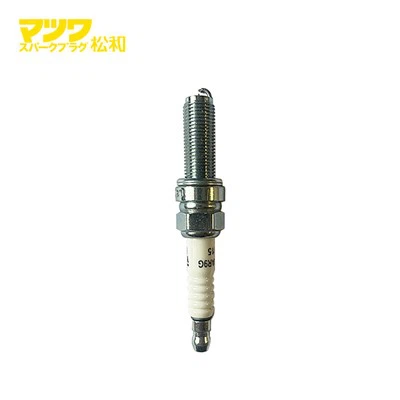
Motorcraft spark plugs are renowned for their reliability and performance, playing a crucial role in the ignition system of various vehicles. However, like any automotive component, they can experience fouling over time. As a trusted Motorcraft spark plug supplier, I've witnessed firsthand the issues that can lead to plug fouling. In this blog, we'll explore the common causes of Motorcraft spark plug fouling and provide insights on how to prevent it.
1. Fuel - Related Issues
One of the primary causes of spark plug fouling is improper fuel combustion. When the air - fuel mixture in the engine is not balanced correctly, it can lead to incomplete combustion, leaving behind deposits on the spark plugs.
Rich Fuel Mixture
A rich fuel mixture occurs when there is too much fuel and not enough air in the combustion chamber. This can be caused by a faulty fuel injector, a malfunctioning oxygen sensor, or a problem with the engine's computer system. When the fuel mixture is rich, the excess fuel doesn't burn completely. Instead, it leaves behind carbon deposits on the spark plugs. These carbon deposits can insulate the spark plug electrodes, preventing the spark from jumping across and igniting the air - fuel mixture. Over time, the build - up of carbon can lead to misfires and a decrease in engine performance.
Poor - Quality Fuel
Using low - quality fuel can also contribute to spark plug fouling. Low - quality fuels may contain impurities such as dirt, water, or additives that don't burn cleanly. These impurities can accumulate on the spark plugs, causing them to foul. For example, some fuels may have a high sulfur content, which can react with the oxygen in the combustion chamber to form sulfuric acid. This acid can corrode the spark plug electrodes and lead to premature fouling.
2. Oil Leakage
Oil leakage into the combustion chamber is another significant cause of spark plug fouling. When oil enters the combustion chamber, it can coat the spark plug electrodes, preventing the spark from forming properly.
Worn Piston Rings
Piston rings are responsible for sealing the combustion chamber and preventing oil from entering. Over time, these rings can wear out, allowing oil to seep past them and into the combustion chamber. As the oil burns along with the air - fuel mixture, it leaves behind oil deposits on the spark plugs. These oil deposits can be difficult to remove and can cause the spark plugs to foul quickly.
Valve Stem Seals
Valve stem seals also play a crucial role in preventing oil from entering the combustion chamber. If these seals become worn or damaged, oil can leak into the intake or exhaust ports and eventually reach the combustion chamber. Similar to worn piston rings, the oil will deposit on the spark plugs, leading to fouling.
3. Engine Overheating
Engine overheating can cause the spark plugs to foul prematurely. When the engine runs too hot, the combustion process becomes more intense, and the temperature in the combustion chamber can rise significantly.
Cooling System Issues
Problems with the cooling system, such as a malfunctioning radiator, a faulty water pump, or a clogged coolant passage, can cause the engine to overheat. When the engine is overheated, the spark plugs can experience excessive heat stress. This can cause the electrodes to erode more quickly and can also lead to the formation of deposits on the spark plugs. For example, the high temperatures can cause the fuel to break down into carbonaceous deposits that stick to the spark plugs.
Ignition Timing
Incorrect ignition timing can also contribute to engine overheating and spark plug fouling. If the spark plug fires too early or too late in the combustion cycle, it can cause the fuel to burn inefficiently. This can lead to increased heat generation in the combustion chamber and can cause the spark plugs to foul.
4. Driving Conditions
The way a vehicle is driven can also have an impact on spark plug fouling.
Short - Trip Driving
Short - trip driving is one of the most common driving conditions that can lead to spark plug fouling. When a vehicle is driven for short distances, the engine may not reach its optimal operating temperature. As a result, the combustion process is not as efficient, and the fuel may not burn completely. This can lead to the formation of carbon deposits on the spark plugs.
Stop - and - Go Traffic
Driving in stop - and - go traffic can also cause spark plug fouling. In stop - and - go traffic, the engine is constantly starting and stopping, and the vehicle is frequently idling. During idling, the air - fuel mixture in the combustion chamber may not be as well - mixed, and the combustion process may be less efficient. This can result in the build - up of carbon deposits on the spark plugs.
5. Incorrect Spark Plug Selection
Using the wrong type of spark plug for a particular engine can also lead to fouling. Motorcraft offers a wide range of spark plugs designed for different engines and applications. Each spark plug has specific heat ranges, electrode materials, and designs that are optimized for a particular engine's requirements.


Heat Range
The heat range of a spark plug is an important factor. If a spark plug has a heat range that is too hot for the engine, it can cause the electrodes to overheat and erode quickly. On the other hand, if the heat range is too cold, the spark plug may not get hot enough to burn off the deposits, leading to fouling.
Electrode Material
The electrode material of the spark plug can also affect its performance and susceptibility to fouling. For example, Double Iridium Motorcycle Spark Plugs are known for their durability and high - performance characteristics. However, if a different electrode material is used in an engine that requires a specific type, it may not perform as well and can lead to fouling.
Prevention and Solutions
To prevent Motorcraft spark plug fouling, it's important to address the underlying causes. Here are some preventive measures:
- Maintain the Fuel System: Regularly service the fuel injectors, oxygen sensors, and fuel filters to ensure a proper air - fuel mixture. Use high - quality fuel to reduce the risk of impurities.
- Check for Oil Leakage: Regularly inspect the engine for oil leaks. If you notice oil on the spark plugs, have the piston rings and valve stem seals checked and replaced if necessary.
- Keep the Engine Cool: Maintain the cooling system by flushing the coolant regularly, checking the radiator for blockages, and ensuring the water pump is working properly. Also, make sure the ignition timing is set correctly.
- Change Driving Habits: Whenever possible, avoid short - trip driving and extended periods of idling. Take longer drives to allow the engine to reach its optimal operating temperature.
- Select the Right Spark Plugs: Consult the vehicle's owner's manual or a professional mechanic to ensure you are using the correct Motorcraft spark plugs for your engine. For example, if you own a 2013 Honda Cbr250r, you should use the appropriate 2013 Honda Cbr250r Spark Plug. If you have a Kawasaki Ninja 400, choose the Kawasaki Ninja 400 Spark Plug.
As a Motorcraft spark plug supplier, we are committed to providing high - quality products and expert advice. If you are experiencing issues with spark plug fouling or need help selecting the right spark plugs for your vehicle, don't hesitate to contact us. We can assist you in finding the best solutions to keep your engine running smoothly. Whether you are a professional mechanic or a vehicle owner, we are here to support your needs. Reach out to us to start a procurement discussion and ensure your vehicles are equipped with the best Motorcraft spark plugs.
References
- Bosch Automotive Handbook, 8th Edition
- Chilton's Automotive Repair Manuals
- Motorcraft Technical Bulletins