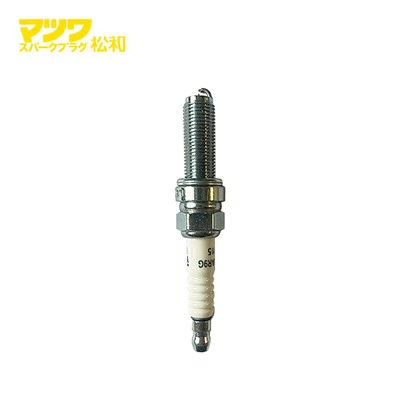
Proper torque is a critical factor in the installation of industrial spark plugs. As a leading supplier of industrial spark plugs, we understand the importance of getting this right. In this blog, we'll explore what the correct torque for industrial spark plug installation is, why it matters, and how to achieve it.
Why Torque Matters in Spark Plug Installation
Before delving into the correct torque values, it's essential to understand why torque is so crucial in the installation of industrial spark plugs. Torque refers to the rotational force applied when tightening a spark plug into the engine's cylinder head. When a spark plug is installed with the correct torque, it ensures a proper seal between the spark plug and the cylinder head. This seal is vital for several reasons.
First, it prevents combustion gases from leaking out of the cylinder. If gases leak, it can lead to a loss of engine power, increased fuel consumption, and potential damage to the engine components. Second, a proper seal also helps in heat transfer. Spark plugs need to dissipate heat effectively to prevent overheating, which can cause pre - ignition, engine knocking, and ultimately, engine failure.
Factors Affecting the Correct Torque
The correct torque for industrial spark plug installation is not a one - size - fits - all value. Several factors influence the appropriate torque, including:
Thread Size
The size of the spark plug threads plays a significant role in determining the torque. Generally, larger thread sizes require higher torque values. For example, a spark plug with a 14mm thread may have a different torque requirement compared to a 18mm thread spark plug. This is because larger threads have a greater surface area in contact with the cylinder head, and more force is needed to create a proper seal.
Spark Plug Design
Different types of industrial spark plugs have different designs, which can affect the torque. For instance, Prechamber Spark Plug designs are more complex than standard spark plugs. The pre - chamber design may require a specific torque to ensure that the pre - chamber functions correctly and that the overall combustion process is optimized.
Cylinder Head Material
The material of the cylinder head also impacts the torque. Aluminum cylinder heads are softer than cast - iron ones. When installing spark plugs in an aluminum cylinder head, lower torque values are typically used to avoid stripping the threads. On the other hand, cast - iron cylinder heads can withstand higher torque due to their greater hardness.
Typical Torque Values for Industrial Spark Plugs
While the specific torque values can vary widely depending on the factors mentioned above, here are some general guidelines for common industrial spark plug applications:
Small - to - Medium - Sized Industrial Engines
For small - to - medium - sized industrial engines, such as those used in some gas generator sets, spark plugs with a 14mm thread are commonly used. The typical torque range for these spark plugs is between 18 - 25 Nm (Newton - meters). These engines are often found in light - industrial applications, and getting the torque right is crucial for their efficient operation. You can find a wide range of Spark Plugs Of Gas Generator Sets in our product catalog.


Large - Scale Industrial Engines
In large - scale industrial engines, such as those used in heavy - duty industry applications, spark plugs with larger thread sizes, like 18mm, are more common. The torque for these spark plugs can range from 25 - 40 Nm. These engines are designed to handle high loads and continuous operation, and proper spark plug installation is essential for their long - term reliability. Our Heavy Duty Industry Spark Plugs are specifically engineered for such demanding applications.
How to Achieve the Correct Torque
To ensure that the industrial spark plugs are installed with the correct torque, the following steps should be followed:
Use a Torque Wrench
A torque wrench is an essential tool for spark plug installation. It allows you to apply a specific amount of torque accurately. When using a torque wrench, make sure it is calibrated correctly. An uncalibrated torque wrench can lead to over - or under - tightening of the spark plugs.
Follow the Manufacturer's Recommendations
Always refer to the engine manufacturer's specifications for the correct torque values. The manufacturer has conducted extensive testing to determine the optimal torque for their engines. Additionally, our product documentation also provides detailed information on the recommended torque for each type of spark plug we supply.
Clean the Threads
Before installing the spark plug, clean the threads in the cylinder head and on the spark plug itself. Any dirt, debris, or old thread sealant can affect the torque and the quality of the seal. Use a wire brush or a specialized thread cleaner to remove any contaminants.
Apply Anti - Seize (if recommended)
In some cases, the use of anti - seize compound on the spark plug threads is recommended. Anti - seize helps prevent the spark plug from seizing in the cylinder head, especially in high - temperature applications. However, it's important to note that the use of anti - seize can affect the torque values. If anti - seize is used, the recommended torque may need to be slightly reduced.
Consequences of Incorrect Torque
Installing industrial spark plugs with incorrect torque can have serious consequences for the engine.
Over - Tightening
Over - tightening a spark plug can cause several problems. It can strip the threads in the cylinder head, making it difficult or impossible to remove the spark plug later. Over - tightening can also crack the ceramic insulator on the spark plug, leading to electrical leakage and misfires. In extreme cases, it can even damage the cylinder head itself, resulting in costly repairs.
Under - Tightening
Under - tightening a spark plug is equally problematic. As mentioned earlier, it can lead to combustion gas leaks, which reduce engine performance and efficiency. Gas leaks can also cause the spark plug to overheat, as the proper heat transfer is disrupted. Over time, this can lead to premature spark plug failure and potential engine damage.
Conclusion
As an industrial spark plug supplier, we emphasize the importance of correct torque in spark plug installation. The correct torque ensures a proper seal, efficient heat transfer, and optimal engine performance. By considering factors such as thread size, spark plug design, and cylinder head material, and following the recommended installation procedures, you can ensure that your industrial engines operate at their best.
If you have any questions about the correct torque for your specific industrial spark plug application or if you're interested in purchasing high - quality industrial spark plugs, we encourage you to contact us for procurement discussions. Our team of experts is ready to assist you in finding the right spark plugs and providing you with all the necessary technical support.
References
- "Automotive Engine Repair Manual" - A comprehensive guide on engine components and installation procedures.
- Manufacturer's specifications for various industrial engines and spark plugs.