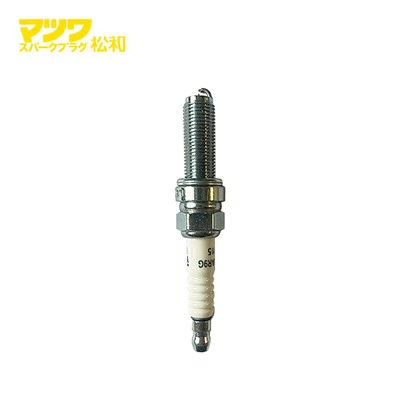
When it comes to the heart of a vehicle's ignition system, spark plugs play a pivotal role. They are responsible for igniting the air-fuel mixture in the combustion chamber, which powers the engine. As a leading supplier of spark plugs for vehicles, I often encounter customers who are confused about the differences between regular and racing spark plugs. In this blog post, I'll delve into the key distinctions between these two types of spark plugs to help you make an informed decision for your vehicle.
Construction and Materials
Regular spark plugs are designed for everyday driving and are built to meet the standard requirements of most vehicles. They typically feature a nickel alloy center electrode and a ground electrode. Nickel is a cost - effective material that offers decent durability and performance under normal driving conditions. The insulator is usually made of ceramic, which provides excellent electrical insulation and heat resistance.
On the other hand, racing spark plugs are engineered for high - performance applications. They often use precious metals such as platinum or iridium. Iridium Spark Plugs are particularly popular in racing because iridium is an extremely hard and corrosion - resistant metal. It allows for a very fine center electrode, which can produce a more focused and powerful spark. Double Platinum Spark Plugs also offer enhanced performance. They have platinum on both the center and ground electrodes, which reduces wear and extends the plug's lifespan.
Heat Range
The heat range of a spark plug is a crucial factor that affects its performance. It refers to the plug's ability to dissipate heat from the firing end to the engine's cooling system. Regular spark plugs are designed with a heat range that is suitable for normal driving conditions. They are calibrated to maintain an optimal temperature in the combustion chamber during typical stop - and - go traffic, highway cruising, and general commuting.
Racing spark plugs, however, often have a different heat range. Since racing engines operate at much higher speeds and loads, they generate a significant amount of heat. Racing spark plugs are designed with a colder heat range to prevent pre - ignition and detonation. A colder plug can transfer heat away from the firing end more quickly, ensuring that the spark plug does not overheat and cause engine damage.
Spark Energy and Ignition Performance
In terms of spark energy, racing spark plugs outperform regular ones. The fine electrodes in racing spark plugs, especially those made of iridium or platinum, require less voltage to produce a spark. This means that the ignition system can provide a more powerful and consistent spark, which leads to better combustion of the air - fuel mixture.
Regular spark plugs, while sufficient for normal driving, may not be able to deliver the same level of spark energy. In a high - performance engine, a weak spark can result in incomplete combustion, reduced power output, and increased fuel consumption. Racing spark plugs, with their superior ignition performance, can help engines achieve maximum power and efficiency, especially at high RPMs.
Durability and Longevity
Regular spark plugs are designed to last for a reasonable amount of time under normal driving conditions. They usually need to be replaced every 30,000 - 100,000 miles, depending on the vehicle and the type of plug. However, their durability can be affected by factors such as driving habits, engine conditions, and fuel quality.
Racing spark plugs, despite being used in more demanding environments, can actually have a relatively long lifespan if used correctly. The precious metals used in their construction, such as platinum and iridium, are highly resistant to wear and corrosion. This means that they can maintain their performance over a longer period, even under extreme racing conditions. However, it's important to note that the intense heat and stress of racing can still take a toll on them, and they may need to be inspected and replaced more frequently than regular spark plugs.
Cost
Cost is an important consideration for many vehicle owners. Regular spark plugs are generally more affordable. They are mass - produced and made from relatively inexpensive materials, which keeps the cost down. This makes them a practical choice for most everyday drivers who are looking for a reliable and cost - effective ignition solution.
Racing spark plugs, on the other hand, are more expensive. The use of precious metals and the advanced engineering required to meet high - performance standards contribute to their higher price tag. However, for racing enthusiasts and those who own high - performance vehicles, the investment in racing spark plugs can be justified by the improved performance and power they provide.
Compatibility
Not all vehicles are compatible with racing spark plugs. Regular vehicles are designed to work optimally with regular spark plugs. Installing racing spark plugs in a non - high - performance vehicle may not necessarily result in improved performance. In fact, it could potentially cause issues such as misfiring or poor fuel economy if the heat range and other specifications are not compatible with the engine.
Before switching to racing spark plugs, it's important to consult your vehicle's owner's manual or a professional mechanic. They can provide guidance on whether your vehicle can benefit from racing spark plugs and which specific type is suitable for your engine.
Applications
Regular spark plugs are the go - to choice for most passenger cars, SUVs, and light - duty trucks used for daily commuting and general transportation. They provide reliable ignition performance and are well - suited to the normal operating conditions of these vehicles.
Racing spark plugs, as the name suggests, are primarily used in high - performance vehicles such as race cars, sports cars, and modified engines. They are essential for achieving maximum power and performance on the track. Whether it's a drag race, circuit racing, or autocross, racing spark plugs can make a significant difference in a vehicle's acceleration, top speed, and overall handling.
Conclusion
In summary, the differences between regular and racing spark plugs are significant. Regular spark plugs are designed for everyday driving, offering a balance of cost, durability, and performance. They are suitable for most vehicles under normal operating conditions. Racing spark plugs, on the other hand, are engineered for high - performance applications. They feature advanced materials, different heat ranges, and superior ignition performance, which are essential for achieving maximum power and efficiency in high - stress racing environments.
If you're a racing enthusiast or own a high - performance vehicle, investing in racing spark plugs can be a wise decision. However, for the average driver, regular spark plugs will likely meet your needs. As a trusted supplier of Spark Plug For Volkswagen and other vehicle spark plugs, we can help you choose the right spark plugs for your specific requirements. Whether you need regular spark plugs for your daily commute or racing spark plugs for your high - performance machine, we have a wide range of products to meet your needs.
If you're interested in learning more about our spark plug products or have any questions regarding the selection of the right spark plugs for your vehicle, please feel free to contact us. Our team of experts is ready to assist you in making the best choice for your vehicle's ignition system.


References
- Bosch Automotive Handbook, 8th Edition
- NGK Spark Plugs Technical Manual
- Autolite Spark Plug Product Guide