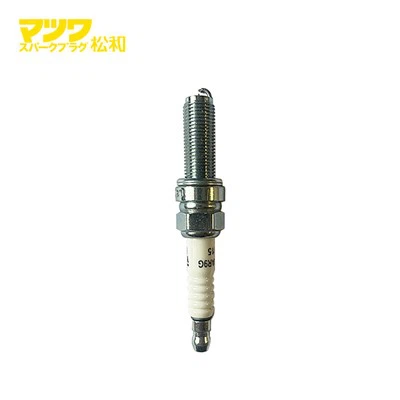
Electromagnetic interference (EMI) is a critical concern in various industries, especially when it comes to industrial spark plugs. As a leading supplier of industrial spark plugs, we understand the significance of EMI and its impact on the performance of industrial equipment. In this blog post, we will delve into what electromagnetic interference of industrial spark plugs is, its causes, effects, and how to mitigate it.
Understanding Electromagnetic Interference (EMI)
Electromagnetic interference refers to the disturbance that affects an electrical circuit due to either electromagnetic induction or electromagnetic radiation emitted from an external source. In the context of industrial spark plugs, EMI is generated during the ignition process. When an industrial spark plug fires, it creates a high - voltage electrical arc across the electrodes. This rapid change in current and voltage generates electromagnetic waves that can spread out into the surrounding environment.
The ignition system in industrial engines, where spark plugs play a central role, is a significant source of EMI. The high - energy sparks produced by industrial spark plugs are similar to small electrical discharges, and these discharges can radiate electromagnetic energy over a wide range of frequencies.
Causes of EMI in Industrial Spark Plugs
1. High - Voltage Discharges
The primary cause of EMI in industrial spark plugs is the high - voltage discharges that occur during the ignition process. In industrial applications, the ignition systems often operate at much higher voltages compared to automotive systems. For example, in large gas engines used in power generation, the ignition voltage can reach several tens of thousands of volts. These high - voltage pulses create strong electromagnetic fields that can interfere with other electrical and electronic systems in the vicinity.
2. Spark Plug Design
The design of the spark plug can also contribute to EMI. Spark plugs with exposed electrodes or poor insulation can allow electromagnetic radiation to escape more easily. Additionally, the shape and material of the electrodes can affect the way the spark is formed and the amount of EMI generated. For instance, electrodes with sharp edges may produce more erratic sparks, which in turn generate more EMI.
3. Ignition System Components
The other components of the ignition system, such as the ignition coils and spark plug wires, can also be sources of EMI. Faulty or poorly designed ignition coils can produce uneven voltage pulses, leading to increased EMI. Similarly, worn - out or low - quality spark plug wires can leak electromagnetic energy, causing interference.
Effects of EMI on Industrial Equipment
1. Malfunction of Electronic Systems
EMI from industrial spark plugs can cause malfunctions in nearby electronic systems. In modern industrial settings, there are numerous electronic control units (ECUs), sensors, and communication devices. These devices are sensitive to electromagnetic interference. For example, EMI can disrupt the signals transmitted between sensors and ECUs, leading to inaccurate readings and improper control of the industrial equipment. This can result in reduced efficiency, increased emissions, and even equipment breakdown.
2. Radio Frequency Interference (RFI)
The electromagnetic waves generated by industrial spark plugs can also interfere with radio frequency (RF) communication systems. In industrial areas where wireless communication is essential for monitoring and controlling equipment, RFI can disrupt the signals, leading to communication failures. This can be a significant problem in industries such as mining, where reliable communication is crucial for safety and operational efficiency.


3. Safety Risks
In some cases, EMI can pose safety risks. For example, in industrial environments where there are explosive gases or dust, the interference can affect the operation of safety devices such as gas detectors and fire alarms. If these safety devices malfunction due to EMI, it can lead to a dangerous situation where potential hazards go undetected.
Mitigating Electromagnetic Interference in Industrial Spark Plugs
1. Spark Plug Design Improvements
As a supplier of industrial spark plugs, we focus on designing spark plugs that minimize EMI. This includes using materials with good electromagnetic shielding properties. For example, we can coat the spark plug body with conductive materials that absorb and redirect the electromagnetic energy. Additionally, we design the electrodes in a way that produces a more stable and controlled spark, reducing the amount of EMI generated.
2. Ignition System Optimization
Optimizing the entire ignition system is crucial for reducing EMI. This involves using high - quality ignition coils and spark plug wires that are designed to minimize electromagnetic leakage. We recommend using shielded spark plug wires that can prevent the electromagnetic energy from escaping. Regular maintenance of the ignition system, such as replacing worn - out components, can also help reduce EMI.
3. EMI Filters
Installing EMI filters in the electrical circuits can be an effective way to reduce the impact of electromagnetic interference. These filters are designed to block or attenuate the unwanted electromagnetic frequencies while allowing the desired electrical signals to pass through. We can provide guidance on the appropriate type and size of EMI filters for different industrial applications.
Our Product Range and EMI Considerations
We offer a wide range of industrial spark plugs, including Heavy Duty Industry Spark Plugs, Gas Engine Industry Spark Plugs, and Prechamber Spark Plug. Each of these products is designed with EMI reduction in mind.
Our heavy - duty industry spark plugs are built to withstand the harsh conditions of industrial applications while minimizing electromagnetic interference. They are used in large - scale industrial engines, such as those in power plants and heavy machinery. Our gas engine industry spark plugs are specifically optimized for gas - fueled engines, where EMI can have a significant impact on engine performance and emissions control. The prechamber spark plugs, on the other hand, are designed for engines with a prechamber combustion system, and they are engineered to provide a reliable ignition while reducing EMI.
Contact Us for Your Industrial Spark Plug Needs
If you are looking for high - quality industrial spark plugs that are designed to minimize electromagnetic interference, we are here to help. Our team of experts can provide you with detailed information about our products, their performance, and how they can meet your specific requirements. Whether you are in the power generation, manufacturing, or any other industrial sector, we have the right spark plugs for your application.
We understand the importance of reliable ignition systems in industrial operations, and we are committed to providing you with products that not only perform well but also comply with the strictest electromagnetic compatibility (EMC) standards. Contact us today to start a conversation about your industrial spark plug needs and how we can help you optimize your equipment's performance.
References
- "Electromagnetic Compatibility Engineering" by Henry W. Ott, Wiley-IEEE Press.
- "Automotive Ignition Systems: Principles, Diagnosis, and Service" by James D. Halderman, Cengage Learning.
- Industry reports on industrial engine performance and electromagnetic interference from leading research firms.