As a seasoned supplier of aircraft spark plugs, I've witnessed firsthand the critical role these small yet mighty components play in the aviation industry. In this blog, I'll delve into the functions of aircraft spark plugs, their importance, and how they contribute to the smooth operation of aircraft engines.
The Basics of Aircraft Spark Plugs
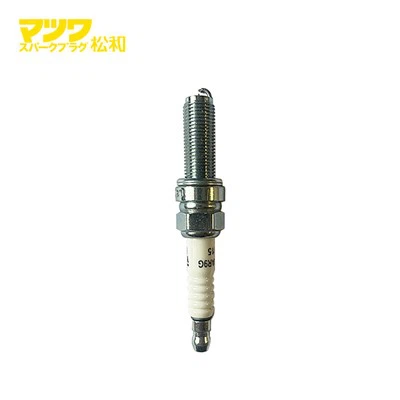
Aircraft spark plugs are essential ignition components in piston - engine aircraft. Similar to their automotive counterparts, they are designed to create a spark that ignites the air - fuel mixture within the engine's combustion chamber. However, the demands placed on aircraft spark plugs are far more stringent due to the unique operating conditions of aircraft engines.
In an aircraft engine, the spark plug is located at the top of the combustion chamber. When the piston compresses the air - fuel mixture, the spark plug fires at the precise moment, initiating combustion. This combustion generates a rapid expansion of gases, which forces the piston down, converting chemical energy into mechanical energy that powers the aircraft.
Ignition Function
The primary function of an aircraft spark plug is to provide a reliable ignition source. The spark plug creates a high - voltage electrical arc across its electrodes, which is hot enough to ignite the compressed air - fuel mixture. This ignition process must be precise and consistent to ensure efficient engine operation.
The timing of the spark is crucial. If the spark occurs too early, the expanding gases may push against the rising piston, causing engine knocking and potentially damaging the engine. On the other hand, if the spark occurs too late, the combustion may not be complete, resulting in reduced power output, increased fuel consumption, and higher emissions.
Heat Dissipation
Another important function of aircraft spark plugs is heat dissipation. During the combustion process, a large amount of heat is generated in the combustion chamber. The spark plug must be able to transfer this heat away from the combustion chamber to prevent overheating.
The heat range of a spark plug is a measure of its ability to dissipate heat. A spark plug with a high heat range will run hotter, which is suitable for engines that operate at low - load conditions or have a rich air - fuel mixture. Conversely, a spark plug with a low heat range will run cooler and is better suited for high - performance engines that operate at high - load conditions or have a lean air - fuel mixture.
Combustion Chamber Sealing
Aircraft spark plugs also play a role in sealing the combustion chamber. The spark plug is threaded into the cylinder head, creating a tight seal that prevents the escape of compressed gases during the compression and combustion strokes. A proper seal is essential for maintaining the engine's compression ratio, which directly affects engine performance and efficiency.
If the spark plug seal is compromised, it can lead to a loss of compression, reduced power output, and potential engine misfires. This can be caused by factors such as improper installation, worn - out gaskets, or damaged threads.
Types of Aircraft Spark Plugs
There are several types of aircraft spark plugs available on the market, each designed to meet specific engine requirements. Two common types are platinum and piston - engine aircraft model spark plugs.
Platinum Aircraft Model Spark Plugs are known for their durability and long service life. Platinum is a noble metal that resists corrosion and wear, making it ideal for use in spark plug electrodes. These spark plugs can provide consistent performance over a longer period, reducing the need for frequent replacements.
Piston Engine Aircraft Model Spark Plugs are specifically designed for piston - engine aircraft. They are engineered to withstand the high - pressure and high - temperature conditions of piston - engine operation. These spark plugs are available in different heat ranges and electrode designs to suit various engine models and operating conditions.
Importance of Quality Aircraft Spark Plugs
Using high - quality aircraft spark plugs is essential for the safety and performance of an aircraft. Inferior spark plugs can lead to a variety of problems, including engine misfires, reduced power output, increased fuel consumption, and even engine failure.
In addition, aircraft spark plugs are subject to strict regulatory requirements. They must meet the standards set by aviation authorities such as the Federal Aviation Administration (FAA) in the United States. As a supplier, we ensure that all our spark plugs comply with these regulations, providing our customers with peace of mind and confidence in their aircraft's ignition system.
Maintenance and Replacement
Regular maintenance and replacement of aircraft spark plugs are crucial for optimal engine performance. Spark plugs should be inspected at regular intervals for signs of wear, fouling, or damage. Fouling can occur when deposits accumulate on the electrodes, which can interfere with the spark and cause engine misfires.
The frequency of spark plug replacement depends on several factors, including the type of engine, operating conditions, and manufacturer recommendations. In general, spark plugs should be replaced every 50 - 100 hours of flight time or as specified by the aircraft's maintenance manual.


Conclusion
In conclusion, aircraft spark plugs are vital components in piston - engine aircraft. Their functions of ignition, heat dissipation, and combustion chamber sealing are essential for the efficient and reliable operation of the engine. As a supplier of aircraft spark plugs, we understand the importance of providing high - quality products that meet the strict requirements of the aviation industry.
If you're in the market for aircraft spark plugs or have any questions about our products, we invite you to contact us for a procurement discussion. Our team of experts is ready to assist you in finding the right spark plugs for your aircraft's needs.
References
- FAA Advisory Circulars on Aircraft Engine Maintenance
- Aircraft Engine Manufacturer's Maintenance Manuals
- Technical Papers on Spark Plug Technology in Aviation