Hey there, aviation enthusiasts! As a supplier of aircraft spark plugs, I've seen firsthand how crucial these little components are for flight performance. Today, I want to talk about what happens when a spark plug fails and how it can impact your flight.
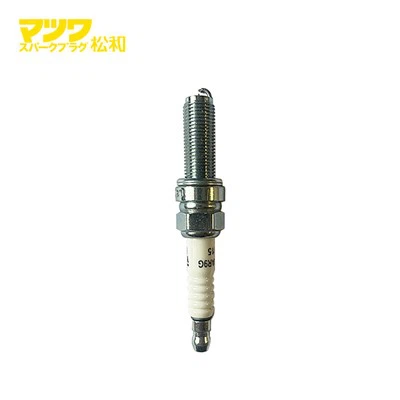
First off, let's understand what a spark plug does. In a piston - engine aircraft, the spark plug is responsible for igniting the air - fuel mixture in the combustion chamber. When the right amount of air and fuel is compressed in the chamber, the spark plug creates a spark that sets off the explosion. This explosion pushes the piston down, which in turn drives the crankshaft and powers the propeller.
So, what happens when a spark plug fails? Well, there are a few different scenarios, and each can have a significant impact on flight performance.
Misfiring
One of the most common signs of a failing spark plug is misfiring. A misfire occurs when the spark plug fails to ignite the air - fuel mixture at the right time or fails to ignite it at all. When this happens, the engine loses power. You might notice a rough running engine, vibrations, or a decrease in RPM (revolutions per minute).
In a single - engine aircraft, a misfire can be really concerning. The engine is already relying on a limited number of cylinders to produce power. If one cylinder isn't firing properly due to a bad spark plug, the overall power output of the engine drops. This can make it difficult to maintain altitude, especially when climbing. You might find yourself struggling to reach your desired cruising altitude or having to use more throttle than usual to stay in the air.
In a multi - engine aircraft, a misfire in one cylinder might not be as immediately catastrophic, but it still affects performance. The imbalance in power between cylinders can cause vibrations that make the flight less comfortable for passengers and crew. Over time, these vibrations can also put additional stress on other engine components, leading to more problems down the line.
Fouling
Another issue that can lead to spark plug failure is fouling. Fouling occurs when deposits build up on the spark plug electrodes. These deposits can be caused by a variety of factors, such as oil leaks, rich fuel mixtures, or low - quality fuel.
When a spark plug is fouled, the spark might not be able to jump across the electrodes effectively. This can result in weak or inconsistent ignition. Similar to misfiring, fouled spark plugs can cause the engine to run rough. You might experience a loss of power, poor fuel efficiency, and even engine hesitation.
Poor fuel efficiency is a big deal in aviation. The more fuel an aircraft burns, the shorter its range. If you're planning a long - distance flight and your spark plugs are fouled, you might find yourself having to make unexpected stops to refuel. This not only adds time to your journey but also increases the overall cost of the flight.
Overheating
A failed spark plug can also lead to overheating. When the air - fuel mixture isn't ignited properly, unburned fuel can enter the exhaust system. This unburned fuel can then ignite in the exhaust, causing a phenomenon known as after - burning. After - burning can raise the temperature in the exhaust system and the engine, leading to overheating.
Overheating is extremely dangerous for an aircraft engine. High temperatures can cause damage to engine components such as pistons, valves, and cylinder heads. In severe cases, overheating can lead to engine failure, which is a life - threatening situation in flight.
Impact on Safety
Beyond the performance issues, a failed spark plug can also have a major impact on safety. In flight, you rely on your engine to keep you in the air. If a spark plug failure causes a significant loss of power or engine failure, you're in a precarious situation. You might have to make an emergency landing, which is always a high - stress situation.


Even if the engine doesn't completely fail, the reduced performance can make it difficult to handle the aircraft in adverse weather conditions or during takeoff and landing. For example, if you're taking off with a bad spark plug and the engine doesn't have enough power, you might not be able to achieve the necessary speed and altitude to clear obstacles.
How to Prevent Spark Plug Failure
As an aircraft spark plug supplier, I always recommend regular maintenance and inspection of spark plugs. It's important to follow the manufacturer's guidelines for spark plug replacement intervals. Generally, spark plugs in aircraft engines should be replaced every 100 - 200 flight hours, depending on the type of engine and the operating conditions.
Using high - quality spark plugs is also crucial. We offer a wide range of spark plugs, including Piston Engine Aircraft Model Spark Plugs and Platinum Aircraft Model Spark Plugs. These spark plugs are designed to provide reliable ignition and long - lasting performance.
In addition to regular replacement, proper engine operation can also help prevent spark plug failure. Avoid running the engine at low RPMs for extended periods, as this can lead to fouling. Make sure to use the recommended grade of fuel and oil, and keep an eye on engine parameters such as temperature and RPM during flight.
Conclusion
In conclusion, a failed spark plug can have a profound impact on flight performance and safety. From misfiring and fouling to overheating, the problems caused by a bad spark plug can range from minor annoyances to life - threatening situations.
As an aircraft owner or operator, it's essential to take good care of your spark plugs. Regular maintenance, using high - quality products, and proper engine operation are key to ensuring that your spark plugs perform at their best.
If you're in the market for new aircraft spark plugs or have any questions about spark plug maintenance, don't hesitate to reach out. We're here to help you keep your aircraft flying smoothly and safely. Let's start a conversation about your specific needs and how we can provide the best spark plug solutions for your aircraft.
References
- FAA (Federal Aviation Administration) - Aircraft Maintenance Manuals
- Aircraft Engine Manufacturers' Technical Publications
- General Aviation Maintenance Handbooks