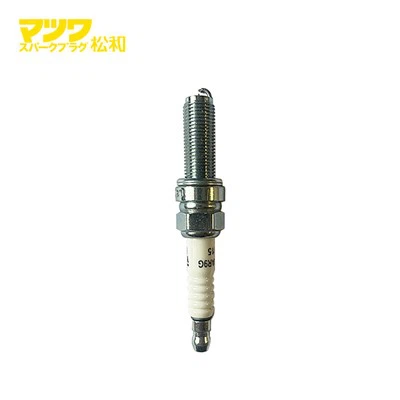
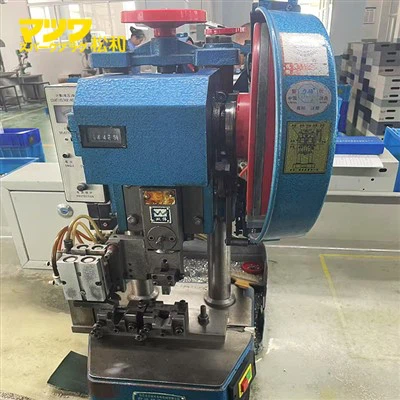
Maintaining a machine for spark plugs is a crucial aspect of ensuring its optimal performance, longevity, and the quality of the spark plugs it produces. As a dedicated supplier of machines for spark plugs, I understand the significance of proper maintenance in the manufacturing process. In this blog, I will delve into the various aspects of maintaining these machines, from routine checks to in - depth servicing.
Routine Checks
Routine checks are the first line of defense in machine maintenance. They should be carried out on a daily or weekly basis, depending on the machine's usage frequency.
Visual Inspection
A visual inspection is a simple yet effective way to start. Look for any signs of wear and tear on the machine's exterior. Check for loose bolts, screws, or any visible damage to the machine's frame. For example, if there are any cracks in the housing of the Fully Automatic Resistance Powder Equipment, it could lead to powder leakage and affect the quality of the spark plugs.
Inspect the conveyor belts, if applicable. Ensure that they are properly aligned and there are no signs of fraying or excessive stretching. Misaligned conveyor belts can cause misplacement of spark plug components during the assembly process, leading to defective products.
Lubrication
Lubrication is essential for the smooth operation of moving parts. Different parts of the machine, such as gears, bearings, and pistons, require regular lubrication. Use the lubricants recommended by the machine's manufacturer. Over - lubrication can attract dust and debris, while under - lubrication can cause excessive friction and wear.
For the Automatic Spark Plug Assembly Equiment, proper lubrication of the assembly arms is crucial. These arms are responsible for precisely placing components together, and any friction can lead to inaccurate assembly and reduced product quality.
Cleaning
Regular cleaning of the machine is vital. Remove any dust, debris, or powder residues that may have accumulated on the machine's surface. Pay special attention to areas around sensors and control panels. Dust on sensors can cause false readings, leading to malfunctions in the machine's operation.
In the case of the Spark Plug Fully Automatic Printing Equipment, keeping the printing heads clean is essential. Ink residues or debris on the printing heads can result in smudged or incomplete prints on the spark plugs.
Periodic Servicing
In addition to routine checks, periodic servicing is necessary to ensure the long - term health of the machine.
Calibration
Calibration is a critical part of periodic servicing. Machines for spark plugs need to be calibrated regularly to ensure accurate production. For example, the resistance powder filling amount in the Fully Automatic Resistance Powder Equipment needs to be calibrated precisely. Incorrect calibration can lead to spark plugs with inconsistent resistance values, which can affect their performance in engines.
The printing alignment in the Spark Plug Fully Automatic Printing Equipment also requires calibration. A misaligned print can make the spark plugs look unprofessional and may even affect their marketability.
Component Replacement
Over time, certain components of the machine will wear out and need to be replaced. Components such as seals, gaskets, and filters are common items that require regular replacement. Seals and gaskets prevent leaks, while filters ensure that the air and fluids used in the machine are clean.
In the Automatic Spark Plug Assembly Equiment, worn - out assembly tools may need to be replaced. These tools are responsible for the precise fitting of spark plug components, and using worn - out tools can lead to poor - quality assemblies.
Electrical System Check
The electrical system of the machine is another area that needs thorough inspection during periodic servicing. Check the wiring for any signs of damage, such as fraying or exposed wires. Loose connections can cause electrical malfunctions, which may lead to machine breakdowns or even pose a safety hazard.
Inspect the control panels and sensors. Test the functionality of the sensors to ensure that they are providing accurate readings. Faulty sensors can cause the machine to operate incorrectly, resulting in defective spark plugs.
Training and Documentation
Proper maintenance also involves training the machine operators and maintaining detailed documentation.
Operator Training
Machine operators should be trained on the proper maintenance procedures. They should know how to perform routine checks, recognize early signs of problems, and report any issues promptly. Training can also include safety procedures to ensure that operators are protected while working on the machine.
For example, operators of the Fully Automatic Resistance Powder Equipment should be trained on how to handle the powder safely and how to clean the equipment to prevent powder contamination.
Documentation
Maintaining detailed documentation of the machine's maintenance history is essential. This includes records of routine checks, servicing, component replacements, and any repairs. Documentation helps in tracking the machine's performance over time and can be useful for troubleshooting future problems.
It also provides valuable information for warranty claims. If there are any issues with the machine during the warranty period, having a complete maintenance record can help prove that the machine was properly maintained.
Importance of Maintenance
Proper maintenance of machines for spark plugs offers several benefits. Firstly, it ensures the quality of the spark plugs produced. Well - maintained machines are more likely to produce consistent, high - quality spark plugs that meet industry standards.
Secondly, it reduces downtime. Regular maintenance helps in identifying and fixing problems before they become major issues. This means that the machine can operate continuously, increasing production efficiency.
Finally, it extends the lifespan of the machine. By taking care of the machine, you can avoid premature wear and tear, which can save on replacement costs in the long run.
Conclusion
In conclusion, the maintenance of a machine for spark plugs is a comprehensive process that involves routine checks, periodic servicing, operator training, and documentation. As a supplier of these machines, I am committed to providing not only high - quality equipment but also guidance on how to maintain them properly.
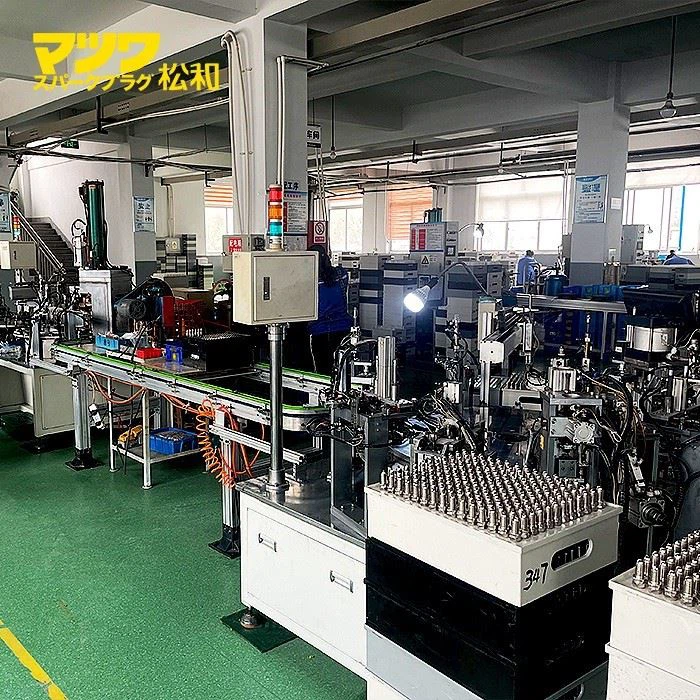

If you are in the market for machines for spark plugs or need advice on machine maintenance, I encourage you to reach out for a procurement discussion. Our team of experts is ready to assist you in finding the right solutions for your manufacturing needs.
References
- Industry standards for spark plug manufacturing equipment maintenance.
- Manufacturer's manuals for Fully Automatic Resistance Powder Equipment, Spark Plug Fully Automatic Printing Equipment, and Automatic Spark Plug Assembly Equiment.
- Technical papers on the maintenance of industrial manufacturing machines.