In the realm of truck engine performance, the relationship between truck spark plugs and the engine's compression ratio is a topic of utmost importance. As a supplier of high - quality truck spark plugs, I've witnessed firsthand how these two elements interact to influence the overall functionality and efficiency of a truck's engine.
Understanding the Basics: Spark Plugs and Compression Ratio
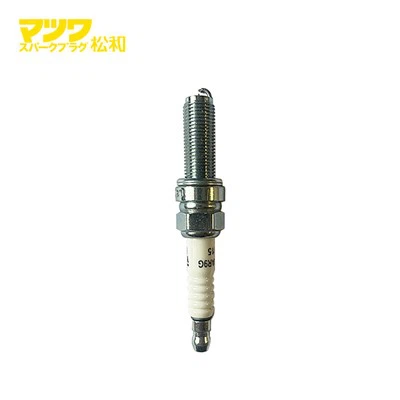
Let's start by defining these two key components. A spark plug is a crucial part of the ignition system in a combustion engine. Its primary function is to create a spark that ignites the air - fuel mixture in the engine's combustion chamber. When the spark occurs at the right moment, it initiates the combustion process, which in turn generates the power needed to move the vehicle.
On the other hand, the engine's compression ratio is a measure of how much the air - fuel mixture is compressed within the combustion chamber before ignition. It is calculated by dividing the volume of the combustion chamber when the piston is at the bottom of its stroke (bottom dead center) by the volume when the piston is at the top of its stroke (top dead center). For example, a compression ratio of 10:1 means that the air - fuel mixture is compressed to one - tenth of its original volume before ignition.
The Impact of Compression Ratio on Spark Plug Requirements
The compression ratio of an engine has a significant impact on the type of spark plug that is most suitable. High - compression engines, which compress the air - fuel mixture to a greater extent, require spark plugs that can withstand higher pressures and temperatures. In these engines, the combustion process is more intense, and the spark plug needs to be able to generate a strong and consistent spark under these extreme conditions.
For instance, in a high - performance truck engine with a compression ratio of 12:1 or higher, a spark plug with a colder heat range is often recommended. The heat range of a spark plug refers to its ability to dissipate heat. A colder spark plug has a shorter insulator nose, which allows it to transfer heat more quickly to the cylinder head. This helps prevent pre - ignition and detonation, which can cause engine damage.
Conversely, low - compression engines, with compression ratios around 8:1 or lower, operate under less extreme conditions. These engines can typically use spark plugs with a hotter heat range. A hotter spark plug has a longer insulator nose, which retains more heat. This is beneficial in low - compression engines because it helps ensure reliable ignition, especially in cold - start situations.
How Spark Plugs Affect Engine Performance in Different Compression Ratios
The quality and suitability of the spark plug can also have a profound effect on the performance of an engine with a specific compression ratio. In high - compression engines, a well - matched spark plug can enhance power output and fuel efficiency. A strong and consistent spark ensures complete combustion of the air - fuel mixture, which maximizes the energy released during the combustion process. This results in more power being transferred to the wheels and better fuel economy.
In low - compression engines, the right spark plug can improve idle quality and throttle response. A spark plug that provides a reliable spark helps the engine run smoothly at low speeds and ensures a quick and smooth acceleration when the throttle is opened.
Choosing the Right Spark Plug for Your Truck's Engine Compression Ratio
As a truck spark plug supplier, I understand the importance of helping customers choose the right spark plug for their engine's compression ratio. When selecting a spark plug, it's essential to consider not only the compression ratio but also other factors such as the engine's design, fuel type, and intended use of the truck.
For example, if you have a truck with a high - compression diesel engine, you'll need a spark plug that is specifically designed for diesel engines. Diesel engines operate under different principles than gasoline engines, and they require spark plugs that can handle the higher compression ratios and the unique combustion characteristics of diesel fuel.
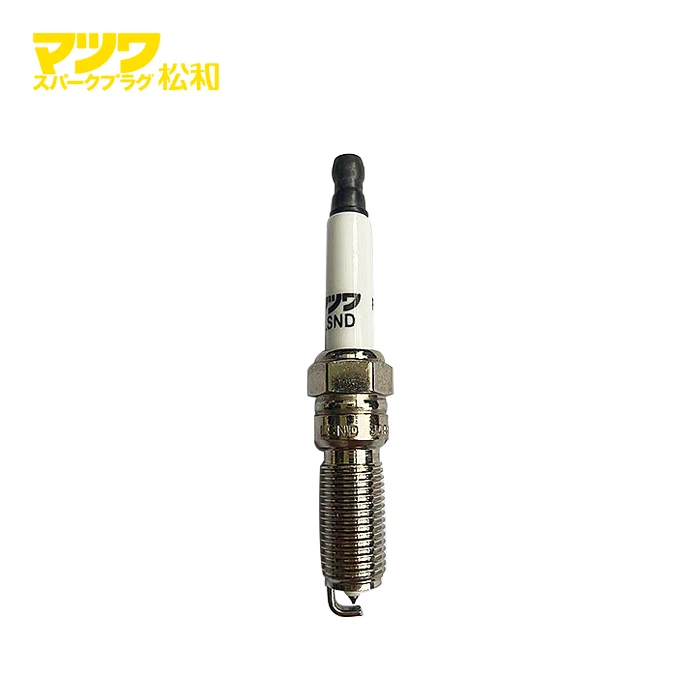
We offer a wide range of spark plugs suitable for different engine compression ratios. For trucks with high - compression engines, we recommend our premium - grade spark plugs with a cold heat range. These spark plugs are made from high - quality materials and are designed to provide reliable performance under extreme conditions.
If you have a truck with a low - compression engine, our standard - grade spark plugs with a hot heat range are an excellent choice. These spark plugs are cost - effective and offer reliable ignition performance in less demanding engine environments.
Examples of Spark Plugs for Different Vehicle Brands
We also provide spark plugs for various vehicle brands. If you own a Land Rover, you can check out our Spark Plug For Land Rover. These spark plugs are designed to meet the specific requirements of Land Rover engines, taking into account their compression ratios and performance characteristics.
For Honda truck owners, our Spark Plug For Honda are a great option. We have carefully selected and engineered these spark plugs to ensure optimal performance in Honda engines, whether they are high - or low - compression.
And if you drive a Buick truck, our Spark Plug For Buick are tailored to the unique needs of Buick engines. These spark plugs are tested to provide a consistent spark and reliable ignition, regardless of the engine's compression ratio.
Importance of Regular Spark Plug Maintenance
Regardless of the compression ratio of your truck's engine, regular spark plug maintenance is crucial. Over time, spark plugs can wear out due to the high temperatures and pressures they are exposed to. Worn - out spark plugs can cause a variety of problems, including misfires, reduced fuel efficiency, and poor engine performance.
It's recommended to replace spark plugs at the intervals specified by the vehicle manufacturer. This ensures that the engine continues to operate at its best and that the relationship between the spark plug and the compression ratio remains optimal.

Conclusion and Call to Action
In conclusion, the relationship between truck spark plugs and the engine's compression ratio is a complex but vital aspect of truck engine performance. Choosing the right spark plug based on the compression ratio of your engine can enhance power, fuel efficiency, and overall reliability.
As a leading truck spark plug supplier, we are committed to providing high - quality spark plugs that are tailored to the specific needs of different engines. Whether you have a high - compression or low - compression truck engine, we have the right spark plug for you.
If you're interested in learning more about our spark plugs or would like to discuss your specific requirements, please feel free to reach out. We are here to assist you in making the best choice for your truck's engine.
References
- Heywood, J. B. (1988). Internal Combustion Engine Fundamentals. McGraw - Hill.
- Taylor, C. F. (1985). The Internal Combustion Engine in Theory and Practice. MIT Press.