What is the voltage of a lawn mower spark plug?
As a supplier of Lawn Mower Spark Plugs, I often get asked about the voltage of a lawn mower spark plug. It's a crucial question because understanding the voltage requirements of these spark plugs is essential for the proper functioning of lawn mowers. In this blog post, I'll delve into the details of lawn mower spark plug voltage, what factors affect it, and why it matters.
Understanding the Basics of Spark Plug Voltage
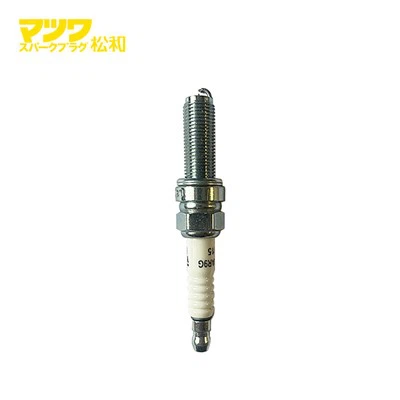
To start with, let's understand what spark plug voltage actually means. A spark plug is a small but vital component in an internal combustion engine, including those in lawn mowers. Its main function is to create an electric spark that ignites the air - fuel mixture in the engine's combustion chamber. The voltage of a spark plug refers to the electrical potential difference required to generate this spark.
In a lawn mower, the ignition system is responsible for providing the necessary voltage to the spark plug. The voltage needs to be high enough to overcome the resistance in the spark plug gap and create a strong, consistent spark. Typically, the voltage required for a lawn mower spark plug to fire ranges from 10,000 to 30,000 volts. This high voltage is necessary because the air - fuel mixture in the combustion chamber is under pressure, and it takes a significant amount of energy to break through the gap in the spark plug and ignite the mixture.
How the Ignition System Works
The ignition system in a lawn mower is designed to generate the high voltage needed for the spark plug. It usually consists of a magneto or a battery - powered ignition coil.
Magneto - Based Ignition Systems
Many small lawn mowers use magneto - based ignition systems. A magneto is a self - contained device that generates electricity when a magnet rotates past a coil of wire. As the engine's crankshaft rotates, the magnet on the flywheel passes by the ignition coil, inducing an electrical current. This current is then stepped up to a high voltage through a process called electromagnetic induction. The high - voltage current is then sent to the spark plug, where it creates a spark.
Battery - Powered Ignition Systems
Some larger or more advanced lawn mowers use battery - powered ignition systems. In these systems, the battery provides a low - voltage current to the ignition coil. The ignition coil then steps up this low voltage to the high voltage required by the spark plug. This type of system offers more consistent performance and can be more reliable in cold weather conditions compared to magneto - based systems.
Factors Affecting Spark Plug Voltage
Several factors can affect the voltage requirements of a lawn mower spark plug:
Spark Plug Gap
The gap between the electrodes of the spark plug is a critical factor. A wider gap requires a higher voltage to create a spark because there is more distance for the electrical current to jump. If the gap is too wide, the ignition system may not be able to provide enough voltage, resulting in a weak or no spark. On the other hand, if the gap is too narrow, the spark may not be strong enough to ignite the air - fuel mixture properly.

Compression Ratio
The compression ratio of the engine also affects the voltage requirements. A higher compression ratio means that the air - fuel mixture is compressed more tightly in the combustion chamber. This increased pressure makes it more difficult for the spark to ignite the mixture, so a higher voltage is needed. Lawn mowers with high - performance engines or those designed for heavy - duty use often have higher compression ratios and, therefore, require higher spark plug voltages.
Air - Fuel Mixture
The composition of the air - fuel mixture can also impact the spark plug voltage. A lean mixture (more air and less fuel) is more difficult to ignite than a rich mixture (more fuel and less air). If the mixture is too lean, the ignition system may need to provide a higher voltage to create a spark that can ignite the mixture.
Importance of the Right Spark Plug Voltage
Using the correct spark plug voltage is crucial for the proper operation of a lawn mower. Here's why:
Efficient Combustion
A proper spark plug voltage ensures efficient combustion of the air - fuel mixture. When the spark is strong and consistent, the mixture burns completely, which leads to better engine performance, increased fuel efficiency, and lower emissions.
Engine Reliability
If the spark plug voltage is too low, the engine may misfire, which can cause rough running, reduced power, and even damage to the engine over time. On the other hand, if the voltage is too high, it can cause excessive wear on the spark plug electrodes and other ignition system components.
Longevity of Components
By providing the right voltage, the spark plug and other ignition system components will last longer. This reduces the need for frequent replacements and saves on maintenance costs.
Choosing the Right Spark Plug
As a supplier of Lawn Mower Spark Plugs, I understand the importance of choosing the right spark plug for your lawn mower. When selecting a spark plug, you need to consider the voltage requirements of your engine, as well as other factors such as the heat range and electrode material.
The heat range of a spark plug refers to its ability to dissipate heat. A spark plug with the wrong heat range can cause problems such as fouling or overheating. The electrode material also plays a role in the performance and longevity of the spark plug. Platinum and iridium electrodes are more durable and can provide a more consistent spark compared to copper electrodes.
Conclusion
In conclusion, the voltage of a lawn mower spark plug is a critical aspect of its operation. It typically ranges from 10,000 to 30,000 volts, and the ignition system in the lawn mower is designed to generate this high voltage. Factors such as the spark plug gap, compression ratio, and air - fuel mixture can affect the voltage requirements. Choosing the right spark plug with the appropriate voltage and other specifications is essential for the efficient and reliable operation of your lawn mower.
If you're in the market for high - quality lawn mower spark plugs, I encourage you to reach out to discuss your specific needs. Whether you have questions about voltage requirements, heat ranges, or electrode materials, I'm here to help. Contact me to start a conversation about how we can meet your lawn mower spark plug needs.
References
- "Small Engine Repair Manual" - A comprehensive guide on small engine components and operation, including ignition systems.
- Manufacturer's specifications for various lawn mower models, which provide detailed information on spark plug requirements.