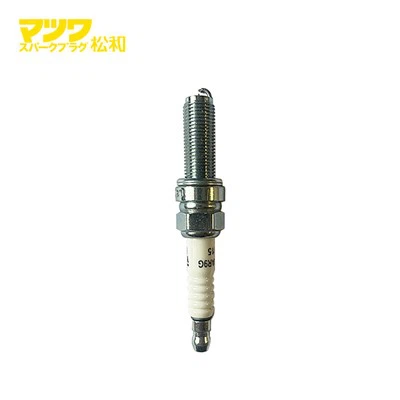
When it comes to the installation of aircraft spark plugs, one of the most critical factors that often gets overlooked is the appropriate torque. As a reputable supplier of aircraft spark plugs, I understand the significance of this seemingly small detail and its far - reaching impact on the performance and safety of aircraft engines. In this blog, I'll delve into the importance of using the correct torque when installing aircraft spark plugs and offer some guidance on determining the right values.
Why Torque Matters in Spark Plug Installation
The torque applied during the installation of aircraft spark plugs is not just a random specification; it plays a vital role in ensuring optimal engine performance. Firstly, proper torque ensures a good electrical connection. Spark plugs rely on a secure connection to the engine cylinder head to transfer the high - voltage electrical charge from the ignition system to the combustion chamber. If the spark plug is not tightened to the correct torque, it can lead to a poor electrical connection, resulting in misfires, reduced engine power, and increased fuel consumption.
Secondly, the right torque helps to maintain a proper seal. Aircraft engines operate under extreme conditions, including high temperatures and pressures. A spark plug that is not tightened correctly may allow combustion gases to leak past the seal, which can cause overheating of the spark plug and damage to the engine cylinder head. Over time, these leaks can also lead to corrosion and wear, further compromising the engine's performance and reliability.
Factors Affecting the Appropriate Torque
Determining the correct torque for aircraft spark plug installation is not a one - size - fits - all process. Several factors need to be considered:
Spark Plug Design
Different spark plug designs have different torque requirements. For example, some spark plugs may have a tapered seat, while others have a gasket - type seat. Tapered - seat spark plugs rely on the tapered surface to create a seal, and they typically require a lower torque value compared to gasket - seat spark plugs. Gasket - seat spark plugs use a gasket to seal the connection, and they need to be tightened more firmly to ensure a proper seal.
Engine Type
The type of aircraft engine also plays a role in determining the appropriate torque. Piston engine aircraft have different operating characteristics compared to turbine engines. Piston engines, which are more common in general aviation, typically have specific torque requirements for their spark plugs. You can find a wide range of Piston Engine Aircraft Model Spark Plugs suitable for various piston engine aircraft on our website. These engines operate in a cyclic manner, with combustion occurring in each cylinder at specific intervals. The torque requirements are designed to withstand the forces generated during the combustion process.


Manufacturer Recommendations
The spark plug manufacturer is the best source of information regarding the appropriate torque. Each manufacturer conducts extensive testing to determine the optimal torque for their spark plugs to ensure proper performance and longevity. It is crucial to follow the manufacturer's recommendations precisely. Ignoring these guidelines can void the spark plug's warranty and may lead to premature failure.
How to Determine the Correct Torque
The first step in determining the correct torque is to consult the aircraft engine manufacturer's maintenance manual. This manual provides detailed information on the specific torque requirements for the spark plugs used in the engine. The manual may also include instructions on the proper installation procedure, such as the use of anti - seize compounds and the sequence of tightening.
If the engine manual is not available, the next best option is to refer to the spark plug manufacturer's documentation. Most manufacturers provide torque specifications in their product catalogs or on their websites. You can also contact the manufacturer's technical support team for assistance.
In addition to these official sources, aviation maintenance professionals can also provide valuable insights. They have hands - on experience with installing aircraft spark plugs and can offer practical advice based on their knowledge of different engine models and spark plug types.
Tools for Torque Application
To ensure that the correct torque is applied during spark plug installation, it is essential to use the right tools. A torque wrench is the most accurate tool for this purpose. There are different types of torque wrenches available, including click - type, beam - type, and digital torque wrenches.
Click - type torque wrenches are the most commonly used in aviation maintenance. They are easy to use and provide an audible click when the preset torque value is reached. Beam - type torque wrenches use a beam and a pointer to indicate the applied torque. Digital torque wrenches offer the highest level of accuracy and can display the torque value on a digital screen.
It is important to calibrate the torque wrench regularly to ensure its accuracy. A calibrated torque wrench is essential for applying the correct torque and preventing over - or under - tightening of the spark plugs.
The Consequences of Incorrect Torque
Using the wrong torque when installing aircraft spark plugs can have serious consequences. Under - tightening the spark plug can lead to the issues mentioned earlier, such as misfires, poor engine performance, and combustion gas leaks. Over - tightening the spark plug can also cause problems. It can damage the threads in the engine cylinder head, making it difficult to remove the spark plug in the future. Over - tightening can also cause the spark plug to break or crack, which can lead to engine damage and potentially dangerous situations in flight.
Our Range of Spark Plugs and Torque Support
As an aircraft spark plug supplier, we offer a wide range of high - quality spark plugs, including Platinum Aircraft Model Spark Plugs. These spark plugs are designed to meet the strict requirements of the aviation industry and are manufactured using the latest technology and materials.
We understand that determining the correct torque can be a complex process, especially for those new to aircraft maintenance. That's why our team of experts is available to provide support and guidance. Whether you need help understanding the torque requirements for a specific spark plug or need advice on the installation process, we're here to assist you.
Conclusion
In conclusion, using the correct torque when installing aircraft spark plugs is crucial for the performance, reliability, and safety of aircraft engines. By considering factors such as spark plug design, engine type, and manufacturer recommendations, and using the right tools, you can ensure that your spark plugs are installed correctly.
If you're in the market for high - quality aircraft spark plugs or need more information on torque requirements, we encourage you to reach out to us. Our team is ready to discuss your specific needs and provide you with the best solutions for your aircraft. Contact us today to start a procurement discussion and take your aircraft's performance to the next level.
References
- Aircraft engine maintenance manuals
- Spark plug manufacturer product catalogs
- Aviation maintenance textbooks and industry standards