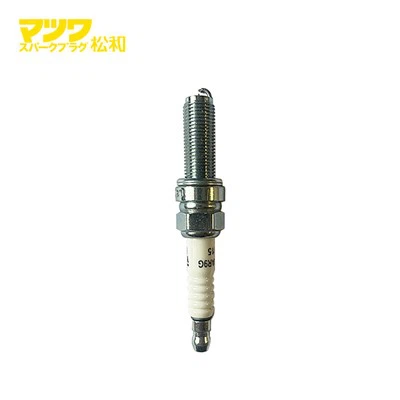
In the automotive and marine industries, spark plugs play a crucial role in the ignition process. They are responsible for creating the spark that ignites the air - fuel mixture in the engine cylinders, which in turn powers the vehicle or vessel. Among the various types of spark plugs available on the market, iridium and platinum spark plugs are two popular choices. As a leading spark plugs supplier, I often get asked by customers: "Are iridium spark plugs better than platinum?" In this blog, I will delve into the details of both types of spark plugs to help you make an informed decision.
Understanding the Basics of Platinum and Iridium Spark Plugs
Platinum spark plugs have been around for a long time. Platinum is a precious metal known for its high melting point and resistance to corrosion. In a platinum spark plug, a small platinum disc is welded to the center electrode. This design helps to reduce wear and tear on the electrode, which extends the lifespan of the spark plug compared to traditional copper - core spark plugs. Platinum spark plugs are commonly used in many modern vehicles because they offer a good balance between performance and cost.
On the other hand, iridium spark plugs are a more recent development. Iridium is an even harder and more durable precious metal than platinum. It has an extremely high melting point, which allows the center electrode of an iridium spark plug to be made very thin. A thinner electrode means a more concentrated and powerful spark, which can lead to better ignition efficiency.
Performance Comparison
Ignition Efficiency
One of the key factors in determining the performance of a spark plug is its ability to ignite the air - fuel mixture effectively. Iridium spark plugs have an edge in this regard. Due to the thin center electrode, the spark can be more precisely focused on the air - fuel mixture. This results in a more complete combustion process, which can lead to improved engine performance, better fuel efficiency, and lower emissions. For example, in high - performance engines, the enhanced ignition efficiency of iridium spark plugs can translate into quicker acceleration and smoother power delivery.
Platinum spark plugs, while still effective at igniting the air - fuel mixture, may not provide the same level of precision as iridium spark plugs. The slightly thicker center electrode can cause the spark to spread out a bit more, which may lead to a less efficient combustion process in some cases.
Durability
Durability is another important consideration. Platinum spark plugs are known for their long lifespan. The platinum disc on the center electrode resists wear and corrosion well, and they can typically last between 60,000 to 100,000 miles depending on the vehicle and driving conditions. This makes them a reliable choice for everyday driving.
Iridium spark plugs, however, take durability to the next level. The extreme hardness of iridium means that the center electrode can withstand high temperatures and the erosive effects of the combustion process for an even longer time. Many iridium spark plugs are rated to last up to 120,000 miles or more. This long lifespan can be a significant advantage, especially for those who don't want to worry about frequent spark plug replacements.
Heat Range and Compatibility
Heat Range
The heat range of a spark plug is an important factor that affects its performance. It refers to the ability of the spark plug to dissipate heat from the combustion chamber. Both iridium and platinum spark plugs are available in a variety of heat ranges to suit different engine types and operating conditions.
In general, both types of spark plugs can be selected to match the specific heat requirements of an engine. However, because of their different materials and designs, the heat transfer characteristics may vary slightly. It's important to choose the correct heat range for your engine to ensure optimal performance and prevent problems such as pre - ignition or fouling.
Compatibility
Most modern vehicles are designed to be compatible with both platinum and iridium spark plugs. However, some older vehicles or vehicles with specific engine requirements may be better suited to one type over the other. For example, older engines with lower compression ratios may not fully benefit from the advanced features of iridium spark plugs and may perform just as well with platinum spark plugs. On the other hand, high - performance or modern engines with advanced ignition systems are more likely to take advantage of the superior performance of iridium spark plugs.
Cost Consideration
Cost is often a deciding factor for many customers. Platinum spark plugs are generally more affordable than iridium spark plugs. This makes them a popular choice for budget - conscious consumers or those who don't require the highest level of performance. For example, in a standard commuter vehicle, the cost - to - performance ratio of platinum spark plugs may be more appealing.
Iridium spark plugs, due to the use of the more expensive iridium metal and the advanced manufacturing processes involved, are typically more expensive. However, when you consider their longer lifespan and potential for improved performance and fuel efficiency, the higher upfront cost may be offset over time.
Application in Different Industries
Automotive Industry
In the automotive industry, both iridium and platinum spark plugs are widely used. Automotive Spark Plugs are available in a variety of models to suit different makes and models of cars. For economy cars and daily drivers, platinum spark plugs are a popular choice because of their good performance and reasonable cost. High - end and performance vehicles, on the other hand, often come equipped with iridium spark plugs from the factory to take advantage of their superior performance characteristics.
Marine Industry
The marine environment presents unique challenges for spark plugs, such as exposure to saltwater and high humidity. Gasoline Marine Spark Plugs need to be highly durable and resistant to corrosion. Iridium spark plugs are often preferred in marine engines because of their excellent durability and performance. The enhanced ignition efficiency can also be beneficial in ensuring reliable engine starts in the often - harsh marine conditions.
Testing and Quality Assurance
As a spark plugs supplier, we understand the importance of quality and reliability. That's why we use High - voltage Insulation Testing Equipment to test our spark plugs. This equipment allows us to ensure that each spark plug meets the highest standards of performance and safety. Whether it's an iridium or platinum spark plug, we subject them to rigorous testing to ensure that they will perform well in real - world conditions.
Conclusion
So, are iridium spark plugs better than platinum? The answer depends on your specific needs and preferences. If you're looking for the highest level of performance, better fuel efficiency, and don't mind paying a bit more upfront, then iridium spark plugs are likely the better choice. They offer superior ignition efficiency and longer durability, which can be especially beneficial in high - performance engines or in applications where reliability is crucial, such as in the marine industry.
On the other hand, if you're on a budget and need a reliable spark plug for everyday driving, platinum spark plugs are a great option. They still offer good performance and a long lifespan, making them a popular choice for many vehicle owners.


As a trusted spark plugs supplier, we can help you choose the right spark plugs for your specific application. Whether you need automotive or marine spark plugs, we have a wide range of options available. If you're interested in learning more about our products or have any questions about spark plugs, please feel free to contact us for a detailed discussion. We're here to assist you in making the best choice for your engine.
References
- "Automotive Spark Plug Technology" - SAE International
- "The Science of Combustion in Internal Combustion Engines" - Cambridge University Press
- "Marine Engine Maintenance and Troubleshooting" - McGraw - Hill Education