Can I change the spark plugs in my automotive myself?
Changing the spark plugs in your automotive is a topic that often sparks curiosity among car owners. As a supplier of high - quality spark plugs for automotive, I've seen a wide range of customers, from those who are well - versed in car maintenance to complete novices. In this blog, I'll discuss whether you can change the spark plugs in your car on your own, the steps involved, and the benefits and risks of doing so.
Understanding Spark Plugs
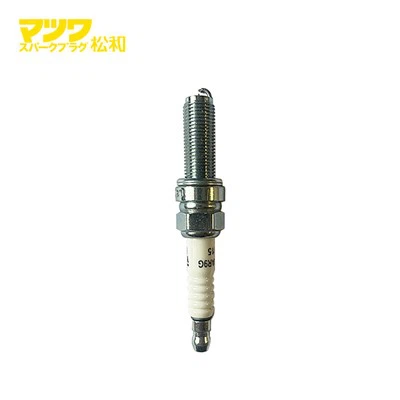
Before delving into the DIY aspect, it's crucial to understand what spark plugs are and their role in your vehicle. Spark plugs are essential components in a gasoline engine. Their primary function is to ignite the air - fuel mixture in the combustion chamber. A properly functioning spark plug ensures efficient engine performance, smooth idling, and good fuel economy.
There are different types of spark plugs available in the market, each with its own set of characteristics. For instance, Regarding Needle Spark Plugs are known for their enhanced ignition capabilities, which can lead to better engine power. Double Platinum Spark Plugs offer a longer lifespan and improved durability. And Spark Plugs For Vehicle are designed to meet the specific requirements of different car models.
Can You Change Spark Plugs Yourself?
The short answer is yes, you can change the spark plugs in your automotive yourself, provided you have the right tools and a basic understanding of car mechanics. Changing spark plugs is one of the more straightforward maintenance tasks you can perform on your vehicle. It doesn't require complex machinery or advanced technical knowledge.
However, there are a few factors to consider before you decide to take on this task. Firstly, you need to know the make and model of your car. Different vehicles have different engine layouts, and the location of the spark plugs can vary significantly. Some cars have easily accessible spark plugs, while others may require you to remove other components to reach them.
Secondly, you need to ensure that you have the correct spark plugs for your vehicle. Using the wrong type of spark plugs can lead to poor engine performance, misfires, and even damage to the engine. You can refer to your car's owner's manual to find out the recommended spark plug specifications.
Tools Required
To change the spark plugs, you'll need the following tools:
- Spark Plug Socket: This is a specialized socket designed to fit over the spark plug. It usually has a rubber insert to hold the spark plug securely.
- Ratchet and Extension: These are used to turn the spark plug socket and remove or install the spark plugs.
- Gap Tool: This tool is used to measure and adjust the gap between the electrodes of the spark plug. The correct gap is crucial for proper ignition.
- Dielectric Grease: This grease is applied to the spark plug boot to prevent moisture and corrosion.
Steps to Change Spark Plugs
Here are the general steps to change the spark plugs in your automotive:
- Prepare Your Vehicle: Park your car on a flat surface and let the engine cool down completely. This is important to avoid burns.
- Locate the Spark Plugs: Refer to your car's owner's manual to find the location of the spark plugs. In most cases, they are located on the top of the engine, but this can vary.
- Remove the Spark Plug Wires or Coil Packs: If your car has spark plug wires, carefully remove them one by one. Make sure to remember which wire goes to which spark plug. If your car has coil packs, use a socket to remove the bolts holding them in place and then disconnect the electrical connectors.
- Remove the Old Spark Plugs: Attach the spark plug socket to the ratchet and extension. Place the socket over the spark plug and turn it counter - clockwise to loosen and remove the spark plug.
- Check the Spark Plug Condition: Examine the old spark plug for signs of wear, such as excessive carbon buildup, cracked insulators, or worn electrodes. This can give you an indication of the overall health of your engine.
- Adjust the Gap: Use the gap tool to measure the gap between the electrodes of the new spark plug. If necessary, adjust the gap to match the specifications in your car's owner's manual.
- Install the New Spark Plugs: Carefully insert the new spark plug into the spark plug socket and place it into the spark plug hole. Turn the socket clockwise to tighten the spark plug. Be careful not to overtighten, as this can damage the threads in the engine block.
- Reconnect the Spark Plug Wires or Coil Packs: If you removed spark plug wires, reconnect them to the new spark plugs in the correct order. If you removed coil packs, reinstall them and reconnect the electrical connectors.
- Test Your Vehicle: Start the engine and listen for any unusual noises or vibrations. If everything sounds normal, take your car for a short test drive to ensure that the engine is running smoothly.
Benefits of Changing Spark Plugs Yourself
There are several benefits to changing the spark plugs yourself:


- Cost Savings: You can save money on labor costs by doing the job yourself. Spark plugs are relatively inexpensive, and the cost of the tools is a one - time investment.
- Learning Experience: Changing the spark plugs gives you a better understanding of how your car's engine works. It can also boost your confidence in performing other maintenance tasks in the future.
- Immediate Service: You don't have to wait for an appointment at a mechanic's shop. You can change the spark plugs at your own convenience.
Risks of Changing Spark Plugs Yourself
While changing the spark plugs yourself is generally a safe and straightforward task, there are some risks involved:
- Damage to the Engine: If you overtighten or cross - thread the spark plug, it can damage the threads in the engine block. This can be a costly repair.
- Misfires: If the spark plugs are not installed correctly or the gap is not adjusted properly, it can lead to misfires, which can cause poor engine performance and reduced fuel economy.
- Electrical Shock: If you're working on a car with coil packs, there is a risk of electrical shock if you're not careful.
Conclusion
Changing the spark plugs in your automotive is a task that you can undertake yourself if you have the right tools and knowledge. It can save you money, provide a learning experience, and allow you to maintain your vehicle at your own pace. However, it's important to be aware of the risks and take the necessary precautions.
If you're unsure about any aspect of changing the spark plugs, or if you encounter any difficulties during the process, it's always a good idea to consult a professional mechanic.
As a supplier of high - quality spark plugs for automotive, we are committed to providing you with the best products and support. If you're in the market for spark plugs or have any questions about them, we'd love to hear from you. Feel free to reach out to us for more information and to start a procurement discussion.
References
- "Automotive Engine Repair Manuals" - Various publishers
- Car Manufacturer's Owner's Manuals