Can a faulty truck spark plug damage the engine?
As a trusted supplier of truck spark plugs, I've encountered numerous inquiries from customers regarding the potential damage a faulty spark plug can inflict on a truck engine. In this blog post, I'll delve into the science behind spark plugs, explain how a faulty one can harm your engine, and provide insights on how to prevent such issues.
Understanding the Role of Spark Plugs in a Truck Engine
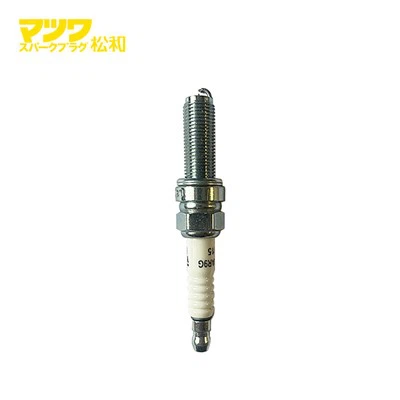
Before we discuss the potential damage caused by faulty spark plugs, it's essential to understand their role in a truck engine. Spark plugs are small but crucial components that generate the electrical spark needed to ignite the air-fuel mixture in the engine's combustion chamber. This ignition process is what powers the engine and allows the truck to move.
A well-functioning spark plug ensures that the air-fuel mixture is ignited at the right time and with the right intensity. This results in efficient combustion, which translates to better fuel economy, smoother engine operation, and reduced emissions. However, when a spark plug malfunctions, it can disrupt this delicate process and lead to a range of problems.
How a Faulty Truck Spark Plug Can Damage the Engine
There are several ways in which a faulty truck spark plug can damage the engine. Let's take a closer look at some of the most common issues:
1. Misfiring
One of the most obvious signs of a faulty spark plug is misfiring. Misfiring occurs when the spark plug fails to ignite the air-fuel mixture in the combustion chamber at the right time. This can happen due to a variety of reasons, such as a worn-out electrode, a clogged spark plug, or a weak spark.
When a misfire occurs, the unburned fuel can enter the exhaust system, where it can cause damage to the catalytic converter. The catalytic converter is responsible for reducing harmful emissions by converting toxic gases into less harmful substances. However, when unburned fuel enters the catalytic converter, it can overheat and damage the internal components, leading to costly repairs.
In addition to damaging the catalytic converter, misfiring can also cause the engine to run rough, reduce power and acceleration, and increase fuel consumption. Over time, repeated misfiring can cause further damage to the engine, such as worn piston rings, damaged valves, and even a cracked engine block.
2. Pre-ignition
Another potential problem caused by a faulty spark plug is pre-ignition. Pre-ignition occurs when the air-fuel mixture in the combustion chamber ignites before the spark plug fires. This can happen due to a variety of reasons, such as a hot spot in the combustion chamber, a high compression ratio, or a faulty spark plug.


When pre-ignition occurs, it can cause a sudden increase in pressure and temperature in the combustion chamber, which can lead to engine knocking. Engine knocking is a loud, metallic noise that can be heard when the engine is under load. If left untreated, engine knocking can cause serious damage to the engine, such as piston damage, rod bearing failure, and even a blown engine.
3. Carbon Deposits
A faulty spark plug can also cause carbon deposits to build up on the electrodes and in the combustion chamber. Carbon deposits are formed when the unburned fuel and oil in the combustion chamber burn at a low temperature, leaving behind a black, sooty residue.
Over time, carbon deposits can accumulate on the spark plug electrodes, reducing the spark plug's ability to generate a strong spark. This can lead to misfiring, reduced power and acceleration, and increased fuel consumption. In addition, carbon deposits can also cause the engine to run rough and emit more pollutants.
4. Overheating
Finally, a faulty spark plug can cause the engine to overheat. When a spark plug fails to ignite the air-fuel mixture properly, it can cause the engine to work harder to compensate for the loss of power. This can lead to increased heat generation, which can cause the engine to overheat.
Overheating can cause a range of problems, such as warped cylinder heads, blown head gaskets, and even a seized engine. In addition, overheating can also cause damage to other engine components, such as the radiator, water pump, and thermostat.
Preventing Engine Damage from Faulty Spark Plugs
Now that we've discussed how a faulty truck spark plug can damage the engine, let's take a look at some tips on how to prevent such issues:
1. Regular Maintenance
One of the most important things you can do to prevent engine damage from faulty spark plugs is to perform regular maintenance on your truck. This includes changing the spark plugs at the recommended intervals, which is typically every 30,000 to 100,000 miles, depending on the make and model of your truck.
In addition to changing the spark plugs, you should also have your truck's ignition system inspected regularly by a qualified mechanic. This includes checking the spark plug wires, ignition coils, and distributor cap for signs of wear and damage.
2. Use High-Quality Spark Plugs
Another important tip is to use high-quality spark plugs that are designed for your truck's engine. Using the wrong type of spark plug can cause a range of problems, such as misfiring, pre-ignition, and carbon deposits.
When choosing spark plugs for your truck, it's important to consider factors such as the heat range, electrode material, and design. The heat range refers to the ability of the spark plug to dissipate heat from the combustion chamber. Using a spark plug with the wrong heat range can cause the engine to overheat or misfire.
The electrode material also plays an important role in the performance of the spark plug. Platinum and iridium spark plugs are more durable and have a longer lifespan than traditional copper spark plugs. They also provide a stronger and more consistent spark, which can improve engine performance and fuel economy.
3. Pay Attention to Warning Signs
Finally, it's important to pay attention to warning signs that your spark plugs may be faulty. These include misfiring, rough idling, reduced power and acceleration, increased fuel consumption, and engine knocking. If you notice any of these symptoms, it's important to have your truck inspected by a qualified mechanic as soon as possible.
Conclusion
In conclusion, a faulty truck spark plug can cause a range of problems, from misfiring and pre-ignition to carbon deposits and overheating. These issues can not only reduce the performance and fuel economy of your truck but also cause serious damage to the engine.
To prevent engine damage from faulty spark plugs, it's important to perform regular maintenance on your truck, use high-quality spark plugs, and pay attention to warning signs. If you're in the market for new spark plugs for your truck, we at [Our Company] are here to help. We offer a wide range of Spark Plug for Automotive, including Spark Plug For Land Rover and Spark Plug For Buick, that are designed to provide reliable performance and long-lasting durability.
If you have any questions or would like to learn more about our products, please don't hesitate to contact us. We'll be happy to assist you with your spark plug needs and help you keep your truck running smoothly.
References
- "How Spark Plugs Work." HowStuffWorks. Accessed [Date].
- "The Importance of Spark Plug Maintenance." AutoZone. Accessed [Date].
- "Signs of a Faulty Spark Plug." YourMechanic. Accessed [Date].