Can Industrial Spark Plugs Improve Engine Performance?
As a seasoned supplier of industrial spark plugs, I've witnessed firsthand the transformative impact these small yet crucial components can have on engine performance. In this blog, we'll delve into the science behind industrial spark plugs and explore how they can enhance the efficiency, power, and longevity of engines across various industries.
The Basics of Spark Plugs
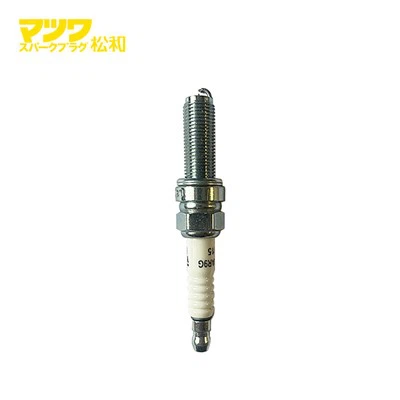
Before we discuss the benefits of industrial spark plugs, let's first understand their fundamental role in an engine. A spark plug is a device that generates an electric spark to ignite the air-fuel mixture in the combustion chamber of an internal combustion engine. This ignition process is what powers the engine and allows it to run.


Industrial spark plugs are designed to meet the specific demands of industrial engines, which often operate under more extreme conditions than automotive engines. These engines may run continuously for long periods, handle high loads, and operate in harsh environments. As a result, industrial spark plugs need to be more robust, reliable, and efficient than their automotive counterparts.
How Industrial Spark Plugs Improve Engine Performance
There are several ways in which industrial spark plugs can enhance engine performance:
- Efficient Combustion: A high-quality industrial spark plug can provide a more consistent and powerful spark, which leads to more efficient combustion of the air-fuel mixture. This means that more of the fuel is burned, resulting in increased power output and improved fuel efficiency. When the combustion process is efficient, the engine can operate more smoothly and produce less emissions.
- Reduced Misfires: Misfires occur when the spark plug fails to ignite the air-fuel mixture at the right time or fails to ignite it at all. This can lead to a loss of power, increased fuel consumption, and higher emissions. Industrial spark plugs are designed to minimize misfires by providing a strong and reliable spark. They are also built to withstand the high temperatures and pressures inside the combustion chamber, which helps to prevent premature wear and failure.
- Improved Durability: Industrial engines often operate under harsh conditions, such as high temperatures, high pressures, and exposure to contaminants. Industrial spark plugs are designed to be more durable and resistant to these conditions. They are made from high-quality materials and are engineered to withstand the rigors of industrial use. This means that they can last longer and require less frequent replacement, reducing maintenance costs and downtime.
- Enhanced Cold Starting: In cold weather, it can be more difficult for an engine to start because the fuel is thicker and the battery has less power. Industrial spark plugs can help to improve cold starting performance by providing a stronger spark at lower temperatures. This makes it easier for the engine to ignite the air-fuel mixture and start running.
Types of Industrial Spark Plugs
There are several types of industrial spark plugs available, each designed for specific applications and engine requirements. Some of the most common types include:
- Gas Engine Industry Spark Plugs: These spark plugs are designed for use in gas engines, such as those used in natural gas generators, compressors, and industrial vehicles. They are optimized for the unique combustion characteristics of gas engines and can provide improved performance and reliability.
- Heavy Duty Industry Spark Plugs: Heavy-duty spark plugs are designed for use in large, high-power engines, such as those found in trucks, buses, and construction equipment. They are built to withstand the high temperatures and pressures generated by these engines and can provide reliable performance under heavy loads.
- Spark Plugs Of Gas Generator Sets: Gas generator sets are used to generate electricity in a variety of applications, including industrial facilities, hospitals, and data centers. Spark plugs for gas generator sets are designed to provide consistent and reliable ignition, ensuring that the generator operates efficiently and smoothly.
Choosing the Right Industrial Spark Plug
Choosing the right industrial spark plug is essential for achieving optimal engine performance. Here are some factors to consider when selecting a spark plug:
- Engine Type and Application: Different engines have different requirements, so it's important to choose a spark plug that is specifically designed for your engine type and application. Consider factors such as the engine's compression ratio, fuel type, and operating conditions.
- Heat Range: The heat range of a spark plug refers to its ability to dissipate heat. It's important to choose a spark plug with the correct heat range for your engine. If the heat range is too hot, the spark plug may overheat and cause pre-ignition or engine damage. If the heat range is too cold, the spark plug may foul and cause misfires.
- Electrode Material: The electrode material of a spark plug can affect its performance and durability. Common electrode materials include copper, platinum, and iridium. Copper electrodes are the most affordable but have a shorter lifespan. Platinum and iridium electrodes are more expensive but offer better performance and longer durability.
Case Studies: Real-World Examples of Improved Engine Performance
To illustrate the impact of industrial spark plugs on engine performance, let's look at a few real-world case studies:
- Case Study 1: A Natural Gas Generator: A power generation company was experiencing frequent misfires and reduced power output in their natural gas generator. After replacing the old spark plugs with high-quality Gas Engine Industry Spark Plugs, they noticed a significant improvement in engine performance. The misfires were eliminated, the power output increased by 10%, and the fuel consumption decreased by 5%.
- Case Study 2: A Heavy-Duty Truck: A trucking company was facing high maintenance costs due to frequent spark plug replacements in their heavy-duty trucks. They switched to Heavy Duty Industry Spark Plugs and found that the spark plugs lasted twice as long as the previous ones. This reduced maintenance costs and downtime, resulting in significant savings for the company.
- Case Study 3: A Gas Generator Set: A data center was experiencing intermittent power outages due to spark plug failures in their gas generator set. After installing Spark Plugs Of Gas Generator Sets, the generator set operated more reliably, and the power outages were eliminated. This ensured uninterrupted power supply to the data center, preventing costly data loss and downtime.
Conclusion
In conclusion, industrial spark plugs can have a significant impact on engine performance. By providing efficient combustion, reducing misfires, improving durability, and enhancing cold starting, they can help engines operate more smoothly, produce more power, and consume less fuel. When choosing an industrial spark plug, it's important to consider the engine type, application, heat range, and electrode material.
As a supplier of industrial spark plugs, we are committed to providing our customers with high-quality products that meet their specific needs. If you're looking to improve the performance of your industrial engines, we invite you to contact us to discuss your requirements. Our team of experts can help you select the right spark plugs for your engines and provide you with the support and advice you need to ensure optimal performance.
References
- Heywood, J. B. (1988). Internal Combustion Engine Fundamentals. McGraw-Hill.
- Taylor, C. F. (1985). The Internal Combustion Engine in Theory and Practice. MIT Press.
- Bosch Automotive Handbook (7th ed.). (2007). Robert Bosch GmbH.