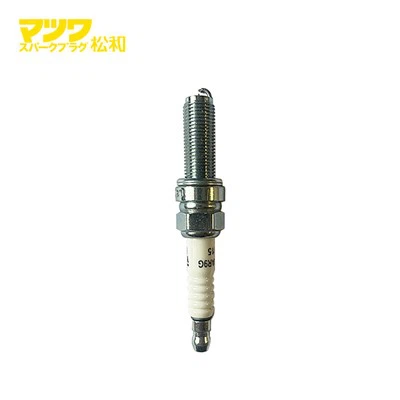
High - altitude areas present a unique set of challenges for various mechanical systems, and engine spark plugs are no exception. As a long - standing engine spark plugs supplier, I've witnessed firsthand how these critical components behave in such demanding environments. In this blog, we'll explore the performance of engine spark plugs in high - altitude areas, the factors that affect them, and how to ensure optimal operation.
Understanding High - Altitude Conditions
High - altitude areas are characterized by lower atmospheric pressure and thinner air. As elevation increases, the air density decreases significantly. For instance, at sea level, the air density is relatively high, providing a rich mixture of oxygen for combustion. But as you ascend to higher altitudes, say 5,000 feet or more, the amount of oxygen per unit volume of air drops substantially.
This decrease in air density has a direct impact on the engine's combustion process. The engine needs a precise ratio of air and fuel for efficient combustion. In high - altitude areas, with less oxygen available, the air - fuel mixture can become richer (more fuel relative to the amount of oxygen). This imbalance can lead to incomplete combustion, reduced power output, and increased fuel consumption.
The Role of Spark Plugs in High - Altitude Combustion
Spark plugs are responsible for igniting the air - fuel mixture in the engine's combustion chamber. A well - functioning spark plug creates a strong, consistent spark at the right time to initiate combustion. In high - altitude areas, the challenges faced by spark plugs are closely related to the changes in the air - fuel mixture and the lower air pressure.
The lower air pressure at high altitudes affects the way the spark is formed and propagates. The spark has to travel through a less dense medium, which can cause it to spread more easily. However, this also means that the spark may not be as concentrated or powerful as it needs to be to ignite the rich air - fuel mixture effectively.
Moreover, the rich air - fuel mixture can lead to fouling of the spark plugs. Unburned fuel can accumulate on the spark plug electrodes, reducing their ability to generate a strong spark. Over time, this fouling can cause misfires, rough idling, and a decrease in overall engine performance.
Performance Challenges Faced by Spark Plugs in High - Altitude Areas
Reduced Spark Energy
As mentioned earlier, the lower air pressure at high altitudes can cause the spark to spread out. This spreading reduces the energy density of the spark, making it less effective at igniting the air - fuel mixture. A weaker spark may result in incomplete combustion, which not only reduces engine power but also increases emissions.
Electrode Wear
The rich air - fuel mixture in high - altitude areas can accelerate electrode wear. The unburned fuel contains contaminants that can erode the spark plug electrodes over time. Additionally, the higher operating temperatures associated with incomplete combustion can also contribute to electrode wear. As the electrodes wear down, the spark gap increases, further reducing the spark's effectiveness.
Fouling
Fouling is a major issue for spark plugs in high - altitude areas. The rich air - fuel mixture can leave behind deposits on the spark plug electrodes and insulator. These deposits can act as insulators, preventing the spark from jumping across the gap. Fouled spark plugs can cause misfires, which can lead to a rough - running engine, reduced fuel efficiency, and increased emissions.


How Our Spark Plugs Address These Challenges
At our company, we understand the unique requirements of engines operating in high - altitude areas. That's why we've developed a range of spark plugs designed to perform optimally in these challenging conditions.
Enhanced Spark Energy
Our Spark Plugs For Vehicle are engineered to deliver a powerful, concentrated spark. We use advanced electrode materials and designs to ensure that the spark has enough energy to ignite the rich air - fuel mixture even at high altitudes. This results in more complete combustion, improved engine power, and reduced emissions.
Durable Electrodes
To combat electrode wear, we use high - quality materials in our spark plugs. Our Auto Gas Engine Iridium Spark Plugs feature iridium electrodes, which are extremely hard and resistant to wear. Iridium has a high melting point and excellent corrosion resistance, ensuring that the electrodes maintain their shape and performance over a long period of time.
Anti - Fouling Design
Our spark plugs are designed with anti - fouling features to prevent the buildup of deposits. The insulator materials and electrode shapes are carefully engineered to minimize the accumulation of unburned fuel and contaminants. This helps to keep the spark plugs clean and functioning properly, reducing the risk of misfires and improving overall engine performance.
Considerations for Different Types of Vehicles
Different types of vehicles have different requirements when it comes to spark plugs in high - altitude areas.
Passenger Cars
Passenger cars typically have smaller engines and are more sensitive to changes in air - fuel mixture and spark plug performance. Our Spark Plugs For Vehicle are designed to provide a smooth and efficient combustion process in these engines. They help to maintain power and fuel efficiency, even when driving in high - altitude areas.
Trucks
Trucks often have larger engines and are used for heavy - duty applications. The engines in trucks require a more powerful spark to ignite the larger volume of air - fuel mixture. Our Truck Spark Plugs are specifically designed to meet the demands of these engines. They offer high - energy sparks and durable electrodes to ensure reliable performance in high - altitude conditions.
Tips for Maintaining Spark Plugs in High - Altitude Areas
Proper maintenance is crucial for ensuring the long - term performance of spark plugs in high - altitude areas. Here are some tips:
- Regular Inspections: Check the spark plugs regularly for signs of fouling, wear, or damage. Replace them if necessary.
- Use the Right Spark Plugs: Make sure you're using spark plugs that are designed for high - altitude operation. Our products are specifically engineered to perform well in these conditions.
- Adjust the Air - Fuel Mixture: If possible, adjust the air - fuel mixture to compensate for the lower oxygen levels at high altitudes. This can help to ensure more complete combustion and reduce the risk of fouling.
- Keep the Engine Clean: A clean engine is less likely to produce contaminants that can foul the spark plugs. Regularly change the air filter and perform other maintenance tasks as recommended by the vehicle manufacturer.
Conclusion
In high - altitude areas, engine spark plugs face a unique set of challenges due to the lower air pressure and changes in the air - fuel mixture. However, with the right spark plugs and proper maintenance, these challenges can be overcome. As an experienced engine spark plugs supplier, we're committed to providing high - quality products that are designed to perform optimally in high - altitude conditions.
If you're looking for spark plugs that can deliver reliable performance in high - altitude areas, we invite you to explore our range of products. Whether you need Spark Plugs For Vehicle, Auto Gas Engine Iridium Spark Plugs, or Truck Spark Plugs, we have the right solution for you. Contact us today to discuss your specific requirements and start a procurement negotiation.
References
- Heywood, J. B. (1988). Internal Combustion Engine Fundamentals. McGraw - Hill.
- Taylor, C. F. (1985). The Internal Combustion Engine in Theory and Practice. MIT Press.