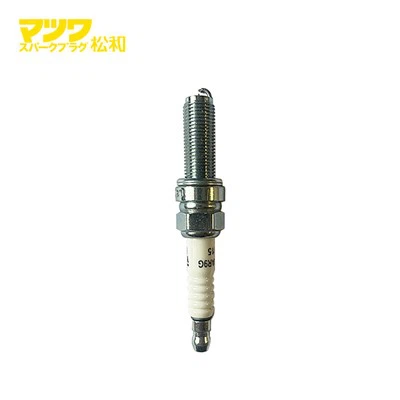
As a seasoned supplier of marine spark plugs, I often encounter a crucial question from boat owners and marine enthusiasts: Can marine spark plugs withstand water immersion? This query is not just a passing thought; it's fundamental to understanding the reliability and performance of marine engines. In this blog, I'll delve into the science behind marine spark plugs, their design features, and how they fare when faced with water.
Understanding Marine Spark Plugs
Before we discuss water immersion, let's understand what marine spark plugs are and how they differ from their automotive counterparts. Marine spark plugs are specifically engineered to operate in the harsh and unique environment of marine engines. These engines are exposed to high humidity, saltwater corrosion, and frequent temperature changes, all of which can take a toll on the performance of the spark plugs.
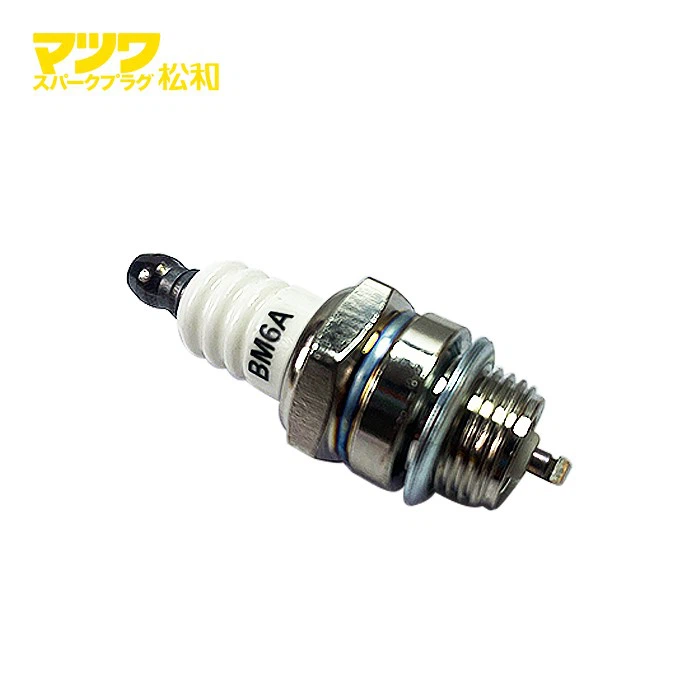

Marine engines come in two main types: gasoline and diesel. Each type requires a different kind of spark plug. You can explore our Gasoline Marine Spark Plugs and Diesel Marine Spark Plugs for more detailed information on the specific products that meet these needs.
Design Features for Water Resistance
One of the key design features of marine spark plugs is their enhanced water resistance. They are built with materials and coatings that help prevent water from interfering with the spark generation process. For example, the insulator on a marine spark plug is often made from a high-grade ceramic material that is highly resistant to moisture. This ceramic insulator not only protects the electrical current from being short-circuited by water but also helps maintain the proper heat range within the spark plug.
In addition to the insulator, the metal shell of the marine spark plug is designed to be corrosion-resistant. Most marine spark plugs use stainless steel or a special alloy that can withstand the corrosive effects of saltwater. This ensures that the spark plug remains in good condition even after prolonged exposure to the marine environment.
Performance Under Water Immersion
Now, let's address the main question: Can marine spark plugs withstand water immersion? The answer is both yes and no, and it depends on several factors.
In normal operation, marine spark plugs are designed to handle some degree of water exposure. For example, when a boat is moving through rough seas, water may splash onto the engine compartment, and the spark plugs need to be able to continue functioning properly. In these situations, the water-resistant design features of the spark plugs come into play, and they can typically withstand the occasional splash or spray without any issues.
However, complete and prolonged water immersion is a different story. If a marine spark plug is submerged in water for an extended period, it can lead to problems. Water can seep into the spark plug and cause a short circuit, preventing the spark from occurring. This can result in misfires, reduced engine performance, and even engine failure.
The length of time the spark plug is submerged is a crucial factor. A brief immersion, such as when a boat takes on a large wave and briefly floods the engine compartment, may not cause permanent damage if the water is quickly drained and the engine is allowed to dry. In this case, the spark plug may still be able to function once the water is removed.
On the other hand, if the spark plug is submerged for an extended period, say, if the boat sinks or the engine compartment remains flooded, the water can cause irreparable damage. The corrosion resistance of the spark plug's metal shell can only do so much, and prolonged exposure to water can lead to rust and corrosion that will ultimately affect the spark plug's performance.
Testing and Quality Assurance
At our company, we take the performance and reliability of our marine spark plugs very seriously. We conduct rigorous testing to ensure that our products can withstand the challenges of the marine environment. This includes simulated water immersion tests, where we expose the spark plugs to different levels of water for varying periods of time.
We also perform corrosion tests to evaluate the long-term durability of the spark plug's materials. By subjecting our spark plugs to saltwater spray for extended periods, we can assess how well they resist corrosion and ensure that they will maintain their performance over time.
Maintenance and Care
Even with their water-resistant design, marine spark plugs still require proper maintenance and care to ensure optimal performance. Here are some tips to keep your marine spark plugs in good condition:
- Regular Inspection: Check your spark plugs regularly for signs of wear, corrosion, or damage. Replace them if necessary according to the manufacturer's recommendations.
- Keep the Engine Compartment Dry: Make sure your boat's engine compartment is properly sealed and drained to prevent water from accumulating. If water does enter the engine compartment, dry it out as soon as possible.
- Use the Right Spark Plugs: Always use the spark plugs recommended for your specific marine engine. Using the wrong spark plugs can lead to poor performance and potential damage to the engine.
Conclusion
In conclusion, while marine spark plugs are designed to handle some degree of water exposure, complete and prolonged water immersion can pose a significant challenge. Their water-resistant design features, such as the high-grade ceramic insulator and corrosion-resistant metal shell, help them withstand the occasional splash or spray, but they are not immune to the effects of water.
As a marine spark plug supplier, we are committed to providing our customers with high-quality products that meet the demands of the marine environment. If you have any questions about our marine spark plugs or need assistance in choosing the right ones for your boat, please don't hesitate to reach out to us. We are here to help you ensure the reliable performance of your marine engine.
References
- "Marine Engine Maintenance Manual," Various Marine Engine Manufacturers
- "Spark Plug Technology and Performance," Industry Technical Publications