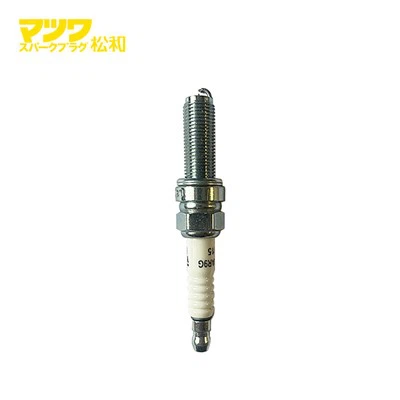
Hey there! As a supplier of Gasoline Marine Spark Plugs, I often get asked a bunch of questions about the stuff we deal with. One of the most common queries is whether gasoline marine spark plugs require a special ignition coil. So, I thought I'd take some time to chat about this topic and share what I know.
First off, let's understand what exactly gasoline marine spark plugs and ignition coils do. Gasoline marine spark plugs are crucial components in the ignition system of a marine engine. Their main job is to generate the spark that ignites the air - fuel mixture in the engine's combustion chamber. The ignition coil, on the other hand, plays the role of transforming the low - voltage power from the battery into the high - voltage power needed to create that spark.
Now, when it comes to whether gasoline marine spark plugs need a special ignition coil, the answer isn't a straightforward yes or no. There are several factors to consider.
Marine Environment Considerations
The marine environment is a whole different ballgame compared to regular land - based engines. Boats operate in highly corrosive conditions due to constant exposure to water, especially saltwater. This corrosion can quickly damage electrical components, including ignition coils. So, in a way, you might argue that you need an ignition coil that's specially designed to withstand these harsh conditions.
A standard automotive ignition coil might not be able to handle the level of moisture and salt that a marine engine is exposed to. Marine - specific ignition coils are usually built with better waterproofing and anti - corrosion features. They often have coatings or seals that prevent water and salt from seeping in and causing short - circuits or other damages. So, while technically a gasoline marine spark plug can work with a non - special ignition coil, in the long run, a specially - made coil can save you a lot of headaches and maintenance costs.
Engine Performance Requirements
Marine engines also have different performance requirements compared to land - based engines. Boats need to be able to operate at various speeds, from slow cruising to high - speed maneuvers. This means that the ignition system has to be able to provide consistent and reliable sparks across a wide range of engine speeds and loads.
Some high - performance marine engines demand a more powerful spark to ensure complete combustion of the air - fuel mixture. A regular ignition coil might not be able to generate the high - voltage pulses needed for these engines. In this case, a special ignition coil that's designed to produce a stronger and more consistent spark is necessary for optimal engine performance.
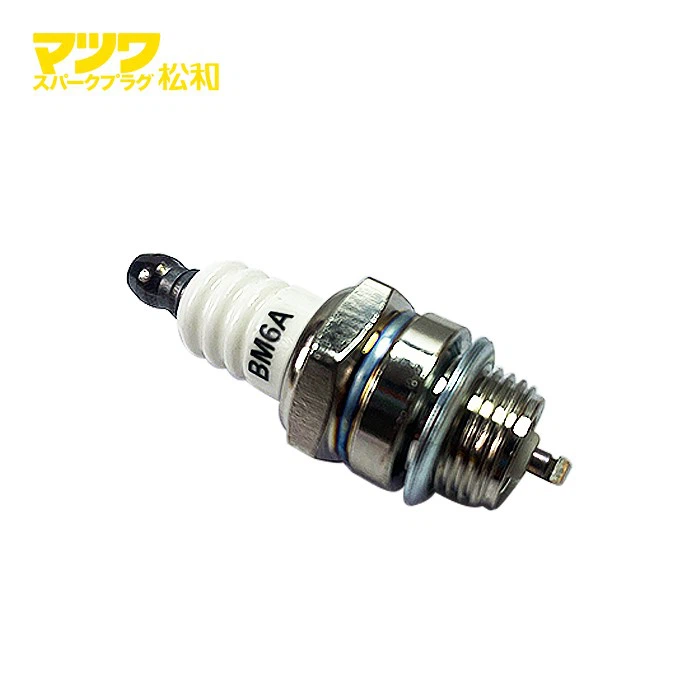

Let's say you have a high - end speedboat. You want to get the most out of your engine when you're doing those high - speed runs. A standard ignition coil might struggle to keep up, leading to misfires, reduced power, and lower fuel efficiency. But a specialized marine ignition coil can provide the extra oomph needed to keep your engine running smoothly and efficiently at all speeds.
Compatibility with Spark Plugs
Another aspect to think about is the compatibility between the spark plugs and the ignition coil. Gasoline marine spark plugs come in different designs, materials, and heat ranges. Each type of spark plug has its own ideal ignition voltage and current requirements.
For example, platinum or iridium - tipped spark plugs are known for their better durability and performance compared to traditional copper - core spark plugs. These advanced spark plugs often need a more precise and higher - voltage spark to function at their best. A special ignition coil can be tuned to match the specific needs of these high - performance spark plugs, ensuring that they deliver optimal ignition and combustion.
If you try to pair a high - performance gasoline marine spark plug with a regular, off - the - shelf ignition coil, you might not get the full benefits of the spark plug. The ignition might be inconsistent, leading to issues like rough idling, poor acceleration, and increased emissions.
On the flip side, Diesel Marine Spark Plugs are used in diesel engines, which work on a different principle altogether. Diesel engines rely on compression ignition rather than a spark to ignite the fuel. So, the whole concept of an ignition coil isn't really applicable to diesel marine engines. You can learn more about Diesel Marine Spark Plugs if you're interested in the diesel side of things.
Cost - Benefit Analysis
Of course, we can't talk about this without considering the cost. Special marine ignition coils are usually more expensive than regular automotive coils. But as I mentioned earlier, they offer enhanced durability and performance in the marine environment.
If you're a casual boat owner who only uses your boat a few times a year, and you have a relatively low - powered engine, you might be able to get away with a regular ignition coil. However, if you're a professional mariner or someone who uses their boat frequently and demands high - level performance from their engine, the investment in a special marine ignition coil is definitely worth it. Over time, the reduced maintenance costs and improved engine performance can more than make up for the initial higher price.
In Conclusion
So, to sum it all up, while gasoline marine spark plugs don't absolutely require a special ignition coil, in many cases, it's highly recommended. The unique challenges of the marine environment, the performance needs of marine engines, and the compatibility with advanced spark plugs all point towards the benefits of using a specialized ignition coil.
If you're in the market for gasoline marine spark plugs or are considering upgrading your ignition coil, feel free to reach out. We're here to help you find the right products for your specific needs. Whether you're looking for top - notch performance or just reliable and long - lasting components, we've got you covered. Don't hesitate to start a conversation with us about your requirements and let's see how we can make your boating experience even better.
References
- Handbook of Marine Engine Technology
- Marine Electrical Systems Manual
- Spark Plug and Ignition System Research Reports