Can new engine spark plugs reduce emissions?


In the automotive industry, reducing emissions is a crucial goal for both environmental protection and regulatory compliance. One often - overlooked component that can potentially play a role in this endeavor is the engine spark plug. As a supplier of high - quality engine spark plugs, I am frequently asked whether new spark plugs can indeed lower emissions. In this blog post, we'll explore the science behind spark plugs and their impact on engine emissions.
How Spark Plugs Work
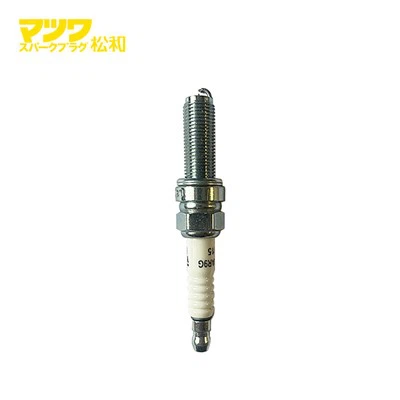
Before delving into the relationship between spark plugs and emissions, it's essential to understand how spark plugs function. A spark plug is a small but vital part of an internal combustion engine. Its primary role is to create an electric spark in the combustion chamber at the right moment. This spark ignites the air - fuel mixture, which then burns and releases energy to power the engine.
The process starts when the ignition system sends a high - voltage electrical current to the spark plug. The current jumps across the gap between the center electrode and the ground electrode, creating a spark. The quality and intensity of this spark are crucial for the efficient combustion of the air - fuel mixture.
The Link between Spark Plugs and Emissions
When a spark plug is in good condition, it can ensure a more complete combustion of the air - fuel mixture. In an ideal scenario, all of the fuel in the combustion chamber is burned, producing only carbon dioxide and water vapor. However, in reality, incomplete combustion often occurs. This is where old or faulty spark plugs come into play.
Old spark plugs may have worn electrodes, which can lead to a weaker or inconsistent spark. A weak spark may not be able to ignite the entire air - fuel mixture, resulting in unburned fuel. Unburned fuel is a major contributor to harmful emissions such as hydrocarbons (HC) and carbon monoxide (CO). Hydrocarbons are a group of chemicals that can react with nitrogen oxides in the presence of sunlight to form ground - level ozone, a major component of smog. Carbon monoxide is a poisonous gas that can reduce the amount of oxygen carried by the blood.
On the other hand, new spark plugs, especially those made from advanced materials, can provide a stronger and more consistent spark. This stronger spark can ignite the air - fuel mixture more effectively, leading to more complete combustion. As a result, fewer unburned hydrocarbons and carbon monoxide are produced, thus reducing emissions.
Types of Spark Plugs and Their Emission - Reducing Potential
There are several types of spark plugs available on the market, each with its own characteristics and potential to reduce emissions.
Iridium Spark Plugs
Iridium Spark Plugs are known for their durability and high - performance. Iridium is a very hard and corrosion - resistant metal. Spark plugs with iridium electrodes can maintain a sharp edge for a longer time compared to other types of spark plugs. This sharp edge allows for a more focused and intense spark, which can improve the ignition process and lead to more complete combustion. As a result, they can be very effective in reducing emissions.
Platinum Spark Plugs
Platinum Spark Plugs are another popular option. Platinum is also a highly resistant metal. These spark plugs have a longer lifespan than traditional copper spark plugs. The platinum electrode provides a more stable spark, which helps in achieving better combustion efficiency. By ensuring that more of the fuel is burned, platinum spark plugs can contribute to lower emissions.
Automotive Spark Plugs
Automotive Spark Plugs is a broad category that encompasses various types of spark plugs designed for different vehicles. Whether it's a passenger car, a truck, or a high - performance vehicle, choosing the right automotive spark plug can have a significant impact on emissions. Modern automotive spark plugs are engineered to meet the specific requirements of different engines, providing optimal ignition and combustion performance.
Scientific Evidence
Numerous studies have been conducted to evaluate the impact of spark plugs on emissions. A research project by a team of automotive engineers found that replacing old spark plugs with new, high - quality ones led to a noticeable reduction in hydrocarbon and carbon monoxide emissions. In some cases, the reduction in hydrocarbon emissions was up to 30%, and carbon monoxide emissions were reduced by up to 25%.
Another study focused on the long - term effects of using advanced spark plugs. It monitored the emissions of a fleet of vehicles over a period of several months. The results showed that vehicles equipped with new, advanced spark plugs maintained lower emission levels throughout the test period compared to those with old spark plugs.
Other Benefits of New Spark Plugs
Apart from reducing emissions, new spark plugs offer several other benefits. They can improve engine performance, resulting in better acceleration and smoother operation. A more efficient combustion process also means better fuel economy. When the air - fuel mixture is burned more completely, the engine can extract more energy from the fuel, reducing the amount of fuel needed to power the vehicle.
Factors Affecting the Emission - Reducing Ability of Spark Plugs
While new spark plugs have the potential to reduce emissions, several factors can affect their effectiveness.
Engine Condition
The overall condition of the engine plays a crucial role. If the engine has other problems, such as a malfunctioning fuel injection system or a clogged air filter, the benefits of new spark plugs may be limited. A well - maintained engine is more likely to take full advantage of the improved ignition provided by new spark plugs.
Driving Conditions
Driving conditions also matter. Frequent stop - and - go driving, for example, can put more stress on the spark plugs and may reduce their ability to maintain optimal performance. On the other hand, highway driving at a consistent speed allows for more stable combustion, and new spark plugs can perform better under these conditions.
Spark Plug Installation
Proper installation of spark plugs is essential. If the spark plugs are not installed correctly, they may not function as intended. Incorrect gap settings or improper tightening can lead to poor ignition and increased emissions.
Conclusion
In conclusion, new engine spark plugs can indeed reduce emissions. By providing a stronger and more consistent spark, they can improve the combustion process, leading to more complete burning of the air - fuel mixture and fewer harmful emissions. Whether it's iridium, platinum, or other types of automotive spark plugs, choosing the right one for your vehicle can make a significant difference.
As a supplier of engine spark plugs, we are committed to providing high - quality products that not only meet but exceed industry standards. Our spark plugs are designed to offer optimal performance, durability, and emission - reducing capabilities.
If you are interested in learning more about our spark plugs or would like to discuss a potential purchase, we invite you to reach out to us. We look forward to the opportunity to work with you and contribute to a cleaner, more efficient automotive future.
References
- "Impact of Spark Plug Technology on Vehicle Emissions" - Journal of Automotive Engineering
- "Long - Term Evaluation of Spark Plug Performance and Emission Reduction" - Automotive Research Institute
- "The Role of Spark Plugs in Combustion Efficiency and Emission Control" - International Journal of Automotive Technology