


Do marine spark plugs need to be torqued to a specific value? This is a question that often comes up among boat owners, mechanics, and those in the marine industry. As a supplier of marine spark plugs, I've encountered this query numerous times, and I'm here to provide a comprehensive answer.
The Importance of Torque in General
Torque is a measure of the force that can cause an object to rotate around an axis. In the context of marine spark plugs, proper torque is crucial for several reasons. When a spark plug is installed with the correct torque, it ensures a proper seal between the spark plug and the cylinder head. This seal is essential to prevent combustion gases from leaking out, which can lead to a loss of engine power, increased fuel consumption, and potential damage to the engine components.
If a spark plug is under - torqued, it may not form a tight seal. This can result in the escape of hot gases, which can cause the spark plug to overheat. Overheating can lead to pre - ignition, where the air - fuel mixture ignites before the spark plug fires. Pre - ignition can cause engine knocking, reduced performance, and long - term damage to the engine.

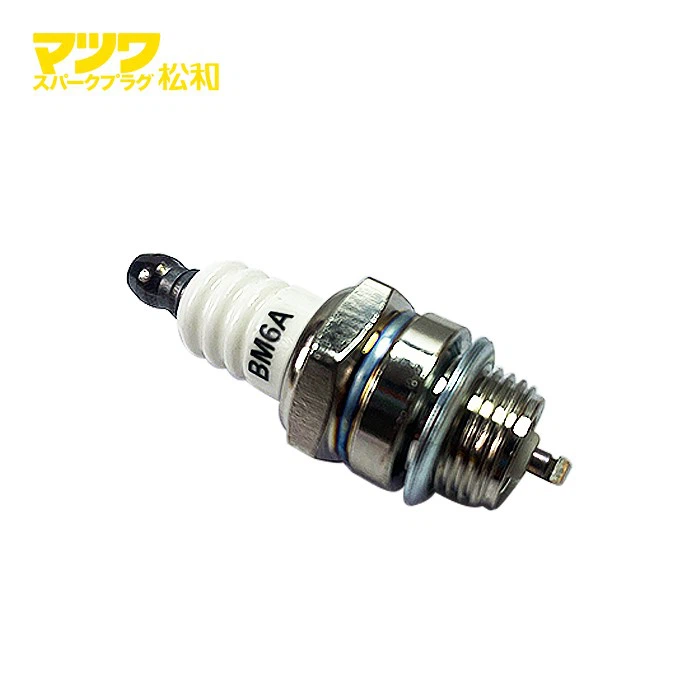
On the other hand, if a spark plug is over - torqued, it can cause damage to the threads in the cylinder head. Stripped threads can make it difficult or impossible to install a new spark plug correctly. Additionally, excessive torque can crack the ceramic insulator on the spark plug, leading to misfires and poor engine performance.
Torque Requirements for Marine Spark Plugs
Marine engines are subject to unique operating conditions compared to their automotive counterparts. They often operate at high loads for extended periods, are exposed to saltwater and humidity, and need to be reliable in a marine environment. As a result, the torque requirements for marine spark plugs are carefully specified by the engine manufacturers.
The specific torque value for a marine spark plug depends on several factors, including the size of the spark plug, the material of the cylinder head, and the design of the engine. For example, smaller spark plugs typically require less torque than larger ones. Aluminum cylinder heads may have different torque requirements compared to cast - iron cylinder heads because aluminum is a softer material.
Most marine spark plug manufacturers provide a torque specification in their installation instructions. These specifications are based on extensive testing to ensure optimal performance and reliability. It's important to follow these guidelines precisely to avoid the problems associated with under - or over - torquing.
How to Torque Marine Spark Plugs Correctly
To torque a marine spark plug correctly, you'll need a torque wrench. A torque wrench is a tool that allows you to apply a specific amount of torque to a fastener. Here's a step - by - step guide on how to torque a marine spark plug:
- Prepare the Spark Plug and Engine: Make sure the spark plug is clean and free of debris. Inspect the threads on the spark plug and in the cylinder head for any damage. If necessary, clean the threads with a wire brush.
- Hand - Tighten the Spark Plug: Carefully insert the spark plug into the cylinder head and hand - tighten it until it is snug. This helps to ensure that the spark plug is properly aligned with the threads in the cylinder head.
- Use the Torque Wrench: Set the torque wrench to the specified torque value for your marine spark plug. Slowly turn the torque wrench until you reach the desired torque. Be careful not to over - turn the wrench, as this can lead to over - torquing.
- Double - Check the Torque: After torquing the spark plug, double - check the torque value to ensure accuracy. This can help to prevent any potential issues caused by incorrect torque.
Types of Marine Spark Plugs and Their Torque Considerations
There are two main types of marine spark plugs: Diesel Marine Spark Plugs and Gasoline Marine Spark Plugs.
Diesel Marine Spark Plugs
Diesel engines operate differently from gasoline engines. They rely on compression ignition rather than a spark to ignite the air - fuel mixture. However, some diesel engines, especially those with glow plugs or pre - combustion chambers, may still use spark plugs for starting or auxiliary functions.
The torque requirements for diesel marine spark plugs are similar to those for gasoline spark plugs. However, diesel engines often have higher compression ratios, which means that the spark plugs need to be able to withstand greater pressure. Therefore, it's even more important to torque diesel marine spark plugs correctly to ensure a proper seal and prevent gas leakage.
Gasoline Marine Spark Plugs
Gasoline marine engines are more common in smaller boats and personal watercraft. These engines use spark plugs to ignite the air - fuel mixture in the cylinders. Gasoline marine spark plugs come in a variety of sizes and designs, each with its own specific torque requirements.
When choosing a gasoline marine spark plug, it's important to select one that is compatible with your engine's specifications. Using the wrong spark plug or torquing it incorrectly can lead to poor engine performance, reduced fuel efficiency, and potential engine damage.
Common Myths and Misconceptions
There are several myths and misconceptions about torquing marine spark plugs. One common myth is that you can "feel" when a spark plug is tightened correctly. While experienced mechanics may have a good sense of how tight a fastener should be, it's still important to use a torque wrench to ensure accuracy. The human hand is not a precise measuring tool, and relying on "feel" can lead to inconsistent torque values.
Another myth is that over - torquing a spark plug will make it more secure. As mentioned earlier, over - torquing can actually cause damage to the threads in the cylinder head and the spark plug itself. It's always better to follow the manufacturer's recommended torque specifications.
Conclusion
In conclusion, marine spark plugs do need to be torqued to a specific value. Proper torque is essential for ensuring a proper seal, preventing gas leakage, and maintaining optimal engine performance. Whether you're using Diesel Marine Spark Plugs or Gasoline Marine Spark Plugs, it's important to follow the torque specifications provided by the engine and spark plug manufacturers.
As a supplier of marine spark plugs, we understand the importance of providing high - quality products and accurate information to our customers. If you have any questions about torquing marine spark plugs or need assistance in choosing the right spark plug for your engine, please don't hesitate to contact us. We're here to help you ensure the reliability and performance of your marine engine.
References
- "Marine Engine Maintenance Manuals" - Various engine manufacturers
- "Spark Plug Installation Guides" - Marine spark plug manufacturers


