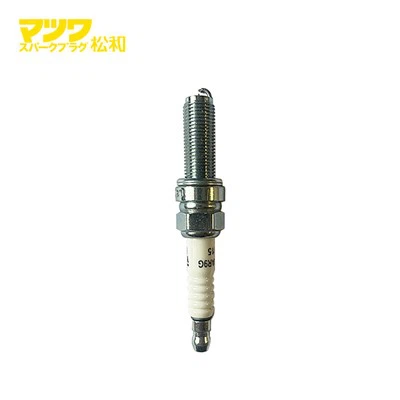
The heat range of a spark plug is a critical factor that significantly impacts engine performance and longevity. As a trusted supplier of Platinum Spark Plugs, we understand the importance of providing high - quality products with the right heat range for various applications. In this blog, we will delve into what the heat range of platinum spark plugs is, why it matters, and how to choose the appropriate heat range for your engine.
Understanding the Concept of Heat Range
The heat range of a spark plug refers to its ability to dissipate heat from the firing end of the plug to the engine's cooling system. It is not a measure of the temperature at which the spark plug operates, but rather an indication of how quickly it can transfer heat away from the combustion chamber. A spark plug with a high heat range is designed to run hotter, while one with a low heat range runs cooler.
The heat range is determined by several factors, including the length of the insulator nose, the material of the insulator, and the design of the spark plug body. A longer insulator nose means that the heat has to travel a greater distance before it can be transferred to the engine block, resulting in a higher heat range. Conversely, a shorter insulator nose allows for quicker heat transfer, leading to a lower heat range.
Why Heat Range is Important for Platinum Spark Plugs
Platinum spark plugs are known for their durability and long - lasting performance. However, if the heat range is not properly matched to the engine's requirements, it can lead to a variety of problems.
Pre - ignition and Detonation
If the spark plug runs too hot (i.e., the heat range is too high), it can cause pre - ignition. Pre - ignition occurs when the air - fuel mixture in the combustion chamber ignites before the spark plug fires. This can lead to a loss of power, increased engine wear, and even engine damage. Detonation, on the other hand, is a more severe form of abnormal combustion that can cause a knocking sound in the engine and result in significant damage if left untreated.
Fouling
A spark plug with a heat range that is too low may not reach a high enough temperature to burn off deposits on the electrodes. This can lead to fouling, where the spark plug becomes coated with carbon, oil, or other contaminants. Fouled spark plugs can cause misfires, rough idling, and reduced fuel efficiency.
Heat Range and Engine Performance
The right heat range for platinum spark plugs can optimize engine performance in several ways.


Efficient Combustion
When the spark plug operates at the correct temperature, it can ensure complete combustion of the air - fuel mixture in the combustion chamber. This leads to better power output, improved fuel efficiency, and reduced emissions.
Extended Spark Plug Life
Using a spark plug with the appropriate heat range can also extend its lifespan. A spark plug that runs too hot will experience accelerated wear on the electrodes, while a plug that runs too cold will be more prone to fouling. By choosing the right heat range, you can ensure that your platinum spark plugs last longer and perform consistently.
How to Choose the Right Heat Range for Your Engine
Selecting the correct heat range for your platinum spark plugs depends on several factors, including the type of engine, its operating conditions, and the vehicle's performance requirements.
Engine Type
Different types of engines have different heat requirements. For example, high - performance engines that operate at high RPMs and generate a lot of heat may require a spark plug with a lower heat range to prevent pre - ignition. On the other hand, engines that operate at lower RPMs and have a more relaxed driving style may benefit from a spark plug with a higher heat range.
Operating Conditions
The operating conditions of your vehicle also play a role in determining the appropriate heat range. If you frequently drive in stop - and - go traffic, your engine may run cooler, and a spark plug with a slightly higher heat range may be suitable. Conversely, if you do a lot of highway driving or towing, your engine will generate more heat, and a lower heat range spark plug may be necessary.
Manufacturer Recommendations
It is always a good idea to consult your vehicle's owner's manual or the spark plug manufacturer's recommendations. These sources will provide you with the specific heat range and spark plug model that is recommended for your engine.
Our Platinum Spark Plugs and Heat Range Options
As a leading supplier of Platinum Spark Plugs, we offer a wide range of products with different heat ranges to meet the diverse needs of our customers. Our platinum spark plugs are engineered to provide reliable performance and long - lasting durability.
We understand that every engine is unique, and we are committed to helping our customers find the right spark plug for their specific application. Whether you have a high - performance sports car or a daily commuter vehicle, we have the expertise and products to ensure that your engine runs smoothly and efficiently.
If you are interested in learning more about our Spark Plug for Automotive, Spark Plugs For Vehicle, or Double Iridium Spark Plugs, please do not hesitate to contact us. Our team of experts is ready to assist you in selecting the perfect spark plugs for your engine.
Conclusion
The heat range of platinum spark plugs is a crucial factor that affects engine performance, efficiency, and longevity. By understanding what heat range is, why it matters, and how to choose the right one for your engine, you can ensure that your vehicle runs at its best. As a trusted supplier of Platinum Spark Plugs, we are dedicated to providing high - quality products and expert advice to our customers. If you have any questions or need assistance in selecting the right spark plugs, please reach out to us. We look forward to helping you optimize your engine's performance.
References
- Bosch Spark Plug Technical Manual
- NGK Spark Plug Catalog
- Autolite Spark Plug Engineering Guide