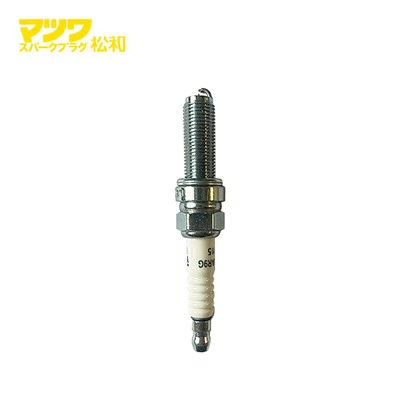
As a supplier of automotive spark plugs, I've witnessed firsthand the intricate relationship between high - octane fuels and spark plugs. In this blog, I'll delve into how high - octane fuels can impact automotive spark plugs, exploring both the positive and negative aspects.
Understanding High - Octane Fuels
High - octane fuels have a higher octane rating compared to regular fuels. The octane rating is a measure of a fuel's ability to resist "knocking" or "pinging" during combustion, caused by the air - fuel mixture detonating prematurely in the engine. In general, high - octane fuels are recommended for high - performance engines, which often have higher compression ratios. When an engine has a high compression ratio, the air - fuel mixture is compressed more tightly before ignition. Without a high - octane fuel, this compressed mixture could ignite spontaneously, leading to knocking, which can damage the engine over time.
Positive Effects of High - Octane Fuels on Spark Plugs
Cleaner Combustion
One of the significant benefits of high - octane fuels is that they tend to burn more cleanly. When the air - fuel mixture burns more completely, there is less carbon and other deposits left behind on the spark plugs. Carbon deposits on spark plugs can cause misfires, as they can create an alternative path for the electrical current, preventing the spark from occurring at the intended gap between the electrodes. With high - octane fuels, the spark plugs can maintain a cleaner surface, ensuring consistent spark generation and better engine performance. For example, in a high - performance sports car that uses high - octane fuel regularly, the spark plugs may stay cleaner for a longer period, reducing the frequency of spark plug replacements. You can find a wide range of Car Spark Plugs suitable for engines running on high - octane fuels on our website.
Improved Spark Plug Longevity
Since high - octane fuels result in cleaner combustion, the spark plugs are exposed to less wear and tear. The electrodes of the spark plugs are less likely to erode quickly, as there are fewer abrasive particles and corrosive by - products from the combustion process. This means that the spark plugs can last longer, providing a more cost - effective solution for vehicle owners in the long run. For instance, a luxury sedan that is designed to run on high - octane fuel may see its spark plugs last up to 50% longer compared to a similar vehicle running on regular fuel. Our Spark Plugs For Vehicle are engineered to take advantage of the benefits of high - octane fuels, offering extended service life.
Enhanced Ignition Performance
High - octane fuels can also enhance the ignition performance of spark plugs. The more consistent and complete combustion allows the spark plugs to create a stronger and more reliable spark. This is especially important in high - performance engines, where precise ignition timing is crucial for optimal power output. A stronger spark can ignite the air - fuel mixture more effectively, leading to better acceleration, smoother idling, and improved fuel efficiency. For example, in a turbocharged engine running on high - octane fuel, the spark plugs can help the engine achieve its maximum power potential by ensuring efficient combustion. If you own an Audi and are looking for spark plugs to work well with high - octane fuels, check out our Spark Plug For Audi.
Negative Effects of High - Octane Fuels on Spark Plugs
Over - Advanced Ignition
In some cases, using high - octane fuels in an engine that is not designed for them can lead to over - advanced ignition. High - octane fuels are more resistant to ignition, and if the engine's ignition timing is not adjusted properly, the spark may occur too early in the compression stroke. This can cause excessive stress on the spark plugs and other engine components. The early ignition can lead to higher combustion pressures, which can damage the spark plug electrodes and even cause the engine to overheat. For example, if a regular - performance engine that is calibrated for regular fuel is filled with high - octane fuel without any ignition timing adjustment, the spark plugs may experience premature wear and failure.
Higher Combustion Temperatures
High - octane fuels can sometimes result in higher combustion temperatures. While this can be beneficial in some high - performance engines that are designed to handle the heat, it can be a problem for spark plugs in engines that are not built for such extreme conditions. The high temperatures can cause the spark plug electrodes to melt or erode more quickly. Additionally, the increased heat can also lead to the formation of deposits on the spark plugs, although these deposits may be different from those formed by incomplete combustion with regular fuels. For instance, in an older engine with less advanced cooling systems, using high - octane fuel may cause the spark plugs to overheat and fail prematurely.
How to Mitigate the Negative Effects
Proper Engine Tuning
To avoid the negative effects of high - octane fuels on spark plugs, proper engine tuning is essential. This includes adjusting the ignition timing to match the characteristics of the high - octane fuel. A professional mechanic can use diagnostic tools to determine the optimal ignition timing for the engine when using high - octane fuel. By ensuring that the spark occurs at the right time in the combustion cycle, the stress on the spark plugs can be reduced, and the engine can operate more efficiently.
Choosing the Right Spark Plugs
Selecting the appropriate spark plugs for an engine running on high - octane fuel is crucial. Spark plugs with a higher heat range may be more suitable, as they can better withstand the higher combustion temperatures. These spark plugs are designed to transfer heat away from the electrodes more effectively, preventing overheating. As a spark plug supplier, we offer a variety of spark plugs with different heat ranges to meet the needs of various engines running on high - octane fuels.
Conclusion
High - octane fuels can have both positive and negative effects on automotive spark plugs. On one hand, they can lead to cleaner combustion, improved spark plug longevity, and enhanced ignition performance. On the other hand, they can cause over - advanced ignition and higher combustion temperatures if not used correctly. As a supplier of automotive spark plugs, we understand the importance of providing high - quality products that can work well with high - octane fuels. Whether you are a vehicle owner looking for the best spark plugs for your engine or a mechanic in need of reliable spark plug solutions, we are here to help. If you have any questions or are interested in purchasing our spark plugs, please feel free to contact us for a procurement discussion.


References
- Heywood, J. B. (1988). Internal Combustion Engine Fundamentals. McGraw - Hill.
- Taylor, C. F. (1985). The Internal Combustion Engine in Theory and Practice. MIT Press.