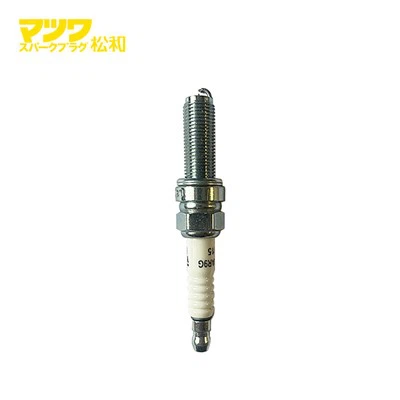
Carbon fouling on auto spark plugs is a common issue that can significantly impact the performance of your vehicle. As a supplier of high - quality auto spark plugs, I've seen firsthand how carbon deposits can lead to misfires, reduced fuel efficiency, and overall poor engine performance. In this blog, I'll share some effective methods to clean carbon - fouled auto spark plugs.
Understanding Carbon Fouling
Before we dive into the cleaning process, it's essential to understand what causes carbon fouling. Carbon deposits on spark plugs typically result from incomplete combustion in the engine. This can be due to a variety of factors, such as a rich fuel mixture, worn piston rings, or a malfunctioning ignition system. When the air - fuel mixture doesn't burn completely, carbon particles accumulate on the spark plug electrodes and insulator.
The presence of carbon on spark plugs can disrupt the electrical spark, leading to inconsistent firing. This, in turn, can cause the engine to run rough, misfire, and consume more fuel. Regular inspection and cleaning of spark plugs can help prevent these issues and extend the life of your engine.

Tools and Materials Needed
To clean carbon - fouled auto spark plugs, you'll need the following tools and materials:
- Socket wrench set: To remove the spark plugs from the engine.
- Wire brush: A small, stiff wire brush is ideal for removing carbon deposits from the electrodes and insulator.
- Spark plug cleaner solution: You can use a commercial spark plug cleaner or a mixture of baking soda and water.
- Compressed air: To blow away loose carbon particles after cleaning.
- Safety glasses and gloves: To protect your eyes and hands during the cleaning process.
Step - by - Step Cleaning Process
Step 1: Remove the Spark Plugs
First, make sure the engine is cool to avoid burns. Locate the spark plug wires or ignition coils and carefully remove them from the spark plugs. Use the appropriate socket wrench to loosen and remove the spark plugs from the engine. Be gentle to avoid damaging the threads in the cylinder head.
Step 2: Inspect the Spark Plugs
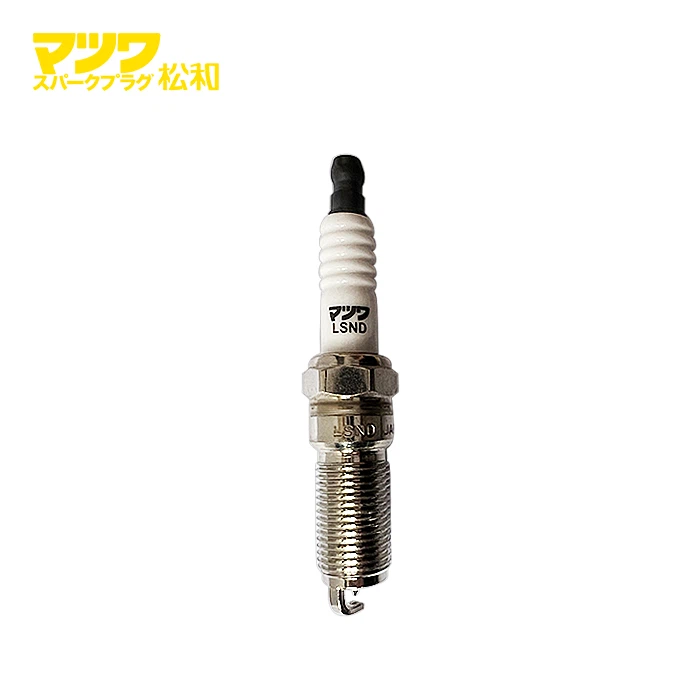
Before cleaning, take a close look at the spark plugs. Check for signs of excessive wear, such as eroded electrodes or cracked insulators. If a spark plug is severely damaged, it's best to replace it with a new one. You can find a wide range of Car Spark Plugs on our website to suit different vehicle models.
Step 3: Remove Loose Carbon
Use the wire brush to gently scrub the electrodes and insulator of the spark plug. This will help remove loose carbon deposits. Be careful not to apply too much pressure, as this can damage the delicate electrodes.
Step 4: Soak the Spark Plugs
Prepare the spark plug cleaner solution according to the manufacturer's instructions or mix a paste of baking soda and water. Submerge the spark plugs in the solution and let them soak for about 15 - 20 minutes. This will help loosen the stubborn carbon deposits.
Step 5: Scrub Again
After soaking, remove the spark plugs from the solution and use the wire brush to scrub them again. Pay special attention to the areas with thick carbon buildup. You may need to use a little more force, but still be cautious not to damage the spark plugs.
Step 6: Rinse and Dry
Rinse the spark plugs thoroughly with clean water to remove the cleaner solution and any remaining carbon particles. Then, use compressed air to blow dry the spark plugs. Make sure all the water is removed, as moisture can affect the performance of the spark plugs.
Step 7: Re - install the Spark Plugs
Once the spark plugs are dry, carefully reinstall them in the engine. Use the socket wrench to tighten the spark plugs to the recommended torque specification. Reconnect the spark plug wires or ignition coils.
Alternative Cleaning Methods
In addition to the traditional cleaning method described above, there are a few alternative ways to clean carbon - fouled spark plugs:
Sandblasting
Sandblasting can be an effective way to remove carbon deposits, but it requires specialized equipment. If you have access to a sandblaster, you can use it to blast the carbon off the spark plugs. However, be careful not to use too high a pressure, as this can damage the spark plugs.
Ultrasonic Cleaner
An ultrasonic cleaner uses high - frequency sound waves to create tiny bubbles in a cleaning solution. These bubbles implode, creating a scrubbing action that can remove carbon deposits from the spark plugs. Ultrasonic cleaners are available for purchase or can be rented from some auto parts stores.
Preventing Carbon Fouling
While cleaning carbon - fouled spark plugs can restore their performance, it's better to prevent carbon fouling in the first place. Here are some tips to help prevent carbon buildup on your spark plugs:
- Use high - quality fuel: Low - quality fuel can contain impurities that contribute to carbon fouling. Choose a reputable brand of fuel with the recommended octane rating for your vehicle.
- Maintain a proper air - fuel mixture: A properly tuned engine will ensure that the air - fuel mixture burns efficiently, reducing the likelihood of carbon deposits. Regularly check and adjust the fuel injection system or carburetor if necessary.
- Replace worn parts: Worn piston rings, valve seals, or ignition components can cause incomplete combustion and carbon fouling. Replace these parts as soon as you notice signs of wear.
- Drive your vehicle regularly: Short trips and stop - and - go driving can lead to carbon buildup. Try to take longer drives on a regular basis to allow the engine to reach its optimal operating temperature and burn off carbon deposits.
Conclusion
Cleaning carbon - fouled auto spark plugs is a relatively simple process that can save you money and improve the performance of your vehicle. By following the steps outlined in this blog, you can effectively remove carbon deposits and extend the life of your spark plugs.
If you're in the market for new spark plugs, we offer a wide selection of Spark Plug For Ford and Spark Plugs For Vehicle to meet your needs. Our spark plugs are made from high - quality materials and are designed to provide reliable performance.
If you have any questions about our products or need further assistance with spark plug maintenance, please don't hesitate to contact us for a procurement discussion. We're here to help you keep your vehicle running smoothly.
References
- "Automotive Technology: A Systems Approach" by James D. Halderman
- "How to Keep Your Car Alive: The Complete Step - by - Step Guide" by Paul Brand and Mark Smolinski