Hey there! If you're in the engine industry, you know how crucial it is to have top - notch engine performance. And that's where industrial spark plugs come into play. I'm an industrial spark plugs supplier, and I've seen firsthand how these little components can make a huge difference in an engine's operation.
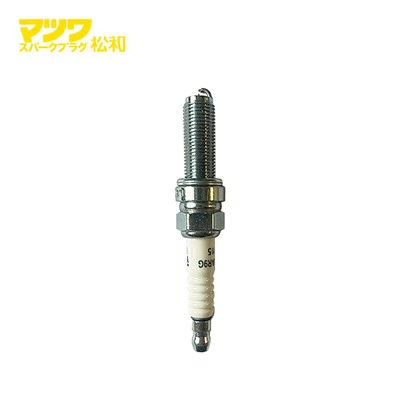
Let's start with the basics. What exactly is a spark plug? Well, it's a device that fits into the cylinder head of an engine. Its main job is to create a spark that ignites the air - fuel mixture inside the combustion chamber. This ignition process is what powers the engine, making it run. Sounds simple, right? But there's a lot more to it than meets the eye.
How Industrial Spark Plugs Work
Industrial spark plugs work by using an electrical current. When the engine's ignition system sends an electrical charge to the spark plug, it creates a high - voltage spark at the tip of the plug. This spark is hot enough to ignite the compressed air - fuel mixture in the cylinder.
The design of industrial spark plugs is pretty cool. They have a center electrode and a ground electrode. The electrical current jumps across the gap between these two electrodes, creating the spark. The size of this gap is super important. If it's too small, the spark might not be strong enough to ignite the mixture properly. If it's too large, the electrical current might not be able to jump the gap at all.


Improving Combustion Efficiency
One of the main ways industrial spark plugs improve engine performance is by enhancing combustion efficiency. When the spark plug creates a strong, consistent spark, it ensures that the air - fuel mixture burns completely. This means that more of the fuel is used to generate power, rather than being wasted.
Think about it like this. If you have a campfire and you use a good match to light it, the fire will burn brightly and steadily. But if you use a weak match, the fire might sputter and not burn as well. The same goes for an engine. A high - quality industrial spark plug acts like that good match, making sure the air - fuel mixture burns efficiently.
When combustion is more efficient, the engine can produce more power with the same amount of fuel. This leads to better fuel economy, which is a big deal, especially for industries that rely on engines for their operations. Whether it's a gas engine, a heavy - duty engine, or a diesel engine, improved combustion efficiency is a game - changer.
If you're interested in gas engines, you can check out our Gas Engine Industry Spark Plugs. These are specifically designed to optimize the combustion process in gas engines.
Reducing Emissions
Another great thing about industrial spark plugs is that they can help reduce emissions. When the air - fuel mixture burns completely, there are fewer unburned hydrocarbons and other pollutants released into the environment.
In today's world, environmental regulations are getting stricter. Industries need to find ways to reduce their carbon footprint. By using high - quality industrial spark plugs, they can make their engines more environmentally friendly.
For example, in heavy - duty industries, engines often run for long hours and consume a large amount of fuel. Using Heavy Duty Industry Spark Plugs can significantly reduce the emissions produced by these engines. This not only helps the environment but also keeps industries in compliance with regulations.
Enhancing Engine Reliability
Industrial spark plugs also play a big role in enhancing engine reliability. A good spark plug will last longer and provide consistent performance over time. This means fewer engine misfires and breakdowns.
Engine misfires can be a real pain. They can cause rough idling, reduced power, and even damage to other engine components. By using high - quality industrial spark plugs, you can minimize the risk of misfires.
These spark plugs are built to withstand the high temperatures and pressures inside the engine. They're made from durable materials that can resist wear and tear. So, you don't have to worry about replacing them too often, which saves both time and money.
Different Types for Different Engines
There are different types of industrial spark plugs for different types of engines. For diesel engines, the requirements are a bit different. Diesel engines rely on compression to ignite the fuel, but they still use spark plugs in some cases, especially in pre - combustion chambers.
Our Diesel Engine Industry Spark Plugs are designed to meet the unique needs of diesel engines. They provide the right amount of spark at the right time, ensuring smooth and efficient operation.
Heat Range and Its Importance
The heat range of an industrial spark plug is another important factor. The heat range refers to how well the spark plug can transfer heat away from the tip. If a spark plug runs too hot, it can cause pre - ignition, which is when the air - fuel mixture ignites before the spark plug fires. This can damage the engine.
On the other hand, if a spark plug runs too cold, carbon deposits can build up on the tip. These deposits can prevent the spark plug from creating a strong spark. So, it's crucial to choose a spark plug with the right heat range for your engine.
Choosing the Right Industrial Spark Plugs
When it comes to choosing the right industrial spark plugs, there are a few things to consider. First, you need to know the make and model of your engine. Different engines have different requirements, so it's important to get the right fit.
You also need to think about the operating conditions. If your engine runs in a high - temperature environment, you might need a spark plug with a higher heat range. If it runs in a low - temperature environment, a lower heat range might be better.
As an industrial spark plugs supplier, I can help you figure out the best spark plugs for your specific needs. Whether you're in the gas engine industry, heavy - duty industry, or diesel engine industry, we've got you covered.
Contact for Purchase and Consultation
If you're looking to improve your engine performance and are interested in our industrial spark plugs, don't hesitate to reach out. We're here to help you find the perfect spark plugs for your engines. Whether you have questions about the products, need advice on installation, or are ready to place an order, we're just a message away.
References
- Heywood, J. B. (1988). Internal Combustion Engine Fundamentals. McGraw - Hill.
- Taylor, C. F. (1985). The Internal Combustion Engine in Theory and Practice. MIT Press.