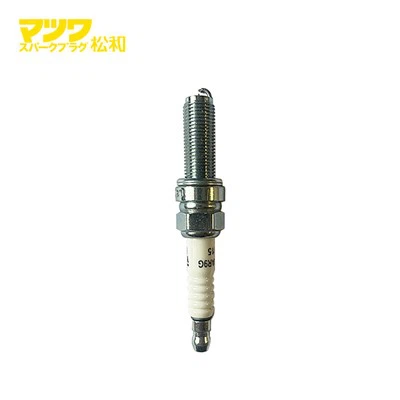
Cold weather presents a unique set of challenges for various industrial equipment, and industrial spark plugs are no exception. As a trusted supplier of industrial spark plugs, we've witnessed firsthand how these crucial components are affected by low temperatures and have developed solutions to ensure optimal performance. In this blog, we'll delve into the science behind how industrial spark plugs perform in cold weather, explore the challenges they face, and discuss the strategies we've employed to enhance their functionality.
The Science of Spark Plugs in Cold Weather
To understand how industrial spark plugs perform in cold weather, it's essential to grasp the basic principles of their operation. Spark plugs are responsible for igniting the air-fuel mixture in an engine's combustion chamber. When an electrical current passes through the spark plug, it creates a spark that ignites the mixture, generating the power needed to drive the engine.
In cold weather, the air density increases, and the fuel becomes thicker and less volatile. This combination makes it more difficult for the spark plug to create a strong enough spark to ignite the air-fuel mixture. Additionally, the cold temperatures can cause the electrical resistance in the spark plug to increase, reducing the efficiency of the spark and making it more challenging to start the engine.
Challenges Faced by Industrial Spark Plugs in Cold Weather
Difficulty Starting the Engine
One of the most common challenges faced by industrial spark plugs in cold weather is difficulty starting the engine. As mentioned earlier, the cold temperatures can make it more difficult for the spark plug to create a strong enough spark to ignite the air-fuel mixture. This can result in extended cranking times, multiple attempts to start the engine, or even a complete failure to start.
Reduced Fuel Efficiency
Cold weather can also lead to reduced fuel efficiency in industrial engines. When the engine is cold, it takes longer for the fuel to vaporize and mix with the air, resulting in incomplete combustion. This not only reduces the power output of the engine but also increases fuel consumption. Industrial spark plugs that are not designed to perform well in cold weather may exacerbate this problem by providing a weak or inconsistent spark, further reducing the efficiency of the combustion process.
Increased Wear and Tear
The harsh conditions of cold weather can also increase the wear and tear on industrial spark plugs. The repeated attempts to start the engine can put additional stress on the spark plug, causing it to wear out more quickly. Additionally, the cold temperatures can cause the metal components of the spark plug to contract, leading to increased friction and potential damage to the electrodes.
Strategies for Enhancing Spark Plug Performance in Cold Weather
Selecting the Right Spark Plug
One of the most effective ways to ensure optimal performance of industrial spark plugs in cold weather is to select the right type of spark plug for the application. Different spark plugs are designed to perform better in different conditions, and choosing a spark plug that is specifically designed for cold weather can make a significant difference in starting performance and overall engine efficiency.
For example, some spark plugs feature a colder heat range, which means they can dissipate heat more quickly. This is beneficial in cold weather because it helps prevent the spark plug from overheating and fouling, which can occur when the engine is running at a lower temperature. Other spark plugs may have a special electrode design or coating that improves their ability to create a strong spark in cold conditions.


As an industrial spark plug supplier, we offer a wide range of spark plugs suitable for cold weather applications. Our Spark Plugs Of Gas Generator Sets are designed to provide reliable ignition in gas generator sets, even in the coldest temperatures. Our Heavy Duty Industry Spark Plugs are built to withstand the rigors of heavy-duty industrial applications and offer excellent performance in cold weather. And our Gas Engine Industry Spark Plugs are optimized for use in gas engines, providing efficient ignition and reliable operation in all conditions.
Preheating the Engine
Another strategy for improving the performance of industrial spark plugs in cold weather is to preheat the engine. Preheating the engine can help warm up the air-fuel mixture, making it easier for the spark plug to ignite. There are several ways to preheat an engine, including using an engine block heater, a fuel heater, or an intake air heater.
An engine block heater is a device that is installed on the engine block and uses electricity to heat the engine coolant. This helps warm up the engine and makes it easier to start. A fuel heater is a device that is installed in the fuel line and uses electricity or engine heat to warm up the fuel. This can help improve the volatility of the fuel and make it easier to ignite. An intake air heater is a device that is installed in the intake manifold and uses electricity to heat the incoming air. This can help warm up the air-fuel mixture and improve the starting performance of the engine.
Maintaining the Spark Plugs
Proper maintenance of industrial spark plugs is essential for ensuring optimal performance in cold weather. This includes regularly inspecting the spark plugs for signs of wear and damage, cleaning them if necessary, and replacing them when they reach the end of their service life.
Inspecting the spark plugs involves checking the electrodes for wear, corrosion, or fouling. If the electrodes are worn or damaged, the spark plug may not be able to create a strong enough spark to ignite the air-fuel mixture. Cleaning the spark plugs can help remove any deposits or contaminants that may be affecting their performance. This can be done using a spark plug cleaner or a wire brush. Replacing the spark plugs when they reach the end of their service life is important to ensure reliable ignition and prevent engine problems.
Conclusion
Cold weather can pose significant challenges for industrial spark plugs, but with the right strategies and products, these challenges can be overcome. As an industrial spark plug supplier, we are committed to providing our customers with high-quality spark plugs that are designed to perform well in all conditions, including cold weather. By selecting the right spark plug, preheating the engine, and maintaining the spark plugs properly, you can ensure reliable ignition and optimal performance of your industrial equipment in cold weather.
If you're looking for industrial spark plugs that are designed to perform well in cold weather, we invite you to contact us to discuss your specific needs. Our team of experts can help you select the right spark plugs for your application and provide you with the support and guidance you need to ensure optimal performance. Don't let cold weather slow you down – contact us today to learn more about our industrial spark plugs and how they can help you keep your equipment running smoothly.
References
- Heywood, J. B. (1988). Internal Combustion Engine Fundamentals. McGraw-Hill.
- Taylor, C. F. (1985). The Internal Combustion Engine in Theory and Practice. MIT Press.
- SAE International. (2021). SAE Handbook. SAE International.