As a trusted supplier of Ceramic Testing Equipment, I understand the significance of ensuring the longevity and optimal performance of these valuable tools. Ceramic testing equipment is often sophisticated and expensive, and protecting it from damage is crucial for both the efficiency of testing processes and the overall cost - effectiveness of operations. In this blog, I'll share some practical strategies to safeguard your ceramic testing equipment.
Regular Cleaning and Maintenance
One of the most fundamental steps in protecting ceramic testing equipment is regular cleaning. Dust, debris, and residue from ceramic samples can accumulate on the equipment over time, which may interfere with its accuracy and functionality. For example, in a hardness testing machine, particles can get into the moving parts, causing abrasion and reducing the precision of the test results.
Establish a cleaning schedule based on the frequency of use. Use appropriate cleaning agents that are compatible with the materials of the equipment. For delicate sensors and electronic components, a soft, lint - free cloth and a mild cleaning solution are usually sufficient. Avoid using abrasive materials that could scratch or damage the surface of the equipment.
In addition to cleaning, routine maintenance is essential. This includes lubricating moving parts, checking for loose connections, and calibrating the equipment regularly. Calibration ensures that the equipment provides accurate and reliable test results. For instance, a thermal expansion testing device needs to be calibrated periodically to account for any changes in temperature measurement accuracy.

Proper Storage
When the ceramic testing equipment is not in use, proper storage is vital. Store the equipment in a clean, dry, and temperature - controlled environment. Extreme temperatures and humidity can cause damage to electronic components, corrode metal parts, and affect the integrity of ceramic fixtures.
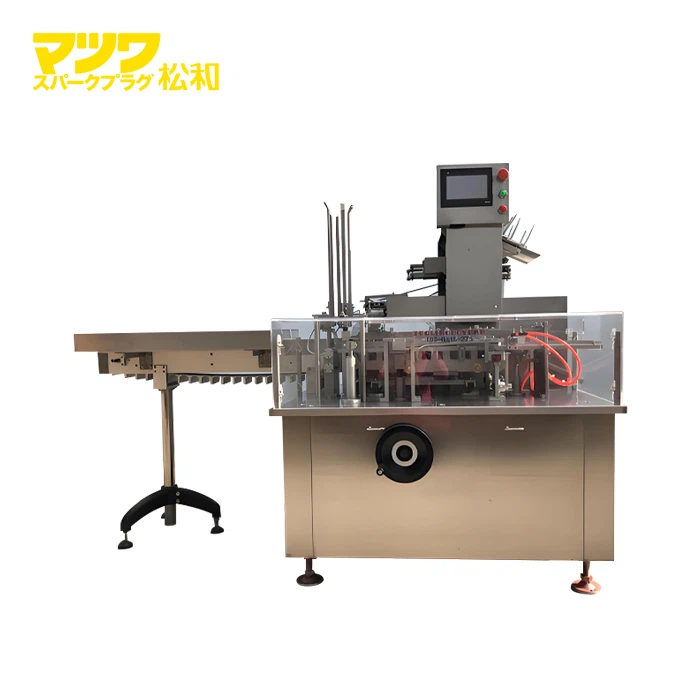
Use protective covers to shield the equipment from dust and accidental impacts. For large - scale equipment, such as Air Leakage Detection Equiment, custom - made covers can be designed to fit the specific shape and size of the machine. This not only protects the equipment but also extends its lifespan.
Operator Training
Well - trained operators are the first line of defense in protecting ceramic testing equipment. Provide comprehensive training to all personnel who will be using the equipment. Training should cover not only how to operate the equipment correctly but also how to identify potential problems and take preventive measures.
Operators should be aware of the equipment's limitations and follow the manufacturer's instructions carefully. For example, in a ceramic strength testing machine, overloading the sample beyond the recommended capacity can cause irreversible damage to the load cell and other components.
Regular refresher courses can be organized to keep operators updated on the latest operating procedures and safety guidelines. Encourage operators to report any unusual noises, vibrations, or malfunctions immediately so that prompt action can be taken.
Protection from Physical Damage
Ceramic testing equipment is often delicate and can be easily damaged by physical impacts. Install guards and barriers around the equipment to prevent accidental collisions. For example, in a laboratory setting, place the equipment in a dedicated area with clearly marked boundaries to avoid people bumping into it.
When moving the equipment, use proper lifting and handling techniques. For heavy equipment, use forklifts or hoists that are rated for the weight of the machine. Ensure that the equipment is securely fastened during transportation to prevent it from shifting and getting damaged.
Protection from Electrical Damage
Electrical issues can pose a significant threat to ceramic testing equipment. Install surge protectors to safeguard the equipment from power surges caused by lightning strikes or electrical grid fluctuations. A power surge can fry sensitive electronic components, rendering the equipment inoperable.
Regularly inspect the electrical cords and plugs for signs of wear or damage. Replace any frayed or damaged cords immediately. Additionally, ensure that the equipment is properly grounded to prevent electrical shocks and damage to the internal circuitry.
Environmental Protection
The environment in which the ceramic testing equipment operates can have a significant impact on its performance and durability. If the testing is carried out in an area with high levels of airborne contaminants, such as in a ceramic manufacturing plant, use air filtration systems to reduce the amount of dust and debris in the air.
In areas with high levels of moisture, dehumidifiers can be installed to maintain a suitable humidity level. Excessive moisture can cause corrosion of metal parts and the growth of mold on the equipment, which can affect its functionality.
Spare Parts Management
Maintaining an inventory of critical spare parts is a proactive way to protect ceramic testing equipment. In the event of a component failure, having the necessary spare parts on hand can minimize downtime. Work closely with the equipment manufacturer to identify the most commonly replaced parts and establish a spare parts management system.
Regularly review the spare parts inventory to ensure that the parts are in good condition and within their expiration dates. For example, some rubber seals and gaskets may degrade over time, so it's important to replace them before they cause leaks or other problems.
Monitoring and Predictive Maintenance
Implement a monitoring system to track the performance of the ceramic testing equipment. This can include sensors that measure parameters such as temperature, vibration, and power consumption. By analyzing the data collected from these sensors, it's possible to detect early signs of potential problems.
Predictive maintenance techniques can then be used to schedule maintenance activities before a breakdown occurs. For example, if the vibration levels of a motor in a testing machine start to increase gradually, it could indicate a problem with the bearings. By addressing the issue early, the risk of more severe damage and costly repairs can be reduced.
Collaboration with the Supplier
As a Ceramic Testing Equipment supplier, I'm committed to providing ongoing support to my customers. Establish a good relationship with your equipment supplier. They can offer valuable advice on equipment protection, maintenance, and troubleshooting.
The supplier can also provide software updates for the equipment, which may include improvements in functionality, accuracy, and security. Regularly communicate with the supplier about the performance of the equipment and any issues you encounter.
In conclusion, protecting ceramic testing equipment from damage requires a comprehensive approach that includes regular cleaning and maintenance, proper storage, operator training, and protection from physical, electrical, and environmental factors. By implementing these strategies, you can ensure the long - term reliability and performance of your equipment.
If you're interested in purchasing high - quality ceramic testing equipment or need more information on equipment protection, I invite you to contact me for a detailed discussion. We can explore how our products can meet your specific needs and how to best protect your investment.
References
- ASTM International. (Year). Standard practices for the maintenance and calibration of ceramic testing equipment. ASTM Publication.
- Ceramic Industry Association. (Year). Guidelines for the safe operation and protection of ceramic testing tools. Association Report.