Hey there, car enthusiasts! As a supplier of automotive spark plugs, I've seen firsthand how the electrical systems in modern cars can have a huge impact on these tiny but crucial components. In this blog, I'm gonna break down how these systems affect spark plugs and why it matters to you.
Let's start with the basics. A spark plug's job is simple yet super important: it creates a spark that ignites the air - fuel mixture in the engine's combustion chamber. This ignition is what gets your car moving. But for the spark plug to do its job effectively, it needs the right electrical input from the car's electrical system.
The Role of the Ignition Coil
One of the key parts of the electrical system is the ignition coil. Its main job is to take the low - voltage power from the car's battery (usually around 12 volts) and transform it into a high - voltage charge. This high - voltage charge is necessary to create a strong enough spark at the spark plug gap.
In modern cars, ignition coils have become more advanced. Many newer vehicles use coil - on - plug (COP) systems. In a COP system, each spark plug has its own dedicated ignition coil. This setup offers several benefits. For one, it provides a more consistent spark. Since each coil is directly connected to a spark plug, there's less chance of voltage loss that can occur in older systems with a single coil and a distributor.
But here's the thing. If the ignition coil isn't working properly, it can spell trouble for the spark plug. A weak or inconsistent output from the coil can lead to a weak spark. When the spark is weak, the air - fuel mixture might not ignite fully. This can cause misfires, which not only reduce engine performance but can also lead to increased fuel consumption and higher emissions. And over time, a weak spark can cause excessive wear on the spark plug electrodes. The electrodes might erode faster than normal, shortening the spark plug's lifespan.
The Electronic Control Unit (ECU)
Another major player in the electrical system is the Electronic Control Unit, or ECU for short. The ECU is like the brain of the car. It monitors a whole bunch of sensors throughout the vehicle, including those related to engine temperature, air intake, and throttle position. Based on the data it receives from these sensors, the ECU decides when to fire the spark plugs.
In modern cars, the ECU can adjust the ignition timing with incredible precision. For example, when you're accelerating hard, the ECU might advance the ignition timing to ensure that the air - fuel mixture is ignited at the optimal moment for maximum power. On the other hand, when you're cruising at a steady speed, it might retard the timing slightly to improve fuel efficiency.
However, if the ECU malfunctions, it can mess up the spark plug firing. If the ignition timing is off, the spark might occur too early or too late. An early spark can cause pre - ignition, where the air - fuel mixture ignites before the piston reaches the top of its compression stroke. This can lead to engine knocking and can damage both the engine and the spark plugs. A late spark, on the other hand, can result in incomplete combustion, which means unburned fuel is wasted and the engine doesn't perform as well.
Voltage and Current Fluctuations
Modern cars are filled with all sorts of electrical gadgets and gizmos, from power windows to advanced infotainment systems. These additional electrical loads can cause voltage and current fluctuations in the electrical system.
When there are sudden spikes or drops in voltage, it can affect the spark plugs. A voltage spike can create an overly strong spark, which might cause excessive wear on the spark plug electrodes. The intense heat generated by the strong spark can cause the electrodes to melt or erode more quickly. On the other hand, a voltage drop can result in a weak spark, leading to misfires and poor engine performance.
Impact on Different Types of Spark Plugs
Not all spark plugs are created equal. There are different types, such as copper, platinum, and iridium spark plugs. Each type reacts differently to the electrical conditions in modern cars.
Copper spark plugs are the most basic and are relatively inexpensive. They have good conductivity, but they also tend to wear out faster. The electrical fluctuations in modern cars can accelerate this wear. The strong and inconsistent sparks caused by issues in the electrical system can cause the copper electrodes to erode rapidly.
Platinum spark plugs are more durable than copper ones. Platinum is a harder metal, so it can withstand the heat and electrical stress better. However, if the electrical system has major problems, like a faulty ignition coil or a misbehaving ECU, even platinum spark plugs can be affected. The abnormal spark conditions can still cause premature wear on the platinum electrodes.
Iridium spark plugs are the top - of - the - line option. Iridium is extremely hard and has excellent heat resistance. It can handle high - voltage and high - temperature conditions better than copper or platinum. But even iridium spark plugs aren't completely immune to the effects of a malfunctioning electrical system. Severe voltage spikes or incorrect ignition timing can still lead to problems, although they're generally more resilient.

Choosing the Right Spark Plug for Your Car
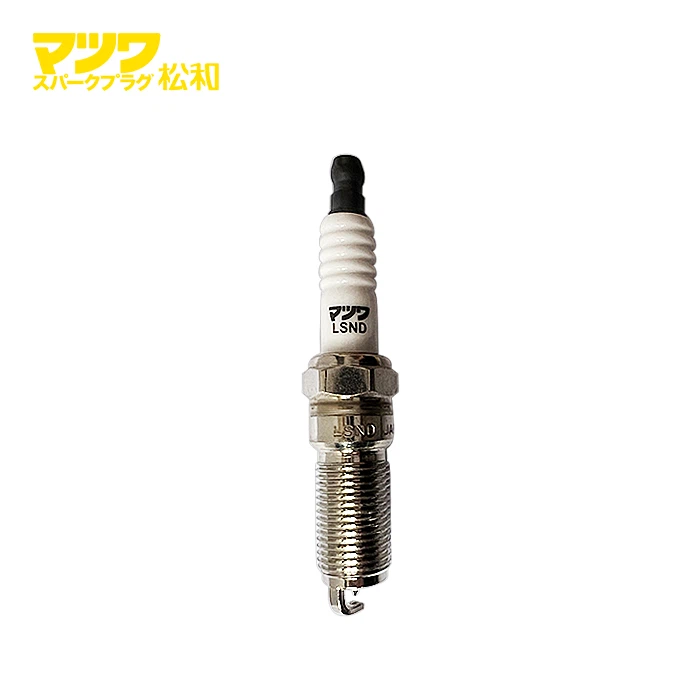
As an automotive spark plug supplier, I often get asked about which spark plug is the best for a particular car. Well, it depends on a few factors, including the make and model of your vehicle, its engine type, and the condition of its electrical system.
If you drive a Volkswagen, you might want to check out our Spark Plug For Volkswagen. These spark plugs are specifically designed to work well with Volkswagen's electrical systems and engines. Similarly, for Audi owners, our Spark Plug For Audi is a great option.
And if you're not sure which spark plug is right for your car, we have a wide range of Car Spark Plugs to choose from. Our team of experts can help you find the perfect fit based on your vehicle's needs.
Conclusion
The electrical systems in modern cars play a crucial role in the performance and lifespan of automotive spark plugs. From the ignition coil to the ECU, every component of the electrical system can either help the spark plugs do their job effectively or cause problems if it malfunctions.
As a car owner, it's important to keep an eye on your vehicle's electrical system. Regular maintenance and inspections can help catch any issues early on, which can save you from costly repairs down the road. And if you're in the market for new spark plugs, don't hesitate to reach out. We're here to provide you with high - quality spark plugs that are designed to work well with your car's electrical system. Whether you're looking for a replacement or an upgrade, we've got you covered. If you have any questions or want to start a procurement discussion, feel free to get in touch!
References
- Bosch Automotive Handbook, 8th Edition
- Chilton's Auto Repair Manuals
- Society of Automotive Engineers (SAE) Technical Papers