As a trusted supplier of industrial spark plugs, I've witnessed firsthand the pivotal role that insulator materials play in determining the performance of these critical components. Industrial spark plugs are the heart of many combustion engines, and their efficiency can significantly impact the overall operation of various industrial equipment. In this blog, we'll delve into how different insulator materials affect the performance of industrial spark plugs.
The Basics of Industrial Spark Plugs and Insulators
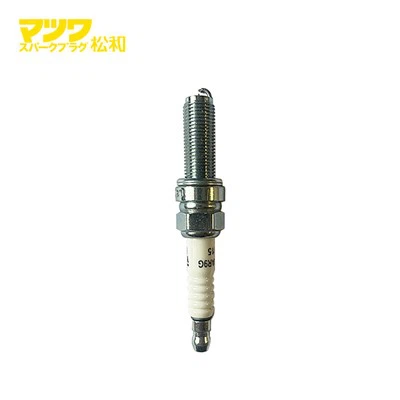
Before we explore the impact of insulator materials, let's briefly understand the function of an industrial spark plug. A spark plug is designed to create an electric spark in the combustion chamber of an engine, igniting the air - fuel mixture. The insulator is a key part of the spark plug, separating the central electrode from the outer shell and preventing electrical leakage. It must withstand high temperatures, mechanical stress, and electrical voltage.
Thermal Conductivity
One of the most important properties of an insulator material is its thermal conductivity. Different materials have different abilities to transfer heat. For example, alumina ceramic is a commonly used insulator material in industrial spark plugs. Alumina has relatively high thermal conductivity, which allows it to transfer heat away from the spark plug tip effectively. This is crucial because if the spark plug tip gets too hot, it can cause pre - ignition, where the air - fuel mixture ignites before the spark is generated. Pre - ignition can lead to engine knocking, reduced power output, and even engine damage.
On the other hand, some materials with lower thermal conductivity may cause the spark plug tip to retain more heat. While this might seem beneficial in cold - start situations, it can be a problem during normal operation. Overheating can cause the electrodes to erode more quickly, shortening the lifespan of the spark plug. For industrial applications where engines run continuously for long periods, a material with appropriate thermal conductivity, like alumina, is essential to maintain stable performance.
Electrical Insulation
Electrical insulation is another vital aspect. The insulator must prevent the electrical current from leaking from the central electrode to the outer shell. Any electrical leakage can result in a weak or inconsistent spark, leading to incomplete combustion of the air - fuel mixture. This not only reduces the engine's efficiency but also increases emissions.
Materials such as porcelain were once commonly used as insulators. However, porcelain has some limitations in terms of electrical insulation compared to modern materials like alumina ceramic. Alumina offers excellent electrical insulation properties, even at high temperatures and under high - voltage conditions. This ensures that the spark is generated precisely at the spark gap, providing reliable ignition in industrial engines.
Mechanical Strength
Industrial engines often operate under harsh conditions, including high vibrations and mechanical stress. The insulator material needs to have sufficient mechanical strength to withstand these forces without cracking or breaking. A cracked insulator can lead to electrical short - circuits and render the spark plug useless.
Alumina ceramic is known for its high mechanical strength. It can withstand the vibrations and mechanical shocks associated with industrial engine operation. This durability is essential for industrial spark plugs, as they are often used in heavy - duty applications such as gas generator sets. For more information on spark plugs for gas generator sets, you can visit Spark Plugs Of Gas Generator Sets.
Chemical Resistance
The combustion process in industrial engines produces various chemicals and by - products. The insulator material must be chemically resistant to these substances to avoid degradation. For example, sulfur compounds in the fuel can react with some materials, causing corrosion and reducing the insulator's performance over time.
Alumina ceramic has good chemical resistance, making it suitable for use in industrial spark plugs. It can withstand the corrosive effects of the combustion by - products, ensuring a longer lifespan for the spark plug. This is especially important in heavy - duty industry applications where engines are exposed to a wide range of fuels and operating conditions. To learn more about heavy - duty industry spark plugs, click on Heavy Duty Industry Spark Plugs.
Impact on Different Types of Industrial Spark Plugs
Prechamber Spark Plugs
Prechamber spark plugs are used in some industrial engines to improve combustion efficiency. The insulator material in prechamber spark plugs needs to be able to withstand the unique conditions inside the prechamber. The prechamber experiences higher pressures and temperatures compared to a regular combustion chamber.
A high - quality insulator material like alumina can ensure that the prechamber spark plug operates reliably. It can transfer heat effectively, maintain electrical insulation, and withstand the mechanical and chemical stresses. For more details on prechamber spark plugs, visit Prechamber Spark Plug.
Conclusion
In conclusion, the insulator material has a profound impact on the performance of industrial spark plugs. From thermal conductivity and electrical insulation to mechanical strength and chemical resistance, each property of the insulator material plays a crucial role in determining the spark plug's efficiency, reliability, and lifespan. As an industrial spark plug supplier, we understand the importance of using the right insulator material to meet the diverse needs of our customers.


If you're in the market for high - quality industrial spark plugs, we invite you to contact us for a detailed discussion on your specific requirements. Our team of experts is ready to assist you in selecting the most suitable spark plugs for your industrial applications.
References
- Heywood, J. B. (1988). Internal Combustion Engine Fundamentals. McGraw - Hill.
- Taylor, C. F. (1985). The Internal Combustion Engine in Theory and Practice. MIT Press.